FG Moves To Professionalise Caregiving, Expand Protection For Women, Children
By Maryam Aminu
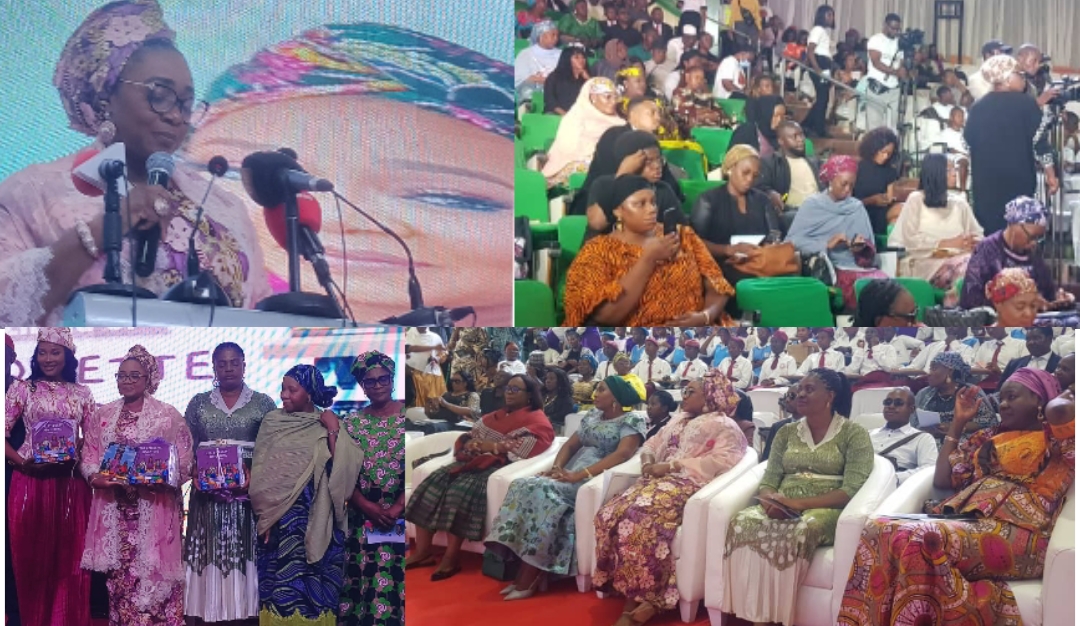
Behind every successful child, thriving family, and stable society are caregivers whose sacrifices often go unseen, uncelebrated, and unsupported. On Monday in Abuja, the Federal Government brought those silent pillars of society to the forefront, unveiling plans to professionalise caregiving and strengthen social protection systems across Nigeria.
Speaking at the 2026 National Caregivers Summit held at the Maryam Babangida National Centre for Women Development to commemorate the 2026 National Children’s Day, the Minister of Women Affairs and Social Development, Imaan Sulaiman-Ibrahim, said the Tinubu administration is repositioning caregiving from an invisible domestic responsibility to a recognised professional sector critical to national development.
The summit, themed “Future Now: Promoting Inclusion for Every Nigerian Child,” brought together development partners, caregivers, policymakers, and stakeholders to discuss the future of Nigeria’s care economy and child protection systems.
The Minister described caregiving as one of the most fundamental pillars of nation-building, stressing that sustainable economic growth cannot thrive without deliberate investments in families, children, and vulnerable citizens.
She said President Bola Ahmed Tinubu’s Renewed Hope Agenda had shifted governance toward people-centred development through initiatives such as the Renewed Hope Social Impact Intervention Programme aimed at strengthening social protection and economic safety nets across the 774 local government areas of the country.
According to her, the declaration of 2026 as the “Year of Families and Social Development” reflects government’s recognition of the family as the first foundation of values, security, and economic stability.
The Minister disclosed that her Ministry has intensified efforts toward full domestication and enforcement of the Child Rights Act and the Violence Against Persons Prohibition Act to ensure stronger protection for women and children at the grassroots.
She further revealed that the government is implementing national action plans to combat violence against children, child marriage, and exploitation of women and girls, while also leveraging digital data infrastructure to track educational gaps and vulnerabilities among children nationwide.
Highlighting the growing pressure on Nigeria’s social support structures, the Minister noted that the country currently has more than 6.5 million citizens aged 65 and above, alongside a rapidly expanding youth population.
She expressed concern over statistics showing that nearly 30 per cent of Nigerian women between ages 15 and 49 have experienced physical or sexual violence, while one in three girls is married before the age of 18.
According to her, women and adolescent girls continue to bear the overwhelming burden of unpaid caregiving responsibilities, often sacrificing education, career advancement, and economic opportunities.
“It is against this backdrop that the National Caregivers Summit emerges as a strategic national response,” she stated.
The Minister announced plans to scale up nationwide caregiving training and certification programmes in partnership with the Caregiver Nigeria Society and other stakeholders to equip Nigerian youths with globally relevant skills in childcare, geriatric care, special needs support, and community caregiving services.
She explained that formalising the care sector would not only create sustainable employment opportunities but also enable more women to participate actively in the economy.
She also disclosed that the Federal Government, in collaboration with the World Bank through the AGILE Project, is expanding educational access and digital literacy opportunities for over 8.6 million girls across 18 states.
The Ministry, she added, is establishing dedicated institutional departments for the Care Economy as well as Women’s Climate Resilience and Adaptation in collaboration with relevant ministries and agencies.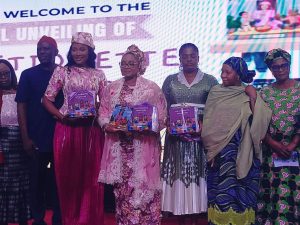
In a goodwill message, the UN Women Country Representative to Nigeria and ECOWAS, Beatrice Eyong, commended the Federal Government for elevating conversations around the care economy.
She described the initiative as timely and impactful, noting that women require functional care and support systems to succeed in leadership, politics, and economic participation.
Eyong said many women are forced to balance demanding work schedules with childcare responsibilities without adequate institutional support, a situation she described as unfair and burdensome.
She reaffirmed the support of UN Women for the initiative, pledging technical support, innovation, and collaboration toward building a more inclusive and supportive society for women, families, caregivers, and children.
The summit also featured advocacy presentations by students who called for the inclusion of etiquette education in Nigeria’s school curriculum, describing it as a critical tool for character building, responsible citizenship, and national development. The students argued that teaching values such as respect, discipline, empathy, communication, and social responsibility from an early age would help nurture a more responsible and inclusive society.
.