EU, UNODC, ECOWAS Back Nigeria’s 2026–2030 Drug Control Plan. Commend NDLEA for Commitment
Oru Leonard
International partners including the European Union (EU), the United Nations Office on Drugs and Crime (UNODC), and the Economic Community of West African States (ECOWAS) have reaffirmed their commitment to supporting Nigeria’s fight against substance abuse and illicit drug trafficking over the next five years.
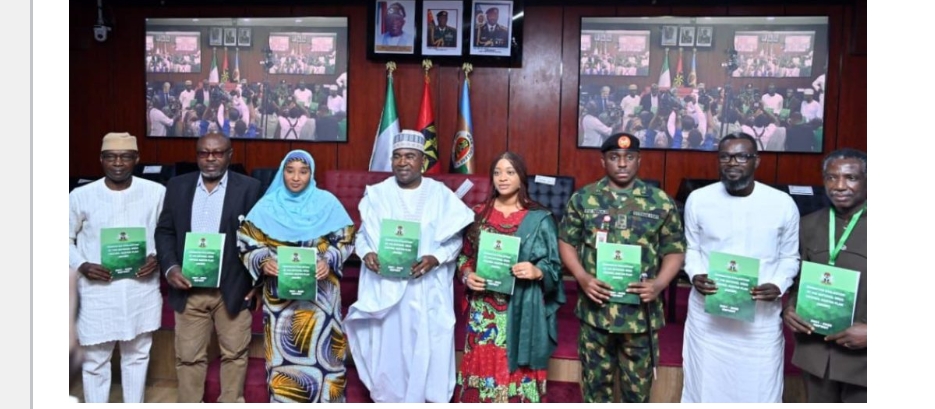
The assurances were given during the opening of a two-day National Drug Control Master Plan (NDCMP) Consultative Forum organised by the National Drug Law Enforcement Agency in Abuja on Monday.
Speaking at the event, Deputy Head of the EU Delegation to Nigeria and ECOWAS, Mr. Zissimos Vergos, said the European Union was prepared to strengthen collaboration with Nigeria in addressing transnational drug trafficking and substance abuse challenges.
According to him, drug trafficking remains a global problem that requires coordinated international action, stressing that the security of Nigeria and Europe are closely connected.
He noted that the EU had also updated its own drug strategy and action plan with stronger emphasis on international cooperation, adding that the union remains committed to partnering with Nigeria in transforming the new master plan into measurable progress.
Vergos commended the leadership and personnel of the NDLEA for their dedication and commitment to combating drug-related crimes.
Also speaking, UNODC Country Representative, Mr. Chiekh Ousmane Touré, warned that the global drug landscape was rapidly changing due to the rise of synthetic drugs, increasingly sophisticated trafficking networks, and the growing use of technology to expand illicit markets.
He said Nigeria sits at the centre of these emerging threats, making it imperative for the country to develop a comprehensive, data-driven, and adaptable strategy.
Touré assured that the UNODC would continue to support Nigeria through technical assistance, institutional strengthening, prevention programmes, treatment initiatives, and enhanced international cooperation.
Chairman/Chief Executive Officer of the NDLEA, Mohamed Buba Marwa, warned against complacency despite the successes recorded in the past five years.
Marwa cited projections by the UNODC indicating a possible 40 per cent increase in drug use across Africa by 2030, while reports from the Global Initiative Against Transnational Organized Crime identified West Africa as a major cocaine trafficking corridor between Latin America and Europe.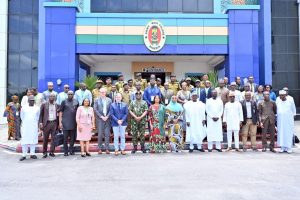
He said Nigeria’s drug environment was becoming more complex due to the rise in synthetic substances, prescription drug abuse, poly-drug use, new psychoactive substances, and the increasing digitalisation of the drug trade through encrypted platforms and dark-web operations.
According to him, the proposed 2026–2030 NDCMP introduces new strategic pillars, including Alternative Development and Sustainable Livelihoods aimed at addressing socio-economic factors driving the drug trade, as well as the use of financial intelligence to dismantle trafficking networks.
Marwa urged participants at the forum to think boldly and propose innovative solutions capable of safeguarding Nigeria’s future.
ECOWAS Commissioner for Human Development and Social Affairs, Dr. Daniel Amankwaah, described Nigeria’s master plan as crucial to regional drug control efforts, noting that lessons and frameworks from Nigeria often support policy development in other member states.
He pledged continued ECOWAS support not only in finalising the plan but also during implementation.
Minister of State for Education, Suwaiba Said Ahmad, commended the NDLEA for its professionalism and sustained efforts in advocacy, enforcement, rehabilitation, and stakeholder engagement.
She stressed the need for a holistic and multi-sectoral approach involving education, healthcare, law enforcement, community participation, and social support systems to effectively tackle substance abuse.
Other dignitaries at the forum included representatives of the Senate Committee on Drugs and Narcotics and the National Orientation Agency.