TCN, AfDB Sensitizes, Boost Livelihoods of Project-Affected Persons in Kano
Oru Leonard
The Transmission Company of Nigeria (TCN), in collaboration with the African Development Bank (AfDB), has concluded a two-day sensitization programme for Project Affected Persons (PAPs) under the ongoing Mando–Rimin Zakara 330kV Quad Transmission Line Project in Kano State, reinforcing efforts to ensure sustainable livelihood restoration and safe project implementation.
The programme, held on June 25 and 26, 2026, at the Bayero University Kano New Campus, brought together affected persons from Kiru, Rimin Gado, Kabo and Tofa Local Government Areas.
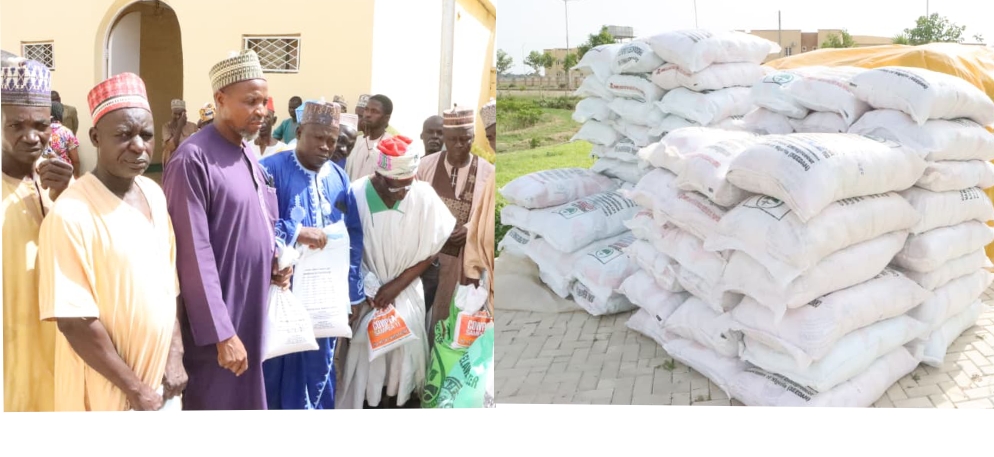
As part of measures to restore livelihoods, TCN and AfDB distributed agricultural support packages to beneficiaries, including improved maize and bean seedlings as well as fertilizers, to boost agricultural productivity and enhance the economic recovery of communities affected by the transmission project.
Speaking during the sensitization exercise, the Assistant General Manager, Transmission Services, TCN Kano Region, Engr. Ibrahim Aliyu, described the Mando–Rimin Zakara 330kV Quad Transmission Line Project as a critical investment that will strengthen Nigeria’s national grid and improve electricity supply across Kano and neighbouring states.
He urged beneficiaries to maximize the use of the agricultural inputs provided to improve their livelihoods while calling on all project-affected persons who have received full compensation to vacate the transmission line Right-of-Way (RoW) without delay.
Aliyu warned that continued occupation of transmission corridors or construction of buildings beneath high-voltage power lines poses serious dangers to lives and property, stressing the importance of maintaining safety standards around electricity infrastructure.
According to a statement by Ndidi Mbah General Manager, Public Affairs, on July 2, 2026, the sensitization programme underscores the commitment of both the utility company and the African Development Bank to transparent stakeholder engagement, responsible implementation of infrastructure projects, fair compensation for affected communities, and sustainable livelihood restoration as Nigeria expands its power transmission network.