From Grid Collapse to Grid Stability: How TCN’s Digital Effort is Transforming Nigeria’s Power Network
Oru Leonard
For decades, Nigeria’s national electricity grid carried a reputation that inspired more anxiety than confidence.
Grid collapses became recurring headlines, while aging transmission infrastructure struggled under mounting pressure. Across homes, factories and businesses, the phrase “national grid failure” became a familiar national lament.
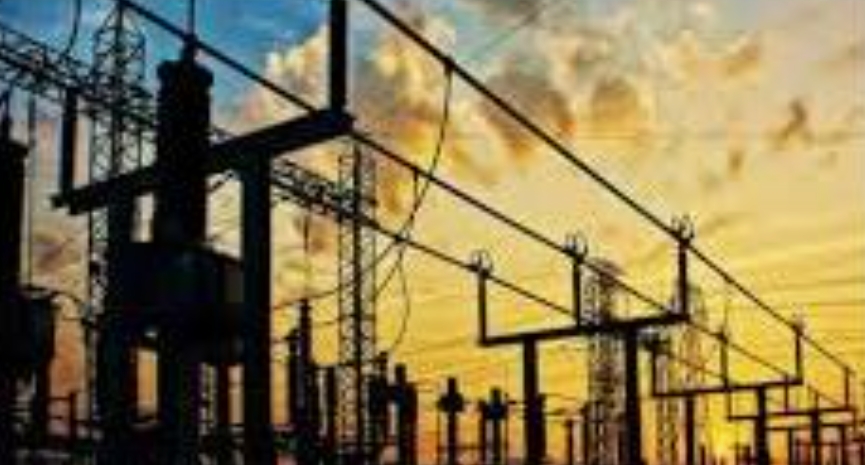
Yet, quietly and largely outside public attention, a technological transformation has been unfolding within Nigeria’s power transmission backbone, one that industry observers believe is redefining the future of electricity delivery in Africa’s largest economy.
At the center of this transformation is the Transmission Company of Nigeria (TCN), under the leadership of its Managing Director and Chief Executive Officer, Engr. (Dr.) Sule Ahmed Abdulaziz. TCN was a single entity until recently when System Operations and Market Operations were carved out to form the Nigerian Independent System Operator, NISO.
What is emerging is not merely an infrastructure upgrade, but a deliberate effort to digitize, modernise and stabilize Nigeria’s fragile transmission network through technology-driven reforms, improved data visibility and strategic expansion.
Inside the National Control Centre (NCC), engineers now monitor the complex web of substations, transmission lines and electricity flows nationwide. Years ago, this monitoring depended largely on outdated systems inherited from the defunct National Electric Power Authority (NEPA) era, systems that offered limited visibility and often delayed operational responses.
Today, however, the picture is changing. Under Abdulaziz’s leadership, TCN initiated an ambitious digital transformation programme designed to modernize grid operations and improve real-time system management, which has now been inherited by NISO
One of the company’s most significant interventions came through the deployment of an in-house Internet of Things (IoT)-based solution developed by TCN engineers to enhance grid visibility.
The innovation enabled near real-time data acquisition from generators and substations across the country, dramatically improving the ability of Grid Controllers at the NCC to monitor system performance.
For the first time, power generation stations and a substantial number of transmission substations became digitally visible to operators in real time, a development industry experts describe as a major institutional evolution for a transmission network that historically struggled with fragmented monitoring systems.
The transformation at TCN with regards to grid management extends beyond software and digital dashboards. Through the Nigerian Electricity Grid Maintenance, Expansion and Rehabilitation Programme (NEGMERP), the company embarked on extensive physical infrastructure upgrades nationwide.
Aging transmission lines are being reconductored, old transformers replaced with higher-capacity units, while new substations are being completed and existing facilities upgraded.
The results are becoming increasingly visible. Nigeria recorded multiple power generation peaks under the current management, including an all-time high of 5,802 megawatts.
More significantly, the national grid remained stable for 421 consecutive days, from July 20, 2022, to September 13, 2023, without experiencing a system collapse, an achievement many industry stakeholders once considered improbable.
Another major component of TCN’s digital transition involves the planned deployment of a new Supervisory Control and Data Acquisition/Energy Management System (SCADA/EMS). The project started by TCN, now inherited and continued by NISO, seeks to replace aging infrastructure inherited from the NEPA era with modern automated control and communication system capable of supporting advanced grid management.
While awaiting full implementation, TCN simultaneously pursued smaller digital solutions capable of delivering immediate operational impact. This dual-track approach, combining long-term modernisation with practical short-term innovations, has become one of the defining characteristics of the company’s reform strategy.
In a short while these transformations would become commonplace as the grid would become more efficiently managed and the nation would be better for it as bulk power would become more regular, more stable, more reliable and more predictable.