Dual Mandate Policy Set To Transform Teacher Education, End Long Degree Route, COEASU President Says
Maryam Aminu
Teacher education in Nigeria may be on the verge of a major revival as stakeholders push a new academic pathway designed to make education courses faster, more attractive and more rewarding for prospective students.
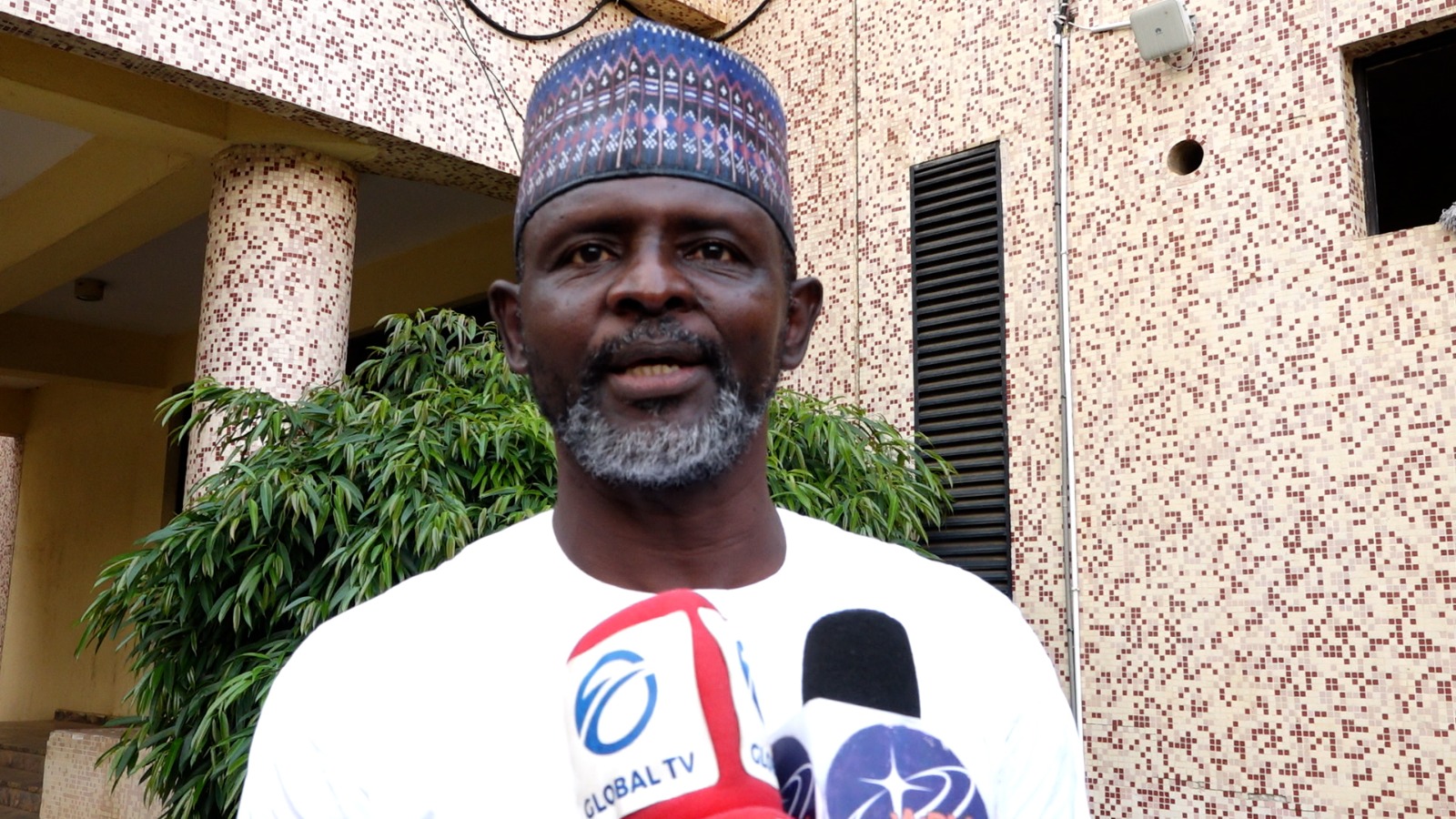
President of the College of Education Academic Staff Union (COEASU), Dr. Lawan Ahmed Bazza, says the implementation of the Dual Mandate System could redefine the future of teacher training and close Nigeria’s growing teacher deficit.
Speaking in an interview, Bazza explained that the policy allows Colleges of Education to award bachelor’s degrees independently without the traditional requirement of affiliating with universities a major shift enabled by legislation signed by President Bola Ahmed Tinubu on June 12, 2023.
According to him, the reform is intended to tackle declining enrolment in teacher education and reverse years of low interest in education-related courses.
He noted that data from the Joint Admissions and Matriculation Board (JAMB) consistently show that teacher education remains among the least subscribed courses in the country, despite the strategic importance of teachers to national development.
Bazza argued that one of the major barriers has been the lengthy academic journey traditionally faced by students.
He explained that under the previous structure, a student pursuing a Nigeria Certificate in Education (NCE) and later seeking a university degree could spend an additional three years before proceeding for the mandatory one-year National Youth Service Corps (NYSC), creating what many considered a discouraging seven-year route to obtaining a degree.
Under the Dual Mandate arrangement, he said graduates of Colleges of Education can complete degree qualifications within a shorter timeframe while retaining the advantage of dual credentials.
“The intention is to make students doubly qualified graduating with both NCE and degree qualifications in a more attractive and efficient structure,” he said.
Beyond shortening academic timelines, Bazza said the reform carries employment incentives capable of driving enrolment.
According to him, graduates emerging through the new pathway are expected to enter public service at Grade Level 9 instead of Grade Level 8, a development he believes will encourage more young Nigerians to choose education courses.
He lamented the widening teacher shortage across the country and warned that Nigeria’s development ambitions could be undermined if investment in teacher education remains weak.
Commending President Tinubu for assenting to the legislation, Bazza revealed that education stakeholders had pursued the reform for more than 16 years.
He also acknowledged the efforts of the Minister of Education Dr. Tunji Alausa and the Minister of State for Education Professor Suwaiba Sa’id Ahmad, whom he described as key drivers working to ensure successful implementation of the mandate.
Bazza expressed confidence that with sustained policy support and sector reforms, Colleges of Education would regain relevance and become highly sought-after institutions.
Drawing comparisons with the nursing profession, which has witnessed rising popularity in recent years, he predicted that teacher education would experience a similar turnaround.
He further praised the leadership of Dr. Angela Ajala, Executive Secretary of the National Commission for Colleges of Education (NCCE), expressing optimism that education courses would soon become “courses of pride.”
Calling for renewed respect and investment in teachers, Bazza said Nigeria’s future depends largely on the quality and motivation of those entrusted with educating the next generation.