Oyedele: High Cost of Capital Holding Back Africa’s Development
Oru Leonard
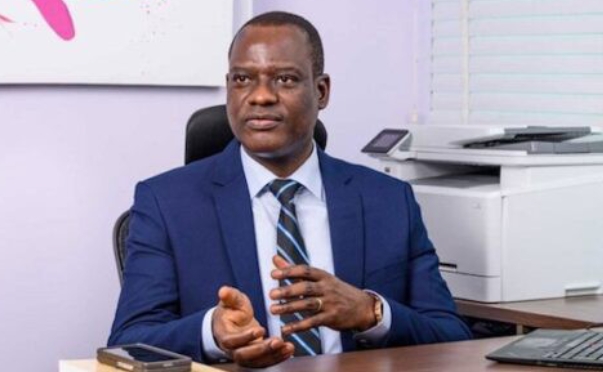
Nigeria’s Minister of Finance and Coordinating Minister of the Economy, Taiwo Oyedele, has called for a major rethink of global financing arrangements to enable African countries access affordable, long-term capital for infrastructure and development.
Oyedele made the call at the United Nations Dialogue on Solutions to Climate Finance, held on the margins of the 81st Session of the United Nations General Assembly in New York.
The Minister said Africa’s development prospects, particularly in the energy sector, were being undermined by high borrowing costs, currency risks and inadequate access to long-term financing.
He said the continent also faces additional financing burdens arising from negative perceptions about African economies, describing them as a “prejudice premium”, “narrative cost” and “stereotype tax.”
According to him, these factors increase the cost of raising funds for critical infrastructure despite Africa’s relatively low contribution to global carbon emissions.
Oyedele urged the international community to simplify access to climate finance and develop funding arrangements that reflect the economic and developmental realities of developing countries.
He also advocated increased investment in gas and other transition energy sources in Africa, arguing that reliable and affordable energy remains essential to tackling poverty and supporting economic development.
The Minister noted that greater investment in Africa’s energy sector could also contribute to diversification of global energy supplies and reduce concentration risks arising from disruptions in the Gulf region.
He stressed that Africa’s energy transition should take into consideration the continent’s substantial energy-access deficit, saying countries need sufficient investment to expand electricity and energy access while gradually moving towards cleaner energy sources.
On Nigeria’s priorities, Oyedele said government was focused on policies and programmes aimed at reducing poverty, expanding economic opportunities and accelerating the distribution of shared prosperity.
He maintained that achieving these goals would require stronger international cooperation and a global financing system capable of providing developing countries with the capital needed to build infrastructure and improve living standards.