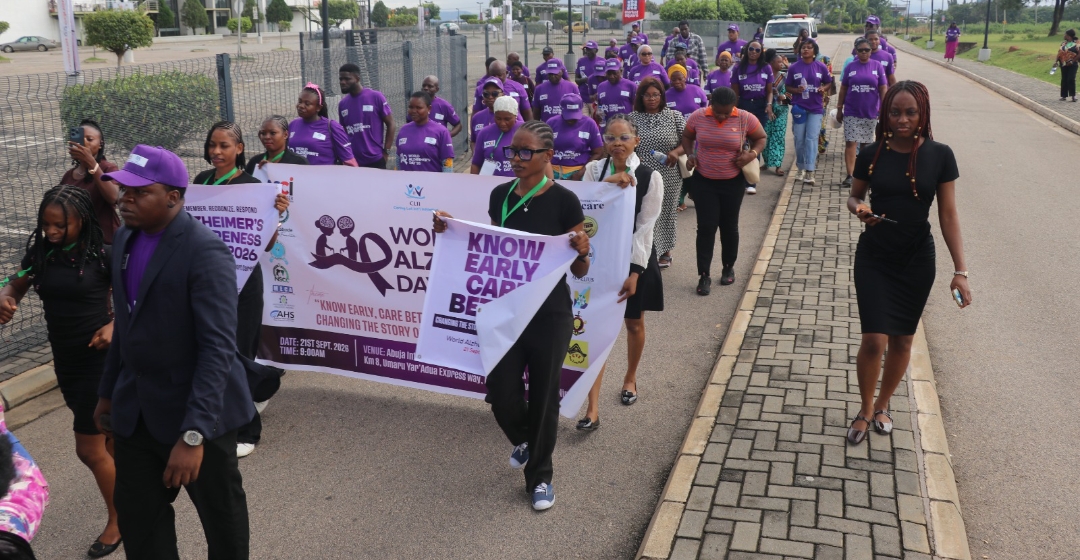
World Alzheimer’s Day: CLII, ACCI, United Healthcare HMO Seek Early Detection, Better Care for Elderly
Oru Leonard
The Caring Lot International Initiative (CLII), in partnership with the Abuja Chamber of Commerce and Industry (ACCI) and United Healthcare HMO, has called for increased awareness, early detection and intervention in Alzheimer’s disease and dementia in Nigeria.
The organisations also urged stronger support for caregivers and improved healthcare services for senior citizens.
The call was made at the 2026 World Alzheimer’s Day programme held in Abuja under the theme, “Know Early, Care Better: Changing the Story of Alzheimer’s in Nigeria.”
The programme brought together senior citizens, healthcare stakeholders, caregivers and representatives of government and business organisations to discuss ageing, dementia, healthcare access and community-based care.
Speaking at the event, CLII Chief Executive Officer, Engr. Lawunmi Ismail, said the programme was designed to draw attention to the needs of ageing Nigerians, particularly people living with Alzheimer’s disease and dementia and those caring for them.
Ismail described ageing as a natural part of life and urged caregivers to remain committed to their responsibilities, while calling on families and communities to provide greater support for caregivers who often face significant physical, emotional and social demands.
The 1st Deputy President of ACCI and Chairman of CLII, Prof. Adesoji Adesugba, called for increased public education, early recognition and intervention, stronger caregiver support systems and the development of inclusive communities for older persons.
Adesugba stressed that senior citizens should not be excluded from community programmes and social-support initiatives, noting that timely awareness and intervention could help families respond more effectively to dementia and Alzheimer’s disease.
He also advocated greater collaboration among government agencies, healthcare providers, civil society organisations, businesses and community groups to address the challenges associated with ageing and dementia.
On government efforts, the Federal Ministry of Health and Social Welfare has announced plans to establish a Brain Health Desk under the National Mental Health Programme and develop Nigeria’s first National Brain Health Agenda.
The proposed framework is expected to strengthen policy coordination, advocacy, research, surveillance, workforce development and access to neurological services.
Nigeria is also working towards implementing the World Health Organisation’s Intersectoral Global Action Plan on Epilepsy and Other Neurological Disorders 2022–2031, which recognises dementia as part of the broader neurological disease burden.
Also speaking, Chairman of the ACCI Medical Trade Group and Chief Executive Officer of United Healthcare HMO, Dr. Kolawole Owoka, emphasised the importance of community and healthcare structures in supporting caregivers.
Owoka advocated the development of dementia-friendly and inclusive communities, saying improved public understanding could help reduce stigma and social isolation and enable older persons and those experiencing memory difficulties to participate more comfortably in community life.
Representing the Director-General of ACCI, the Deputy Director-General, Dr. Tinuke Temitope, commended CLII for its awareness and advocacy efforts and reaffirmed the Chamber’s interest in initiatives promoting healthcare, healthy ageing and social welfare.
She said ACCI’s involvement reflected its broader stakeholder and advocacy role, particularly through its Health and Medical Trade Group, which provides a platform for addressing healthcare and medical-sector issues from a business and development perspective.
Temitope added that Alzheimer’s disease and dementia have implications beyond healthcare, affecting families, caregivers, workplace productivity, social welfare and the wider economy.
Participants identified greater attention to senior citizens, stronger public education, improved caregiver support and increased community engagement as key priorities.
They also called for increased support for radio jingles, social media awareness campaigns, information sharing, health insurance awareness and other interventions aimed at reducing stigma and improving the wellbeing of older persons.
The programme underscored the need for a coordinated, community-focused approach to ageing, Alzheimer’s disease and dementia care in Nigeria.
Stakeholders stressed that awareness, early recognition, caregiver support, accessible healthcare and inclusive communities are critical to ensuring that older persons live with dignity and receive appropriate care.
As Nigeria develops its emerging national focus on brain health, participants urged stakeholders to translate policy initiatives into practical support for senior citizens, people living with dementia and the caregivers who support them.