From Karishika to Constituency: How Chidi Nkem Aruoma Can Build Ikwuano/Umuahia South/Umuahia North into an International Film Hub
By Simi Yobo
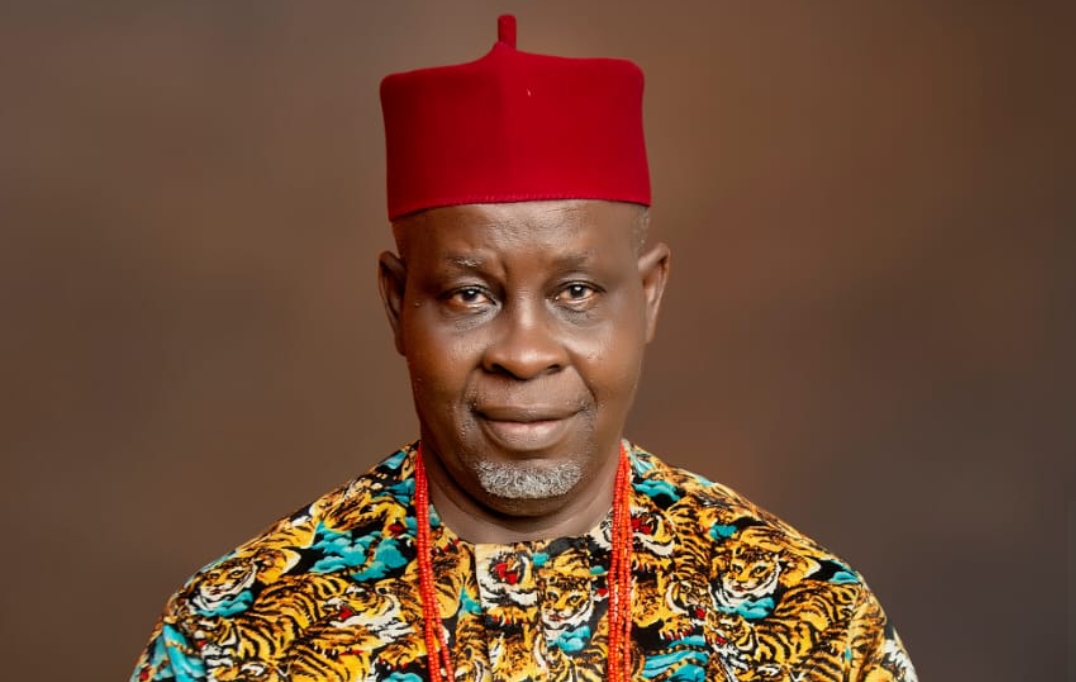
Chidi Nkem Aruoma is not just a name on a ballot. He is a storyteller who helped lay the foundation for what the world now recognizes as Nollywood.
Before the cameras became political tools, they were creative instruments in his hands. Aruoma stood among the pioneers who dared to tell Nigerian stories, for Nigerians, by Nigerians.
His production record reads like a Nollywood hall of fame list. He produced _Ijele_, a film that became a cultural landmark and showed that epic indigenous narratives could command national attention.
_Evil Forest_ followed, proving that folklore and suspense could draw millions to the video rental shops of the 1990s. It turned fear into a shared national experience.
With _Blood 4 Blood_, he explored loyalty, revenge, and justice in ways that sparked debate in homes across the country. The film’s intensity made it a blockbuster.
_Crisis_ captured a moment of social tension and put it on screen with raw honesty. Audiences saw their struggles reflected back at them.
_Not Your Wealth_ reminded viewers that money does not define worth. Its moral clarity made it one of the most quoted titles of its era.
_Path of Destiny_ told stories of choice and consequence. It gave young actors early platforms and audiences a reason to believe in locally made cinema.
_Chain Reaction_ showed his range. It was fast paced, layered, and it kept viewers talking long after the tape ended.
_Only Nigerian Girl_ celebrated identity at a time when global influences were rising. It was bold, proud, and unapologetically local.
_Amina_ brought historical and emotional depth to the screen. It proved that Nigerian films could carry weight beyond entertainment.
_Out of Cage_ pushed boundaries on freedom and confinement, both literal and social. The title alone became a metaphor many people used.
_Samadora_ blended drama and intrigue, while _Satanic_ and _Karishika_ defined a supernatural era that put Nollywood on every street corner.
_Festival of Fire, Lost Kingdom_ and _Liquid Love_ rounded out a filmography that built an industry. These were not just movies. They were jobs, skills, and cultural exports.
Today, Aruoma is contesting for the Federal House of Representatives seat for the Ikwuano Umuahia South Umuahia North Federal Constituency. He is bringing that same creative energy into governance.
His vision is direct. Turn the constituency into an international film hub. That means studios, sound stages, post production suites, and training centers built right here at home.
An international film hub starts with infrastructure. By attracting private investors and federal creative economy funds, he can push for a Nollywood Village within the constituency.
That village would house sound stages, editing labs, costume and prop workshops, and affordable accommodation for cast and crew. It would make the area a magnet for producers from Lagos, Accra, London, and Atlanta.
Revenue would flow from multiple streams. Location fees, production spending on local vendors, hospitality bookings, tourism around film sets, and royalties when productions are sold globally.
Job opportunities would multiply quickly. Youths can be trained as camera operators, lighting technicians, sound engineers, set designers, makeup artists, script supervisors, and VFX assistants.
Beyond technical roles, there is work in logistics, security, catering, transport, printing, and digital marketing. Every production becomes a mini economy for local families.
Talent discovery would be structured, not accidental. A constituency film academy can run quarterly bootcamps, screenwriting labs, and acting workshops open to SS3 leavers, NYSC members, and returning graduates.
Annual short film competitions would surface new directors and storytellers. Winners get mentorship, equipment access, and a slot to shoot in the constituency hub.
Partnerships matter. With the National Film and Video Censors Board, NITDA, and private studios, Aruoma can secure certifications, internships, and distribution deals for local creators.
The cultural dividend is just as important. Ikwuano, Umuahia South, and Umuahia North have stories, languages, festivals, and landscapes that the world has not seen on screen. A film hub puts those on the map.
This is not fantasy. It is a transfer of skills. The same man who helped build an industry from video cassettes can help build a 21st century creative economy from his constituency.
If elected, Aruoma’s mission would be simple. Convert legacy into livelihood, talent into income, and local stories into international attention.
SIMI YOBO is a Public Affairs Analyst.