JP Morgan’s Nigeria Entry Signals Growing Investor Confidence, Says IMPI
Oru Leonard
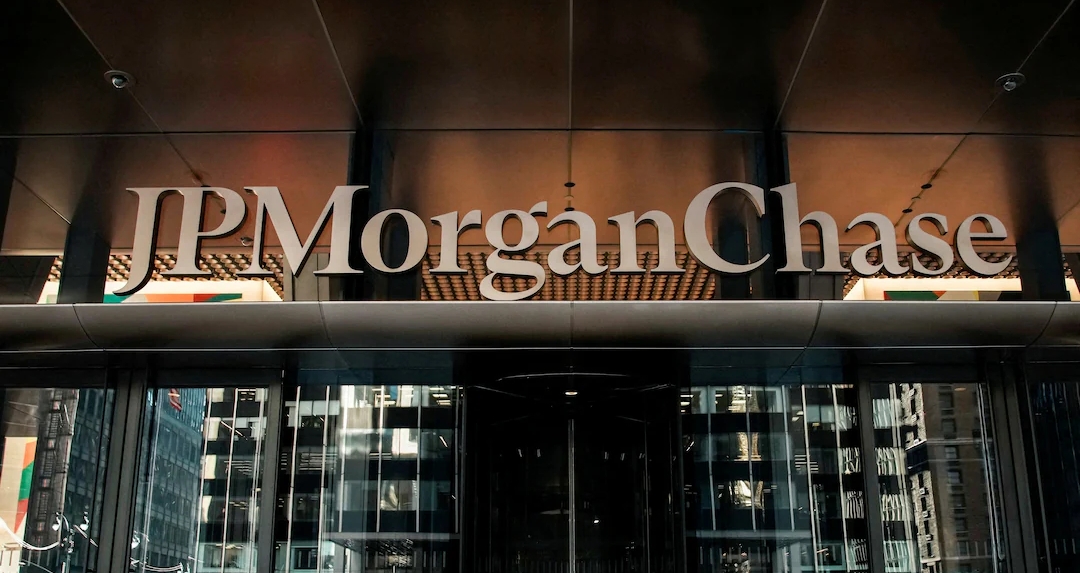
The Independent Media and Policy Initiative (IMPI), has described JP Morgan Chase’s move to establish a fully licensed merchant banking operation in Nigeria as a significant boost to the country’s investment profile and a potential catalyst for increased Foreign Direct Investment (FDI).
The policy think tank said the development could encourage more multinational corporations and international financial institutions to explore long-term investment opportunities in Nigeria.
In a policy statement signed by its Chairman, Dr Omoniyi Akinsiju, IMPI noted that JP Morgan Chase’s application for a national merchant banking licence represents a major development in Nigeria’s financial services sector and the wider West African corporate finance market.
According to the group, the proposed expansion would enable the global financial institution to move beyond its representative office operations and provide services such as trade financing, corporate lending, cross-border underwriting and structured financial transactions.
IMPI described the move as an endorsement of the economic reforms introduced by the administration of President Bola Ahmed Tinubu, noting that it could strengthen Nigeria’s appeal to international investors.
It explained that one of the major obstacles to foreign investment in West Africa has been the high cost of capital and the difficulty of financing large-scale projects.
However, the presence of a fully operational merchant bank, it argued, could help address these challenges by facilitating financing for energy infrastructure, telecommunications and industrial development projects.
The organisation added that multinational companies seeking to establish or expand operations in Nigeria could benefit from improved access to international trade credit, commodity risk management instruments and syndicated financing arrangements.
It further noted that Nigeria’s sovereign and corporate borrowers could gain improved access to international capital markets, while the presence of a major global financial institution could strengthen confidence among pension funds, sovereign wealth funds and private equity investors.
On the broader investment climate, IMPI maintained that foreign investment prospects have improved under the Tinubu administration, attributing the development to what it described as bold but difficult economic policy decisions.
It identified the unification of the foreign exchange market and the removal of the petrol subsidy in 2023 as major structural adjustments that have reshaped Nigeria’s economic environment.
Although the reforms initially resulted in increased inflationary pressures and currency depreciation, the group argued that they helped reposition the country’s external financial position and renewed international investor interest.
IMPI also highlighted what it described as a gradual transition in Nigeria’s foreign investment landscape from short-term Foreign Portfolio Investment (FPI) towards more sustainable, long-term FDI.
It explained that the Central Bank of Nigeria’s strategy under the Tinubu administration initially relied on attractive portfolio investment returns to address foreign exchange backlogs, strengthen external reserves and support the naira.
According to the policy group, the strategy helped push foreign reserves above $55 billion, although the high yields offered on government securities also contributed to elevated borrowing costs for domestic businesses.
It stated that as inflationary pressures moderate and yields on fixed-income securities begin to decline in line with monetary policy adjustments, international investors may increasingly redirect capital towards productive sectors of the economy.
IMPI observed that for nearly two years, foreign investors had shown greater preference for government debt instruments and Treasury bills, which offered returns above 25 per cent, rather than committing capital to physical infrastructure and business operations.
The group argued that declining returns in the fixed-income market could make direct investments in infrastructure, industrial production, corporate equity and greenfield projects more attractive.
It concluded that the proposed expansion of JP Morgan Chase into Nigeria’s merchant banking sector could strengthen the country’s connection to global financial markets and create fresh opportunities for long-term foreign investment.