Victory Day at 81: Russia Flags ‘History Distortion’ as Threat to Global Order
Oru Leonard
The Russian Federation has cautioned against what it describes as rising efforts to reinterpret the history of World War II, warning that such narratives could erode international law and destabilise global relations.
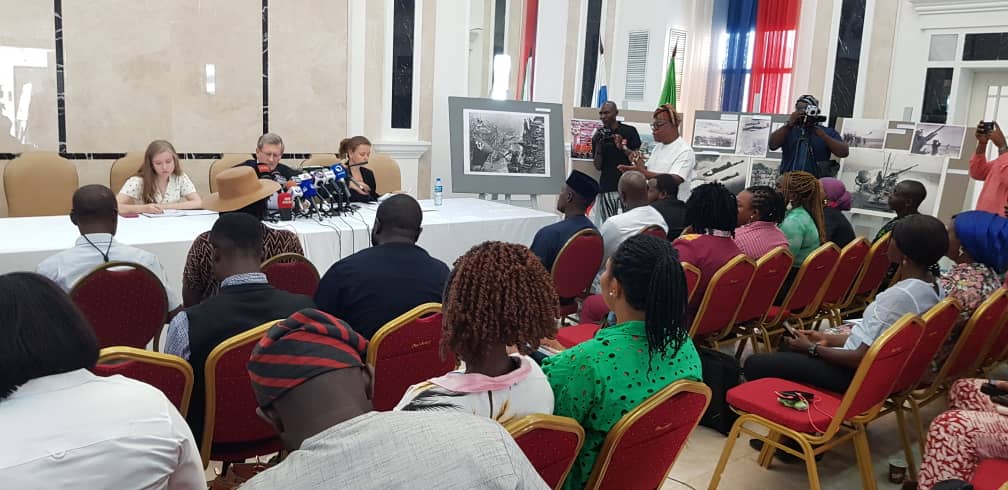
Russia’s Ambassador to Nigeria, Andrey Podelyshev, issued the warning in Abuja during a press briefing ahead of the 81st Victory Day anniversary on May 9. He said the date remains a cornerstone of modern history, marking the defeat of Nazi Germany and the emergence of today’s international system.
“Victory Day is not only a symbol of the end of the most devastating war in human history, but also a reminder of the responsibility to preserve historical truth,” he stated.
The envoy described current debates over the war’s legacy as a growing “battle of narratives,” alleging that some countries are diminishing the Soviet Union’s role in defeating Nazi Germany and, in some instances, equating it with aggressor states.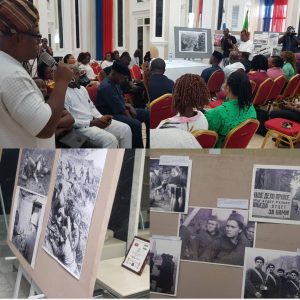
He emphasised that the outcomes of the Nuremberg Trials remain the globally accepted legal standard for determining accountability for wartime crimes.
Podelyshev criticised the dismantling of Soviet-era memorials in parts of Europe, especially in Poland and the Baltic region, calling it a calculated attempt to erase historical contributions. He also raised concerns about the recognition of controversial wartime figures such as Stepan Bandera and Roman Shukhevych, whom he linked to Nazi collaboration.
The ambassador disclosed that Russia has introduced new laws to safeguard what it considers historical truth. These include provisions recognising atrocities committed on Soviet territory during the war as genocide, as well as penalties for justifying Nazism or desecrating war memorials.
“These measures reflect a broader obligation to prevent the manipulation of history for political ends,” he said.
Remembering the War’s Human Toll
Podelyshev highlighted the immense human cost of the war, noting that more than 27 million Soviet citizens died during the conflict, including a large number of civilians. He argued that the scale and systematic nature of the killings meet the criteria for genocide under international frameworks, including those linked to the United Nations.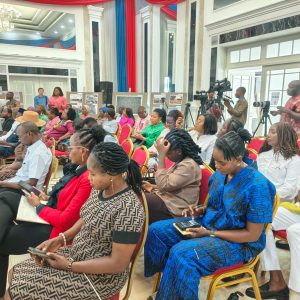
On the ongoing Ukraine conflict, the ambassador said Russia’s position is rooted in developments that predate 2022. He referenced the 2013–2014 uprising in Kyiv, known as the Euromaidan, which he described as a Western-supported political shift that deepened divisions in regions such as Crimea and Donbass.
He maintained that these developments, along with what he termed rising nationalism and anti-Russian sentiment, are key to understanding Russia’s current actions.
Podelyshev called on the international community to resist selective or politically motivated interpretations of history, stressing that the lessons of World War II must be preserved through factual and balanced accounts.
He warned that distorting the legacy of the war risks weakening the foundations of the modern international system, insisting that safeguarding historical truth remains essential to global peace and stability.