Tinubu Is Breaking Mono-Economy Narrative with N12.59trn Trade Surplus — TMV
Oru Leonard
The Tinubu Media Volunteers (TMV) has described Nigeria’s reported N12.59 trillion trade surplus in the second quarter of 2026 as evidence that the country is gradually moving away from an economy heavily dependent on crude oil exports.
The group said the development reflected growing diversification of Nigeria’s export base and the increasing contribution of non-oil products to the country’s foreign exchange earnings.
In a statement by its Chairman, Chukwudi Enekwechi, and Secretary, Segun Ogedengbe, TMV said the figures indicated that Nigeria’s traditional over-reliance on crude oil exports was beginning to decline.
The group said, “It is noted that the ratio of exports to imports in the second quarter of 2026 is 65 per cent to 35 per cent. The positive implication of the rise in exports of merchandise goods and non-oil goods is that for the first time Nigeria is now earning more foreign exchange from the export of non-oil products.”
TMV also highlighted the contribution of the Dangote Refinery to Nigeria’s changing trade profile, particularly through the export of refined petroleum products, fertiliser and aviation fuel.
“It is also worthy of note that the Dangote refinery has added to the positive outlook of Nigeria’s trade surplus, especially with the export of premium motor spirit, fertilizer and Jet A1 fuel,” the statement said.
According to the group, Nigeria’s emergence as an exporter of refined petroleum products, including Jet A1 fuel to international markets, could strengthen foreign exchange earnings and support the country’s external reserves.
The group further argued that the improvement in the country’s trade balance indicated a positive balance of payments position in Nigeria’s international trade.
“We are gladdened with the fact that from the remarkable improvement in Nigeria’s trade surplus it is clear that the balance of payment between Nigeria and the rest of the world is positive for the country,” TMV said.
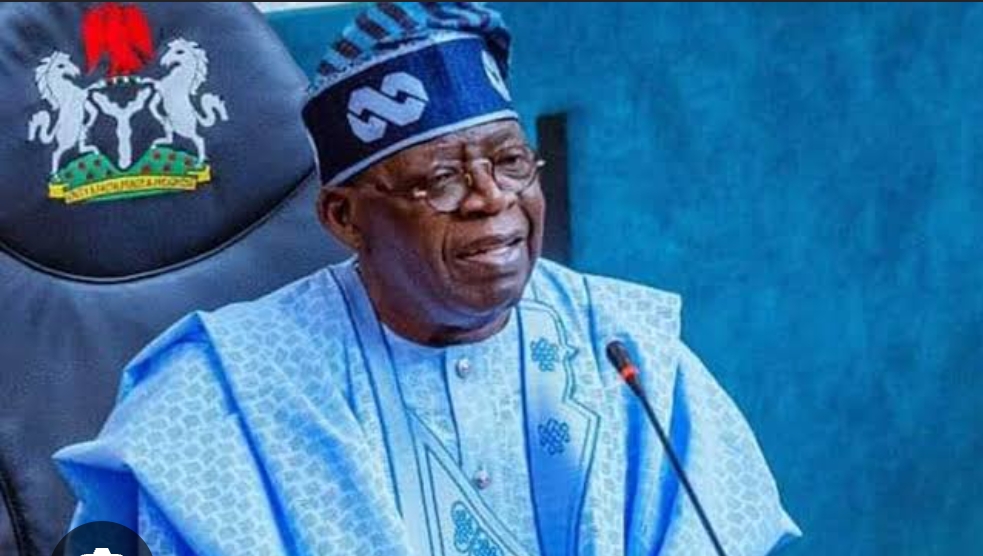
It maintained that the economic reform agenda of President Bola Tinubu was contributing to the expansion of non-oil exports and the gradual diversification of the Nigerian economy.
“Also under the President Bola Tinubu administration’s economic reform agenda, Nigeria is presently exporting more non-oil products, thereby diversifying the country’s economy. This is the only way we can build a sustainable national economy that is not dependent on oil,” the group stated.
TMV said imports accounted for 34.80 per cent of total trade during the period under review, with a reported value of about N14.42 trillion, while exports accounted for about 65 per cent.
The group applauded what it described as the positive development in Nigeria’s trade balance and President Tinubu’s efforts to redirect the economy from a mono-product structure towards a more diversified and sustainable economic base.w