Senate Begins Public Hearing on Health Bills to Strengthen Healthcare Delivery
Oru Leonard
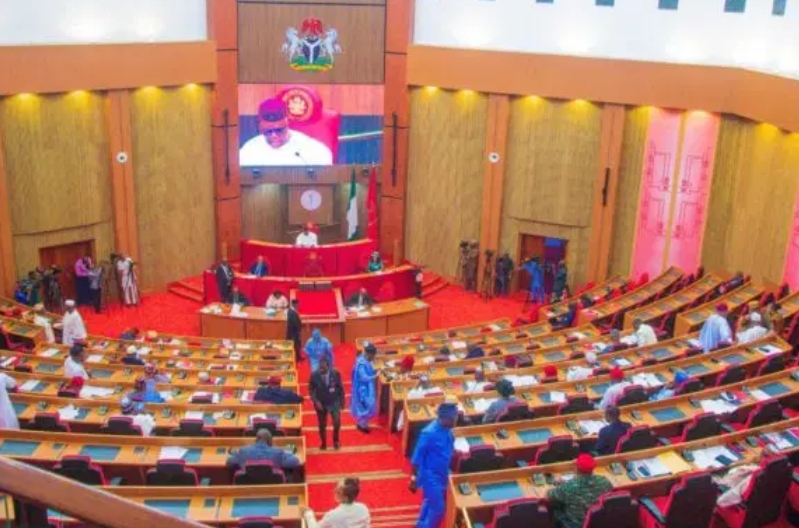
The Senate Committee on Health (Secondary and Tertiary) has commenced a two-day public hearing on four proposed health-sector bills aimed at strengthening healthcare delivery, regulating electronic health services, combating counterfeit drugs and expanding access to federal medical facilities.
The hearing, which began on Thursday, October 8, 2026, at the National Assembly in Abuja, provides an opportunity for stakeholders to examine the proposed legislation and make recommendations before further legislative action.
The session was scheduled for 2 p.m. at Conference Room 022, Senate New Building, National Assembly Complex, Abuja.
The four bills referred to the committee for consideration cover electronic healthcare services, counterfeit and fake drugs, the regulation of food and drug products, and the establishment of a Federal Medical Centre in Argungu, Kebbi State.
Four Bills Under Consideration
The first is the E-Health (Establishment) Bill, 2026 (SB. 758), sponsored by Senator Barau Jibrin, representing Kano North Senatorial District.
The proposed legislation concerns the establishment of an electronic health framework, an area of growing importance as healthcare systems increasingly adopt digital technologies for service delivery, medical records management and patient care.
Effective electronic healthcare systems could improve access to medical services, facilitate information management and support coordination among healthcare providers.
The second is the Counterfeit and Fake Drugs and Unwholesome Processed Foods (Miscellaneous Provision) Act (Amendment) Bill, 2026 (SB. 951), sponsored by Senator Suleiman Umar Sadiq, representing Kwara North Senatorial District.
The bill seeks to amend existing legislation addressing counterfeit and fake medicines and unwholesome processed foods.
Counterfeit medicines and unsafe food products remain significant public health concerns because they can expose consumers to serious health risks and undermine confidence in the country’s healthcare and food safety systems.
The proposed amendment is expected to provide an opportunity for lawmakers and stakeholders to examine existing legal provisions and consider measures to strengthen the protection of consumers.
The third bill is the Food, Drugs and Related Products (Registration, Etc.) (Repeal) Bill, 2026 (SB. 952), also sponsored by Senator Suleiman Umar Sadiq.
The proposal concerns the repeal of existing legislation governing the registration of food, drugs and related products.
Its consideration provides an opportunity to examine the implications of the proposed repeal for product registration, regulatory oversight and the administration of laws governing food and pharmaceutical products in Nigeria.
The fourth is the Federal Medical Centres Act (Amendment) Bill, 2026, sponsored by Senator Abdullahi Yahaya Abubakar, representing Kebbi North Senatorial District.
The bill seeks to amend the Federal Medical Centres Act to establish a Federal Medical Centre in Argungu, Kebbi State.
The proposal highlights the role of legislation in determining the location and establishment of federal healthcare institutions, with implications for access to medical services and the distribution of healthcare infrastructure.
Focus on Healthcare Access and Regulation
The public hearing comes amid continuing efforts to strengthen Nigeria’s healthcare system, particularly in the areas of healthcare financing, regulation, patient safety and access to quality medical services.
Public hearings enable lawmakers to obtain input from government agencies, professional associations, healthcare practitioners, civil society organisations and other stakeholders before making recommendations on proposed legislation.
The process also allows participants to identify potential implementation challenges, suggest amendments and assess the likely effects of proposed laws on healthcare providers and the general public.
The four bills address different but interconnected aspects of healthcare delivery, ranging from the adoption of digital technologies and the safety of medicines and food products to the expansion of federal medical infrastructure.
Their consideration is therefore relevant to healthcare professionals, pharmaceutical companies, food manufacturers, regulatory agencies, medical institutions and patients.
The Senate Committee on Health (Secondary and Tertiary) is responsible for examining the bills referred to it and considering submissions from stakeholders during the public hearing.
Following the hearing, the committee is expected to assess the contributions received and determine the recommendations to present to the Senate for further legislative action.
The public hearing does not automatically mean that the bills have been passed into law. They must undergo the applicable legislative procedures before any proposed provisions can become legally effective.
The committee’s consideration of the bills forms part of the broader legislative process through which the National Assembly examines proposed reforms affecting healthcare administration, regulation and service delivery.
The second day of the hearing is expected to provide further opportunity for stakeholders to contribute to the legislative process.
The outcome of the exercise could have implications for digital healthcare development, the fight against counterfeit medicines, the regulation of food and drug products, and the expansion of access to federal medical services.
The Ministry of Health, Regulatory Agencies, various health professionals and industry leaders made observations
The hearing continues today.