TDF: Governors’ CNG Push Vindicates Tinubu’s Drive for Cheaper Transport
Oru Leonard
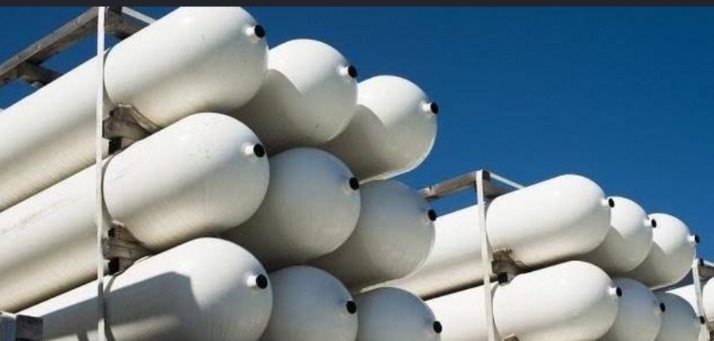
The Democratic Front (TDF), has described the decision by Nigeria’s 36 state governors to invest in Compressed Natural Gas (CNG), infrastructure as a major endorsement of President Bola Ahmed Tinubu’s sustained drive to reduce transportation costs.
In a statement signed by its Chairman, Danjuma Muhammad, and Secretary, Wale Adedayo, the group said the governors’ decision demonstrated growing readiness among the states to collaborate with the Federal Government in tackling the high cost of transportation.
TDF recalled that President Tinubu launched the Presidential Compressed Natural Gas Initiative (PCNGI) in August 2023, shortly after the removal of the petroleum subsidy, as part of efforts to provide Nigerians with cheaper energy and transportation alternatives.
According to the group, the administration has remained committed to expanding CNG infrastructure despite the challenges associated with establishing a nationwide gas-based transportation system.
TDF claimed that the initiative has so far contributed to the construction of 90 certified CNG filling stations, more than 450 conversion centres across 23 states and the conversion of over 120,000 vehicles, with an additional 100,000 conversion kits deployed across the country.
It noted that commercial transport operators in cities including Abuja, Lagos, Ibadan, Port Harcourt and Enugu had increasingly adopted CNG as an alternative to Premium Motor Spirit (PMS), while a significant number of interstate heavy-duty transport operators had also begun switching from diesel to CNG.
The group said the development demonstrated that the Federal Government’s push for alternative energy sources was gradually transforming the transportation sector and could help cushion the impact of higher energy costs on Nigerians.
“Although the rate of CNG penetration in the country is currently slow, we believe that the recent resolution by the 36 State Governors to invest massively in establishing CNG infrastructure to power transportation in their respective states will boost the rate of migration from PMS to CNG,” TDF said.
The group also welcomed the establishment of an implementation committee to coordinate joint Federal and state government measures aimed at reducing transportation costs from October 1.
It said the initiative, if effectively implemented, would help reduce the cost of inter- and intra-state transportation and lower the expense of moving agricultural produce from farms to markets.
TDF further argued that the governors’ decision reinforced the administration’s position that sustainable solutions to high transportation costs should focus on developing cheaper energy alternatives, including CNG and electric vehicles, rather than returning to a petroleum subsidy regime.
The group urged Nigerians to support the CNG initiative, saying accelerated investment in gas infrastructure would expand access to cheaper and more sustainable energy for transportation across the country.
It also attributed the slow adoption of CNG in Nigeria to inadequate infrastructure developed by previous administrations, stressing that sustained investment by both federal and state governments would be critical to achieving nationwide penetration.