Senator Dr. Ipalibo Harry-Banigo: Leadership, Healthcare Advocacy and Public Hearing
By Oru Leonard
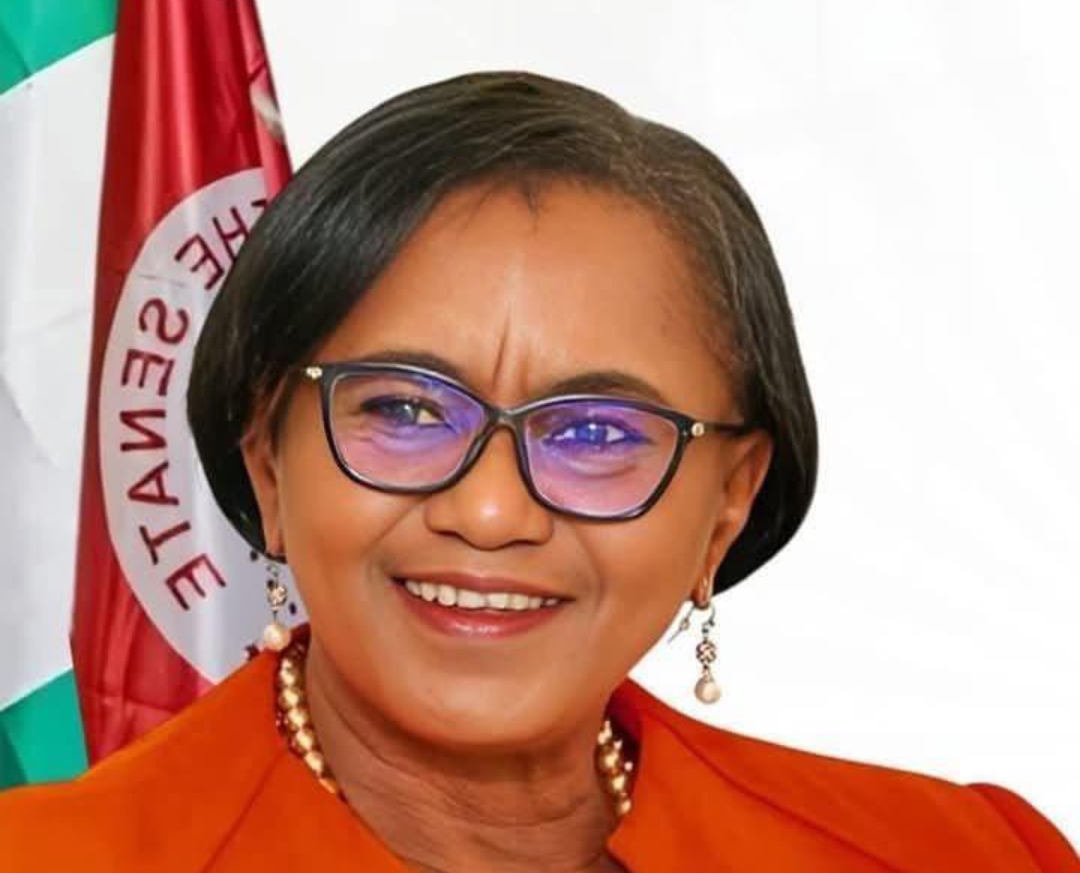
Senator Dr. Ipalibo Harry-Banigo is a Nigerian medical doctor, public health specialist, administrator and politician representing Rivers West Senatorial District in the 10th National Assembly. She is the Chairman of the Senate Committee on Health (Secondary and Tertiary).
Born on in Ibadan, Oyo State, she hails from Obuama in Degema Local Government Area of Rivers State. She studied Medicine at the University of Ibadan and obtained a Master of Public Health from Harvard University, alongside other postgraduate qualifications from institutions in London.
Before entering politics, she served in various capacities in Rivers State’s health sector, including Director of Public Health Services and Permanent Secretary in the Ministry of Health and Social Welfare. She also served as Executive Director of the National Primary Health Care Development Agency.
In 2015, she became the first female Deputy Governor of Rivers State, serving two terms alongside Governor Nyesom Wike until May 2023.
Elected to the Senate in 2023 on the platform of the Peoples Democratic Party, Harry-Banigo has focused on healthcare financing, digital health, medical regulation, disease prevention and improved healthcare delivery.
She established the Cawood Brown Foundation in 2008 to promote youth empowerment, vocational training and community development.
Her experience in medicine, public administration and politics informs her legislative contributions to Nigeria’s healthcare sector.
News and Opinion on the Public Hearing
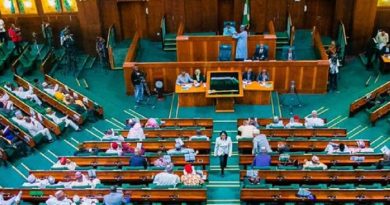
Senator Dr. Ipalibo Harry-Banigo has been commended for the professional manner in which she conducted the public hearing held at the Senate Building on October 8 and 9, 2026. As Chairman of the Senate Committee on Health (Secondary and Tertiary), she demonstrated composure, attentiveness and a clear understanding of the issues under consideration.
The hearing provided an important platform for stakeholders to present their views, raise concerns and contribute to discussions affecting Nigeria’s health sector. Senator Harry-Banigo’s approach reflected the importance of allowing diverse perspectives to be heard while maintaining order, focus and respect throughout the proceedings.
In my opinion, her conduct at the hearing is a positive example of how legislative oversight should be carried out. Public hearings are most effective when they are transparent, inclusive and guided by evidence rather than political sentiment. Senator Harry-Banigo’s medical background and administrative experience appear to have strengthened her ability to engage stakeholders with professionalism and purpose.
Her performance also reinforces the need for more lawmakers with relevant technical expertise to play leading roles in policy discussions. However, commendation should be matched by action. The recommendations arising from the hearing must be carefully reviewed and translated into practical policies that improve healthcare financing, strengthen medical institutions and expand access to quality care.
The public hearing was therefore not only a demonstration of Senator Harry-Banigo’s leadership style but also a reminder that effective parliamentary oversight must ultimately produce measurable benefits for Nigerians.
Oru Leonard Oru (FRPA, MNIM), Media and Business Development Practioner based in Abuja