Postmortem Confirms Journalist Pelumi Onifade Died from Gunshot Injury to Abdomen
Oru Leonard
A postmortem examination conducted by the Lagos State University Teaching Hospital (LASUTH) has confirmed that journalist Pelumi Onifade died from a penetrating firearm injury to the abdomen, resulting in massive internal bleeding.
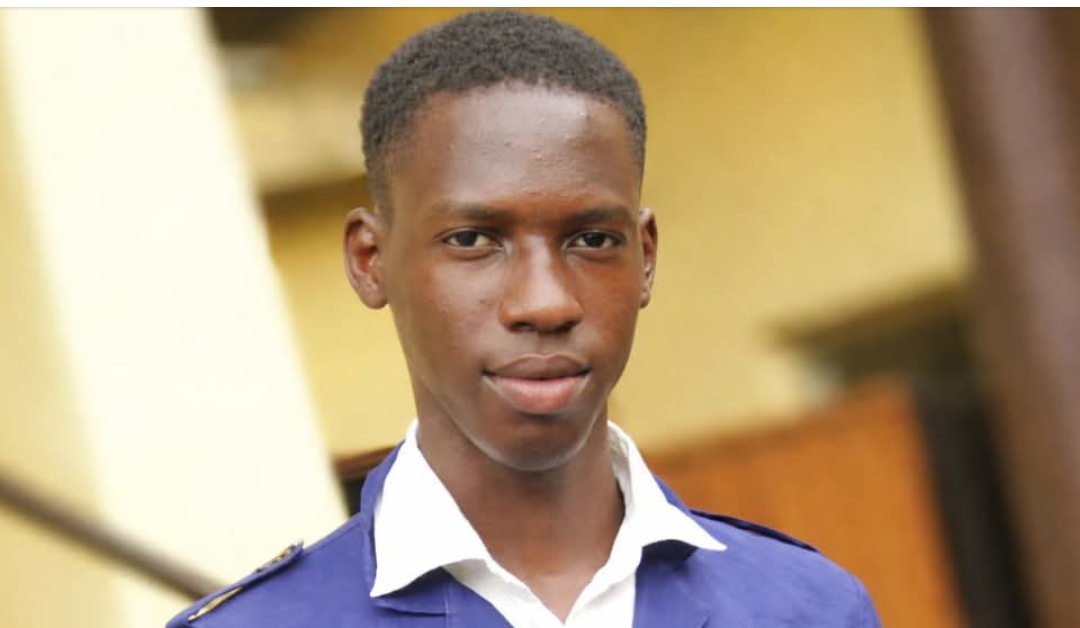
Onifade, a young journalist with Gboah TV, was reportedly shot and arrested while covering the #EndSARS protests in Lagos on October 24, 2020.
According to a nine-page postmortem report issued by LASUTH, the firearm projectile entered Onifade’s body through his lower back and caused extensive internal injuries to the abdomen.
The report, whose examination was conducted on November 4, 2020, at the LASUTH morgue, was carried out by Consultant Pathologist, Professor Sunday Sokunle Soyemi, with Professor John Oladapo Obafunwa, Supervising Consultant, in attendance.
The report was authorised by the Coroner, Mrs. Bola Folarin-Williams, and was finalised and signed on July 30, 2026.
The pathologist identified the cause of death as “massive haemoperitoneum” and “penetrating firearms injury to the abdomen.”
The body, tagged No. 1385, was identified as that of Onifade through DNA analysis conducted by the Lagos State DNA and Forensic Centre.
The report said the massive haemoperitoneum indicated that a large quantity of blood had accumulated in the abdominal cavity as a result of internal injuries caused by the projectile.
It further stated that the injuries were “consistent with a firearm injury to the abdomen with the ricochet of the missile.”
The examination also found bony fragments embedded in the soft tissue of the abdomen, consistent with a penetrating firearm injury, as well as a fracture of the fifth lumbar vertebrae.
According to the report, the trajectory of the projectile was “posterior-to-anterior, right-to-left and infero-superior,” indicating that it entered from the rear and travelled through the lower abdominal and pelvic region towards the upper part of the body.
The postmortem report was submitted to the Coroner’s Court investigating the circumstances surrounding Onifade’s death.
The inquest followed a suit filed by Media Rights Agenda (MRA) against the Lagos State Government and the Nigeria Police Force, seeking an investigation into the circumstances of the journalist’s death.
In a judgment delivered on July 19, 2024, Justice Ayokunle Olayinka Faji of the Federal High Court in Lagos directed the Attorney-General of Lagos State to take necessary steps to investigate the circumstances of Onifade’s death and conduct a coroner’s inquest to determine the cause of death and identify those responsible.
The report said the external examination of Onifade’s body showed no evidence of significant natural disease. It also noted that the deceased had no identifiable scars, tattoos or other distinguishing marks.
The pathologist concluded that the forensic medical evidence indicated that the fatal injuries resulted from a firearm projectile entering the abdominal region, causing extensive internal damage and haemorrhage.
Further proceedings in the coroner’s inquest have been adjourned until October 6, 2026.