NISO Seeks Stronger Collaboration to Strengthen Nigeria’s Electricity Grid Stability
Oru Leonard
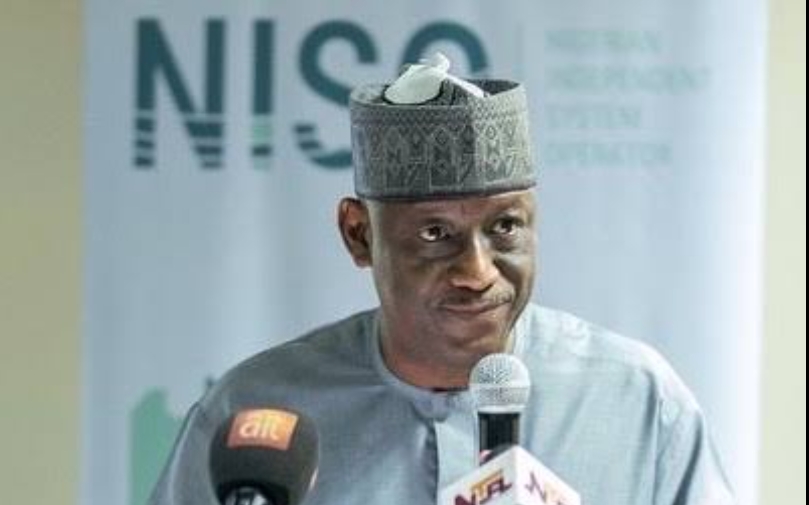
The Nigerian Independent System Operator (NISO) has called for stronger collaboration, operational discipline and coordinated action among stakeholders in the Nigerian Electricity Supply Industry (NESI) to improve the stability, reliability and resilience of the nation’s electricity grid.
The Managing Director/Chief Executive Officer of NISO, Engr. Abdu Bello Mohammed, FNSE, made the call on Wednesday, August 19, 2026, while delivering his opening remarks at a two-day workshop titled “Strengthening Grid Stability: A Collaborative Workshop for NESI Stakeholders” held at the Jebba Hydro Power Plant.
The workshop was hosted by Mainstream Energy Solutions Limited and brought together representatives of the Federal Ministry of Power, Nigerian Electricity Regulatory Commission (NERC), NISO, Transmission Company of Nigeria (TCN), generating companies (GenCos), distribution companies (DisCos), industry experts and technical professionals.
Mohammed described grid stability as the foundation for the security, reliability and resilience of Nigeria’s electricity supply industry, stressing that the evolving power sector requires effective system operation as well as strong collaboration across the electricity value chain.
He identified generation and transmission constraints, changing demand patterns, frequency excursions, voltage-security challenges and the increasing diversity of energy resources as some of the complex conditions confronting the Nigerian power system.
According to him, maintaining stability under these circumstances requires continuous vigilance and a holistic approach combining operational excellence with long-term strategic planning.
The NISO chief executive explained that frequency excursions could arise from several interrelated factors, including sudden generation or load losses, forecasting and scheduling inaccuracies, fault-induced disturbances, inadequate system inertia and the response characteristics of generating units during system events.
He noted that NISO’s compliance monitoring activities had further underscored the importance of adherence to technical performance standards, including Free Governor Control requirements.
Mohammed, however, emphasised that grid stability could not be achieved through technical interventions alone, but required accurate and timely operational information, adequate frequency and voltage control resources, effective reserve management, strict compliance with the Grid Code and seamless coordination among industry stakeholders.
He also stressed the importance of aligning present operational decisions with robust long-term system planning, particularly as Nigeria continues to pursue new generation projects, transmission infrastructure and other greenfield investments in the power sector.
He said the successful integration of new projects would require careful assessment of transmission adequacy, system strength, operational flexibility, reserve requirements, reliability criteria and future demand growth.
“The resilient and stable grid of the future will depend not only on how effectively we operate the system today, but also on how deliberately we plan and develop the network to accommodate emerging resources and evolving system requirements,” he said.
Mohammed urged participants to use the two-day workshop to move from diagnosis of existing challenges to practical solutions that could improve grid performance.
He said the workshop was expected to produce a stakeholder-validated understanding of the major threats to grid stability, measurable commitments towards improving frequency and voltage control, and practical coordination protocols among NISO, TCN, GenCos, DisCos and other stakeholders.
Other expected outcomes include greater alignment between operational requirements and long-term system planning priorities, as well as an effective mechanism for monitoring agreed actions and translating the workshop’s deliberations into measurable improvements in grid reliability, resilience and operational performance.
The NISO MD/CEO reaffirmed the organisation’s commitment to deepening collaboration with TCN, GenCos, DisCos, NERC, policymakers and other NESI stakeholders.
He said NISO’s objective was to support the development and operation of a grid that is “stable, resilient, responsive” and capable of supporting Nigeria’s economic growth and development aspirations.
Mohammed therefore urged participants to engage openly and constructively, share experiences, challenge existing assumptions where necessary and contribute practical solutions capable of strengthening the nation’s electricity system.
He expressed optimism that the workshop would strengthen not only the technical capabilities of stakeholders but also the collaboration, accountability and strategic foresight required to safeguard the integrity of Nigeria’s electricity grid.