Nigeria, Japan Seek Stronger Economic Partnership, Technology Transfer
Oru Leonard
Nigeria and Japan have reaffirmed their commitment to deepening their longstanding bilateral relations, with both countries seeking to translate diplomatic ties into stronger economic cooperation, technology transfer and measurable development outcomes.
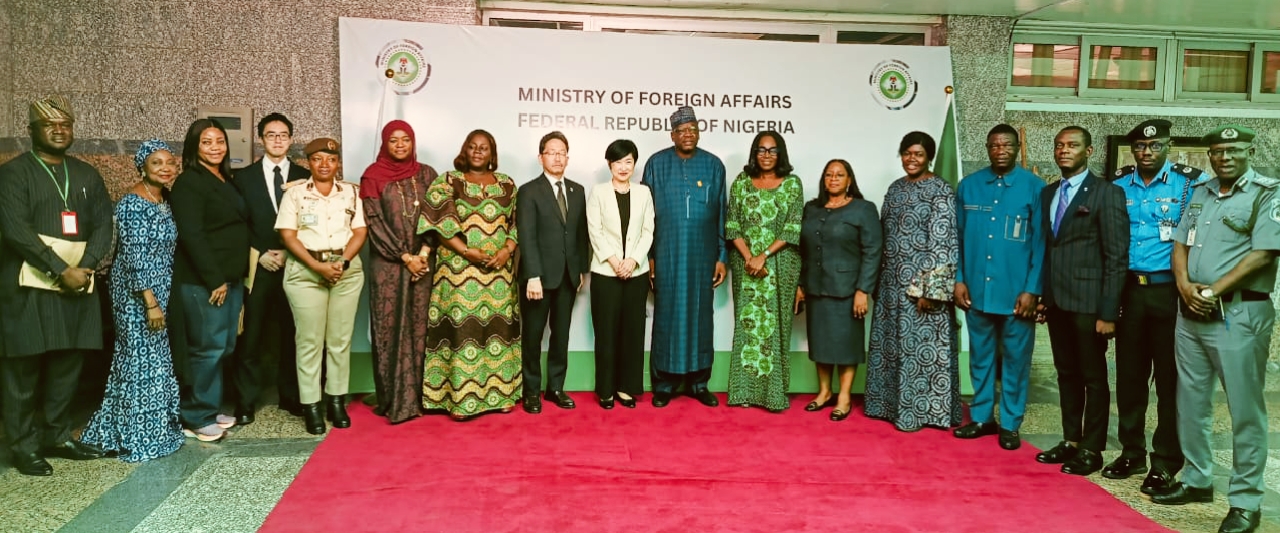
The commitment followed the successful conclusion of the 10th Nigeria-Japan Special Partnership Forum (NJSPF) held in Abuja on Thursday, August 27, 2026.
The forum, established in 2001 as a platform for regular bilateral consultations, was co-chaired by Ambassador Dunoma Umar Ahmed, Permanent Secretary, Ministry of Foreign Affairs, and Ms. Misako Takahashi, Assistant Minister and Director-General of the African Affairs Department, Japan’s Ministry of Foreign Affairs.
According to a statement signed by the spokesperson of the Ministry of Foreign Affairs, Oluwafemi Adeniyi, Nigeria used the forum to stress the need to transform its cordial relationship with Japan into tangible economic and developmental benefits for both countries.
Key areas of focus included investment, industrialisation, technology transfer, innovation, job creation and youth empowerment.
A major proposal from Nigeria was the establishment of a Nigeria-Japan Industrial and Investment Hub, designed to strengthen industrial partnerships, facilitate investment and enhance the access of Japanese companies to Nigeria and the wider African market.
Both sides also identified opportunities for expanded cooperation in renewable energy, critical minerals, infrastructure, agriculture, manufacturing, healthcare, digital technology, artificial intelligence and skills development.
Nigeria welcomed Japanese expertise and investment across the critical minerals value chain, while Japan expressed interest in developing resilient energy systems, strengthening mineral supply chains and expanding the presence of Japanese companies in Nigeria.
The forum further reviewed development cooperation through the Japan International Cooperation Agency (JICA), particularly in renewable energy, primary healthcare, infrastructure, urban development and waste management.
The two countries acknowledged administrative and implementation challenges affecting some JICA-supported projects and agreed on the need to ensure that approved programmes are implemented efficiently and deliver their intended development impact.
Nigeria and Japan also agreed on the importance of investing in their young populations through technical and vocational education, scholarships, research, innovation, ICT, artificial intelligence, sports, culture and the creative industries.
Both countries welcomed increased people-to-people exchanges and greater collaboration in the creative economy, particularly in film, music, animation and digital content.
They noted that these sectors could strengthen cultural understanding while creating new employment and entrepreneurial opportunities for young people.
Nigeria, Japan Discuss Regional Security
The forum also provided an opportunity for both sides to exchange views on regional and global developments, including violent extremism, security challenges in West Africa and the Sahel, and the role of ECOWAS in promoting regional peace and stability.
Nigeria and Japan reaffirmed their commitment to multilateralism and continued cooperation on United Nations reforms and international candidatures, including their respective bids for seats on the UN Security Council.
Consular and migration matters, including visa facilitation, were also discussed, with both countries emphasising the importance of facilitating business, official, educational and people-to-people exchanges while maintaining appropriate immigration procedures.
The two sides further agreed to strengthen cooperation in combating illicit drug trafficking and other forms of transnational crime.
At the conclusion of the forum, Nigeria and Japan agreed that the 10th NJSPF should mark a renewed phase in their bilateral relations, characterised by stronger economic engagement, deeper institutional cooperation and the translation of agreed priorities into concrete actions, clear responsibilities and measurable results.
Nigeria expressed appreciation to the Government and people of Japan for their longstanding partnership and contributions to the country’s socio-economic development.
The Federal Government also reaffirmed its readiness to work with Japan to advance shared interests and promote peace, stability, prosperity and sustainable development in Nigeria, Africa and the wider international community.