Centre for Security, Governance and Development Participates in Kaduna Election Security Dialogue
… Stakeholders Map Electoral Threats, Adopt Action Plan, Sign Peace Accord to Promote Violence-Free Elections
Oru Leonard
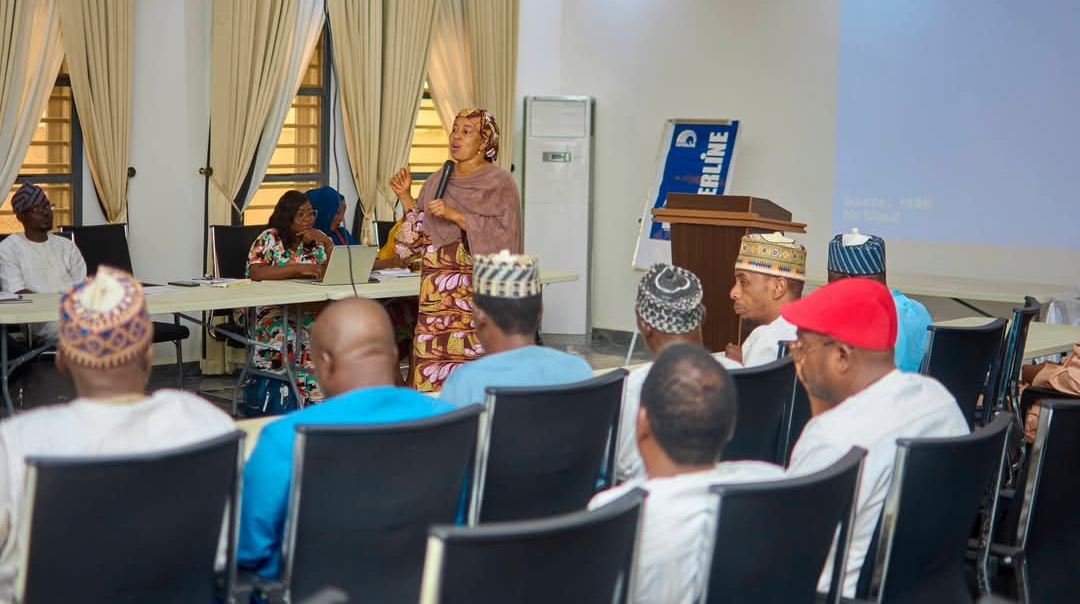
The Executive Director of the African Centre for Security, Governance and Development (Centre SGD), Theresa Chigozirim Odinkalu-Okoro, was among the experts who participated in the Citizens’ Engagement on Election Security organised by the CLEEN Foundation, with support from the Open Society Foundations, in Kaduna State.
The two-day engagement brought together a broad range of stakeholders, including community members, women’s groups, youth organisations, persons with disabilities, traditional and religious leaders, community-based security structures, civil society organisations, and representatives of conflict-affected communities, displaced and returning populations.
The initiative aimed to strengthen community participation in electoral security, identify potential threats to peaceful elections, and promote collaboration among citizens, security agencies, electoral authorities, political parties, and other relevant stakeholders.
During the first day’s session, participants engaged in a facilitated and participatory Community Election Security Threat Mapping exercise to identify election-related threats experienced during previous electoral cycles and assess potential risks ahead of future elections.
Discussions focused on identifying high-risk locations, including polling units, collation centres, political party offices, campaign routes, transit corridors, markets, and communities vulnerable to election-related violence.
Participants also examined the roles of institutions and stakeholders responsible for preventing, managing, and responding to electoral threats, while assessing risks across the pre-election, election-day, and post-election periods.
The exercise further identified early warning indicators and evaluated potential threats based on their likelihood, severity, and the vulnerability of affected communities.
At the end of the first day, participants developed a Community Election Security Threat Map, prepared a draft Community Election Security Action Plan, and nominated community representatives to present the findings and recommendations at the subsequent session.
Stakeholders Develop Charter of Demands
Building on the outcomes of the first day, the second day brought community representatives face-to-face with key security and electoral institutions, including the Nigeria Police Force, Nigeria Security and Civil Defence Corps (NSCDC), Department of State Services (DSS), Nigerian Army, and the Independent National Electoral Commission (INEC).
Representatives of political parties, traditional and religious institutions, civil society organisations, election observer groups, and the media also participated in the engagement.
Community representatives presented the Community Election Security Threat Map, highlighting priority concerns and threats identified during the consultations.
These concerns were subsequently developed into a Charter of Demands and presented to stakeholders, providing a platform for communities to communicate their security needs and expectations directly to relevant authorities.
In response, security agencies, INEC, and political party representatives outlined measures and strategies to address identified risks throughout the electoral cycle.
Through facilitated working sessions, participants agreed on practical commitments to improve inter-agency coordination, strengthen communication channels, enhance response mechanisms, and protect vulnerable groups during elections.
Political Parties Sign Peace Accord
A major highlight of the engagement was the presentation and public signing of the Political Parties’ Peace Accord, witnessed by representatives of security agencies, INEC, traditional and religious leaders, civil society organisations, the media, and community groups.
The signing demonstrated a collective commitment by participating stakeholders to peaceful political participation, credible elections, and the prevention of electoral violence in Kaduna State.
The forum also concluded with the adoption of the Community Election Security Action Plan and agreement on follow-up and monitoring mechanisms to ensure that commitments made during the engagement translate into practical action.
Media engagement formed part of the concluding activities, with the aim of amplifying stakeholders’ commitments and recommendations and promoting public awareness of the importance of peaceful elections.
Key Outcomes of the Engagement
The Citizens’ Engagement on Election Security recorded several key outcomes, including:
- Adoption of a Community Election Security Action Plan to guide collaborative efforts towards preventing and responding to electoral threats.
- Documented commitments from security agencies and INEC to address identified election security concerns.
- Signing of the Political Parties’ Peace Accord as a demonstration of commitment to peaceful electoral competition.
- Establishment of a state-level monitoring and follow-up mechanism to track implementation of agreed commitments.
- Development of a Community Election Security Threat Map and Charter of Demands to communicate community concerns and priorities to relevant authorities.
The engagement underscored the importance of inclusive dialogue, community participation, early warning systems, and coordinated responses in preventing electoral violence and protecting the integrity of the democratic process.
For the African Centre for Security, Governance and Development, participation in the engagement reflects the importance of collaborative approaches to security sector governance, conflict prevention, democratic accountability, and sustainable development.
The initiative also reinforced the need to ensure that communities, particularly vulnerable populations and those affected by conflict, are actively involved in identifying security challenges and shaping solutions that affect their safety and democratic participation.
Through sustained dialogue and shared responsibility, stakeholders reaffirmed their commitment to strengthening community participation, promoting peaceful elections, and advancing democratic governance in Kaduna State.
The engagement represents a step towards building a more inclusive and responsive election security framework in which citizens, political actors, security institutions, and electoral authorities work together to safeguard electoral integrity and prevent violence.