Africa’s Youth Must Be Given a Stake in Peacebuilding – UFO Ghana
Maryam Aminu
The Universal Friendship Organisation (UFO), Ghana has urged African leaders to stop treating young people merely as beneficiaries of peace and instead give them a meaningful role in shaping the decisions that affect their future.
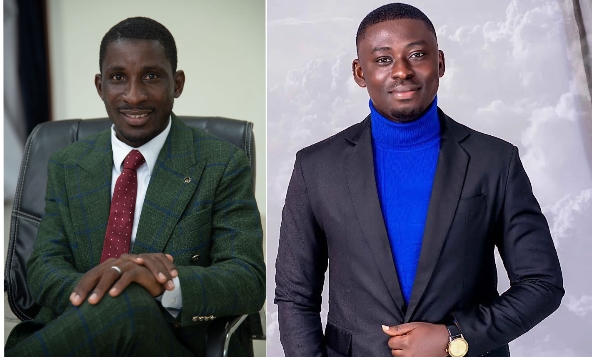
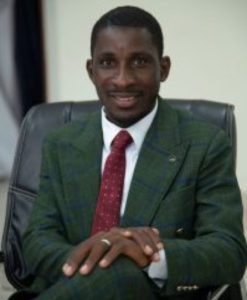
President and Founder of UFO Ghana, Mr Samuel Adobah, made the call in a World Peace Day interview, warning that a generation facing unemployment, inequality and limited opportunities could become vulnerable to manipulation if its frustration was ignored.
Adobah, however, rejected the portrayal of young people as a threat to peace, describing them instead as Africa’s greatest untapped resource for building a more peaceful continent.
“Young people are not the problem; they are the solution that is yet to be fully harnessed,” he said.
According to him, frustration becomes dangerous when young people have nowhere to channel their energy.
He therefore called for greater investment in entrepreneurship, digital skills, education and youth participation in decision-making, saying young Africans should be given the opportunity to contribute meaningfully to their communities rather than being left on the margins.
“We must convert that energy into innovation,” he said, urging young people not to wait passively for opportunities but to develop skills and create opportunities for themselves and others.
Adobah said UFO Ghana had made youth empowerment part of its peacebuilding approach because economic empowerment and social inclusion could help reduce the conditions that make young people susceptible to manipulation and conflict.
He cited the organisation’s collaboration with institutions including the Centre for Intelligence and Security Analysis (CISA), UNIMAC-IJ and Helping Africa Foundation USA, through which it had supported initiatives aimed at equipping young people with practical and entrepreneurial skills.
“An empowered youth is a peaceful youth,” he said.
The UFO Ghana president also cautioned that Africa’s peace challenges could not be addressed through security measures alone.
He identified the combination of youth unemployment, political polarisation and misinformation as a particular concern, saying the problems could feed into one another.
He explained that a young person already frustrated by economic hardship could easily be influenced by false information or inflammatory political messages, particularly on social media.
“Misinformation, especially on social media, inflames political and ethnic passions faster than the truth can catch up,” he said.
Adobah called for stronger digital literacy and responsible media use, urging citizens to verify information before sharing it.
He also challenged political actors to ensure that political competition did not turn citizens against one another.
“Peace must not be partisan,” he said.
Peace starts before conflict
For UFO Ghana, peacebuilding must begin before violence breaks out.
Adobah said the organisation had been promoting dialogue, peace education, community engagement and advocacy as part of efforts to identify tensions early and prevent them from escalating.
He said traditional rulers, religious leaders, youth organisations, women’s groups, civil society organisations and security agencies all had important roles to play in identifying early warning signs and creating channels for peaceful intervention.
He stressed that the ability to talk to one another could sometimes prevent disagreements from becoming crises.
“Governments sign peace treaties, but ordinary people build peace,” he said.
Adobah said this was also why UFO Ghana promoted friendship across ethnic, religious and national boundaries.
He noted that people who develop genuine relationships with one another are less likely to accept stereotypes or misinformation about those communities.

The organisation is also looking beyond Ghana.
Adobah called for stronger cooperation between Ghanaian and Nigerian organisations, particularly in creating opportunities for young people to connect, learn and work together.
He proposed youth exchange programmes, cross-border peace forums, entrepreneurship initiatives, intercultural dialogue and joint campaigns against hate speech, misinformation and political violence.
“Ghana and Nigeria are brothers, separated by borders but united by destiny,” he said.
He disclosed that UFO Ghana was interested in establishing its presence in Nigeria and collaborating with relevant organisations across the country.
According to him, such partnerships could provide young Africans with platforms to exchange ideas and develop practical solutions to challenges affecting their communities.
Also speaking, Mr Mark Acheampong, Executive Member of UFO Ghana, said young people should not be expected to defend peace while being excluded from conversations about their future.
“You cannot continuously tell young people to protect peace while excluding them from conversations about their future,” Acheampong said.
He urged young Africans to reject political violence, verify information before sharing it and use their influence in their communities and on social media to build bridges rather than deepen divisions.
Acheampong said Ghana’s relative peace had been supported by democratic institutions, regular elections, constitutional governance, civil society, the media and the contributions of traditional and religious leaders.
He also stressed that peace must be continuously protected.
“We cannot wait until conflict begins before we start talking about peace,” he said.
‘Without peace, there is no development’
As Africa reflects on the meaning of World Peace Day, Adobah said peace should not be regarded as a once-a-year conversation.
“Without peace, there is no development. We must preach peace every day, everywhere,” he said.
He urged African leaders to create conditions that allow young people to participate, innovate and pursue their ambitions without being exploited by political or violent interests.
To young Africans who feel frustrated or unheard, he had a simple message: demand accountability, justice and opportunity but do so without destroying the communities they hope to improve.
“Your ideas, your innovation, your votes, and your peaceful organising are louder than any gunshot,” he said.
Adobah said Africa’s peace would ultimately depend not only on what governments do, but also on what citizens choose to do with their differences.
“Let us choose friendship over hatred, dialogue over violence, and unity over division. Peace is a shared responsibility,” he said.