Afenifere, Ohanaeze, Middle Belt, PANDEF, NCEF Seek Common Front on Constitutional Restructuring Ahead of 2027
Oru Leonard
Nigeria’s major socio-cultural organisations, alongside the National Christian Elders Forum (NCEF), are moving towards a common position on constitutional restructuring as political activities ahead of the 2027 general elections gather momentum.
This was disclosed in a statement by Citizen Bolaji O. Akinyemi following a strategic meeting held in Abuja on July 28, 2026, involving leaders of Afenifere, Ohanaeze Ndigbo, the Middle Belt Forum, PANDEF and the National Christian Elders Forum.
Addressing the meeting, NCEF Chairman, Samuel Danjuma Gani, called on the regional organisations to unite in pursuing a new constitutional order anchored on true federalism before the 2027 general elections.
According to the statement, the meeting built on an earlier engagement in March 2026, during which participants examined the forthcoming elections and the need for what the Forum described as a “people’s constitution.”
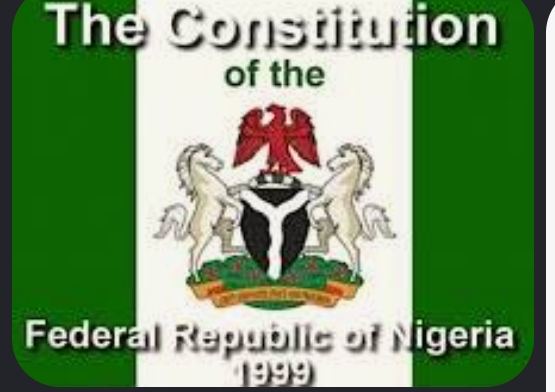
The NCEF argued that the 1999 Constitution, as amended, originated as a military decree designed to facilitate Nigeria’s transition to civilian rule rather than a constitution negotiated by the country’s indigenous ethnic nationalities. It maintained that repeated amendments had failed to address what it described as the document’s fundamental shortcomings.
The Forum proposed the adoption of constitutional principles contained in the 1963 Republican Constitution, describing it as the product of broad consultations among Nigeria’s ethnic nationalities and a framework that reflected genuine federalism by granting substantial autonomy to federating units while preserving a strong central government.
According to the statement, the Forum believes the 1963 constitutional framework could serve as the foundation for a modern constitution that reflects contemporary realities while addressing longstanding governance, security and political challenges.
The meeting also called for governance to be reorganised around Nigeria’s indigenous ethnic nationalities instead of the current three-tier structure of the Federal Government, states and local government areas established under military rule.
In a move aimed at broadening support for constitutional reform, the NCEF urged Afenifere, Ohanaeze Ndigbo, PANDEF and the Middle Belt Forum to engage other regional bodies, including the Northern Elders Forum (NEF) and the Arewa Consultative Forum (ACF), to build national consensus on restructuring.
The Forum further proposed collaboration with advocacy groups such as the Movement for National Reformation (MNR), The Rebirth Group (TRG), Nigerian Indigenous Nationalities Alliance for Self-Determination (NINAS) and The Patriots to consolidate ongoing constitutional reform campaigns into a coordinated national platform.
One of the key recommendations emerging from the meeting was that Nigeria should avoid conducting the 2027 general elections under the existing constitutional framework if meaningful political reforms are to be achieved. The Forum urged the Presidency and the National Assembly to initiate processes aimed at restoring the principles of true federalism while facilitating the emergence of a broadly negotiated constitution.
The statement noted that while such reforms would require significant political commitment, participants argued that postponing constitutional restructuring could worsen Nigeria’s governance and security challenges.
The meeting underscored the growing prominence of constitutional reform in Nigeria’s pre-2027 political discourse, with participants expressing the view that the country’s long-term stability and development depend on the constitutional framework guiding its governance.