Adebiyi Sets Three-Year Durability Standard, Orders Local Engineers’ Training for Railway Facilities
Oru Leonard
The Permanent Secretary of the Federal Ministry of Transportation, Engr. Funso Adebiyi, has directed contractors handling railway projects across the country to guarantee durable infrastructure, sustainable maintenance and comprehensive training for Nigerian engineers before handing over facilities to the Nigerian Railway Corporation (NRC).
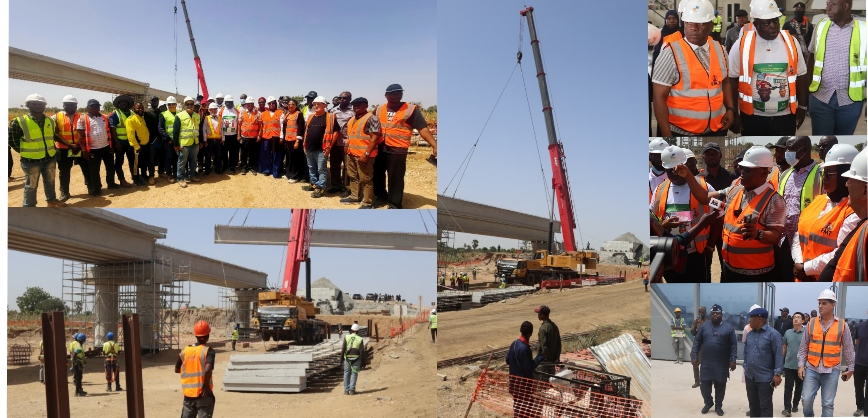
Adebiyi gave the directive on Friday, October 16, 2026, during a joint fact-finding inspection of the ongoing construction of the Kano Railway Station.
The inspection was attended by key ministry officials, agency representatives and the Senior Special Assistant to the President on Transportation and Mobility, Prince Ademola Adetokunbo Ade-John.
The Permanent Secretary emphasised the need for quality infrastructure and sustainable maintenance arrangements, insisting that railway facilities must deliver long-term value for public funds.
He specifically rejected the use of short-lived consumables, directing contractors to ensure that bulbs and light fittings have a minimum lifespan of three years. He also called for customised lamp holders and mobile motorised equipment to enable easy replacement and maintenance by local personnel.
Adebiyi further instructed contractors to provide mechanised cleaning equipment for maintaining the terminal’s glass structures, taking into consideration the effects of thermal expansion and contraction.
He also cautioned against excessive dependence on diesel-powered generators and expensive energy solutions that could undermine the sustainability of railway operations.
To strengthen local technical capacity and reduce dependence on foreign contractors, the Permanent Secretary directed the NRC management to organise an intensive, month-long practical training programme for young Nigerian engineers.
The directive was conveyed to the NRC Managing Director, Dr. Isiak Kayode Opeifa, who was represented at the inspection by the Director of Corporate Planning, Dr. James Zang.
According to Adebiyi, the training programme must cover facility operations, replacement of consumables and established maintenance procedures, equipping participants with the practical skills required to manage railway infrastructure effectively.
He stressed that the training must be conducted locally and structured to include rigorous assessments, including computer-based examinations.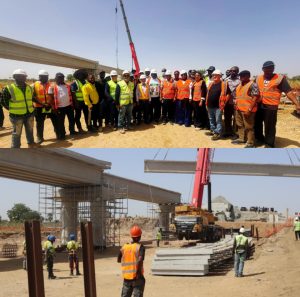
The Permanent Secretary warned that staff who fail the assessments would face appropriate consequences in accordance with applicable Civil Service regulations.
He further stated that priority should be given to qualified engineers aged 35 and below, with at least 20 years remaining in service, to ensure continuity, accountability and career development within the railway system.
Adebiyi reaffirmed the Federal Government’s commitment to sustainable infrastructure development, stressing that railway projects must incorporate effective technology transfer and establish a clear maintenance framework before being handed over to the NRC.
He maintained that Nigerian professionals must be adequately equipped to operate, maintain and protect the country’s railway assets, adding that infrastructure development should go beyond construction to include long-term sustainability and the development of indigenous technical expertise.
The ministry said the measures were aimed at ensuring that railway infrastructure delivers value for taxpayers’ money while strengthening the capacity of Nigerian engineers to manage and maintain critical national assets.
(FMOT Press, 17/10/2026 )