Will NACCIMA Visit Ancient Iron-Smelting Site in Lejja, Nsukka? — Uchenna Queries
Oru Leonard
The recent $125,000 grant by the United States Government to preserve and digitally document the ancient Lejja iron-smelting site in Nsukka, Enugu State, has renewed calls for greater Nigerian business and institutional interest in the historic site.
Against this backdrop, Uchenna Nnadi, a public affairs analyst has raised a pertinent question: Will the Nigerian Association of Chambers of Commerce, Industry, Mines and Agriculture (NACCIMA), visit the ancient iron-smelting site in Lejja, Nsukka, and explore its potential economic and cultural value?
The United States grant, awarded under the U.S. Ambassadors Fund for Cultural Preservation (AFCP), is being implemented by the Centre for Memories through the “Nchekwaba: Lejja Iron-Smelting” project.
The initiative will support the conservation of the site, three-dimensional digital documentation, physical preservation and recording of endangered oral histories and traditional knowledge associated with Lejja’s iron-working heritage.
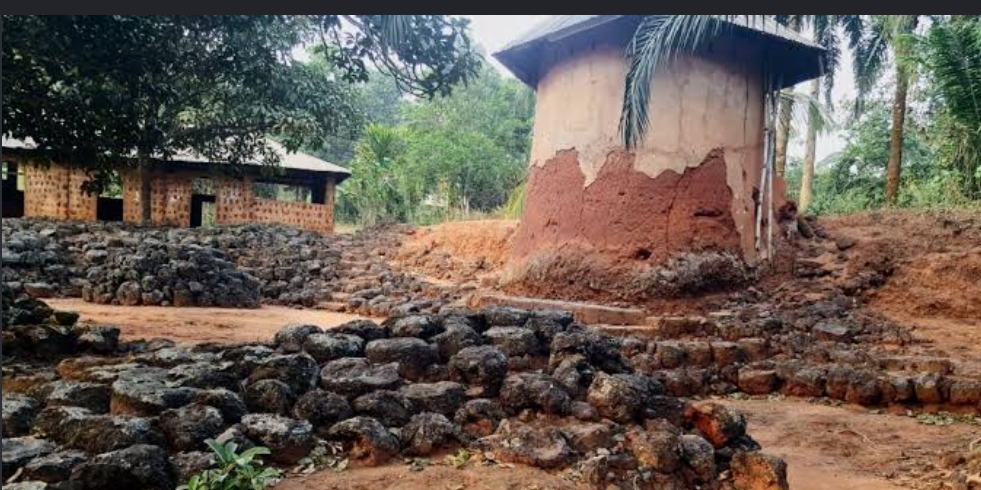
Lejja has attracted significant archaeological interest because of extensive remains associated with ancient iron production, including furnaces, iron ore, tuyères and large quantities of slag. Recent research has found evidence of iron smelting at the site extending over more than 2,000 years.
While the site is sometimes described as one of the world’s oldest iron-smelting locations, researchers have noted that some of the earliest radiocarbon dates associated with Lejja remain subject to scholarly debate. What is not in doubt is its importance to understanding the history of iron technology and technological innovation in southeastern Nigeria.
The U.S. Consul General, Brandon Hudspeth, described Lejja as evidence of a 4,000-year history of Nigerian ingenuity, innovation and technological sophistication, while noting that the United States has invested approximately $1.2 million in cultural heritage preservation projects in Nigeria over the past five years.
The development has also attracted the attention of the Enugu State Government. Deputy Governor Ifeanyi Ossai said the state was preparing an Executive Bill to provide a legal framework for the protection, preservation and administration of the archaeological site.
It is against this background that Uchenna’s question on NACCIMA assumes significance.
A visit by NACCIMA could provide an opportunity for the organised private sector to examine how the ancient industrial heritage could contribute to cultural tourism, research, education, creative industries, hospitality, local enterprise and community development.
NACCIMA could also engage the Centre for Memories, Enugu State Government, traditional custodians, archaeologists, the National Commission for Museums and Monuments and the University of Nigeria, Nsukka, on ways to connect heritage preservation with economic development.
The Centre for Memories has said the project is not about claiming the discovery of Lejja, noting that researchers, traditional custodians and community members have worked on the site for decades. The current initiative is intended to bring those efforts together and create the institutional and technical framework required to preserve and share Lejja’s heritage with the world.
For Uchenna, therefore, the question goes beyond whether NACCIMA should simply pay a courtesy visit.
It is about whether Nigeria’s organised business community can recognise ancient technological heritage as an economic asset and participate in developing a sustainable value chain around it.
If properly preserved and developed, Lejja could become a destination for researchers, students, tourists and cultural enthusiasts, while creating opportunities for surrounding communities.
The U.S. intervention has placed Lejja firmly on the international heritage map.
The question now is whether NACCIMA will take up the invitation—formally or informally—to see for itself what may well be one of Nigeria’s most remarkable records of ancient technological ingenuity.
Cover Photo Caption: Side view of Lejja iron-smelting site in Nsukka, Enugu State.