DNA Test Confirms Unidentified Body Was Missing Journalist Pelumi
Oru Leonard
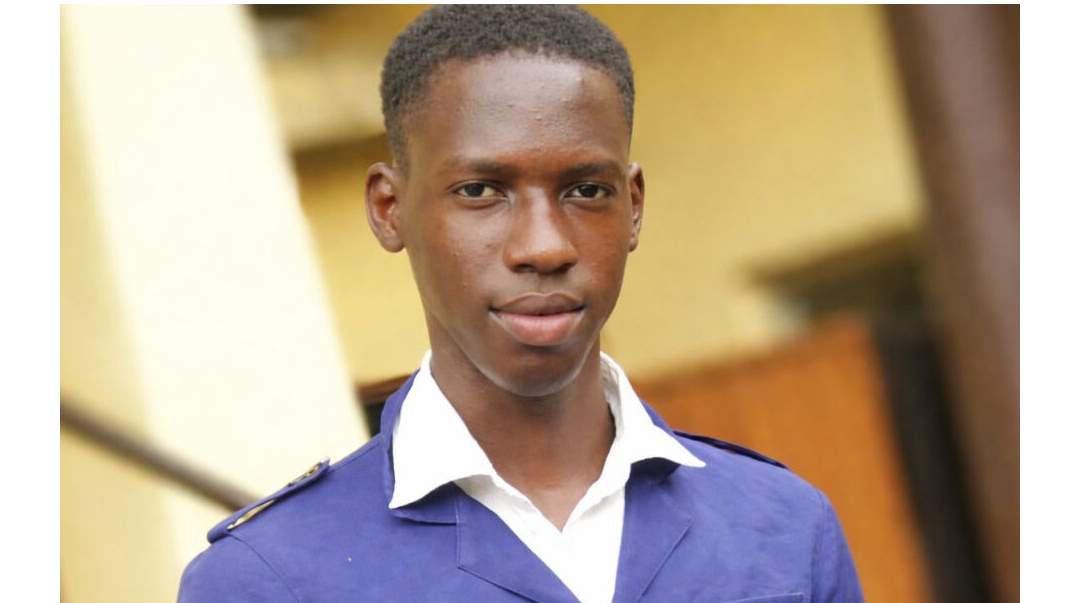
LAGOS, June 24, 2026 — A DNA test result presented before a Lagos Coroner Court has confirmed that a previously unidentified body is that of late journalist Pelumi Onifade, bringing a significant breakthrough in the long-running investigation into his death during the #EndSARS protests of October 2020.
The confirmation emerged during proceedings on Tuesday at the Coroner Court investigating the circumstances surrounding Onifade’s death. The young journalist, who worked with Gboah TV, was reportedly shot and arrested while covering the protests on October 24, 2020, before subsequently going missing.
An emotional scene unfolded in court as Mrs. Adebose Onifade, mother of the deceased journalist, broke down in tears after the investigating magistrate and coroner, Mrs. Temitope Oladele, announced that a sealed report from the Lagos State DNA and Forensic Centre had established a genetic match between an unidentified body and the DNA sample she provided.
According to the coroner, the forensic analysis confirmed that Mrs. Onifade is the biological mother of the deceased, thereby establishing the identity of the body and ending years of uncertainty over her son’s fate.
The inquest was ordered following a judgment delivered on July 19, 2024, by Justice Ayokunle Olayinka Faji of the Federal High Court in Lagos. The court had directed the Attorney-General to investigate the circumstances surrounding Onifade’s death and conduct a coroner’s inquest to determine the cause of death and identify those responsible.
The case stems from a wrongful death suit filed by Media Rights Agenda (MRA) against the Nigeria Police and the Lagos State Government, seeking accountability over the journalist’s disappearance and death.
At an earlier sitting on May 22, 2026, the coroner ordered the Chief Medical Examiner of the Department of Pathology and Forensic Medicine at the Lagos State University Teaching Hospital (LASUTH) to submit the autopsy report of a body identified as Tag No. 1385 within 21 days. The body was among six received by the hospital on November 3, 2020, and subjected to post-mortem examinations.
The court also directed the Lagos State DNA and Forensic Centre to submit the DNA test results relating to the same body after LASUTH disclosed that DNA samples from unidentified bodies and reference samples from families of missing persons during the #EndSARS protests had been forwarded to the centre for identification.
During Tuesday’s proceedings, counsel to MRA and the Onifade family, Mr. Alimi Adamu, informed the court that both institutions had been served with the orders and sought clarification on their compliance status.
While the coroner confirmed receipt of the DNA report, she disclosed that LASUTH had yet to submit the requested autopsy report. She acknowledged the pressure faced by the hospital but expressed the view that the autopsy should have been completed and forwarded by now.
Adamu, however, argued that Pelumi’s family had waited too long for answers and closure, stressing that repeated delays in compliance with court directives were unacceptable.
The proceedings featured extensive exchanges between the lawyer and the coroner, with Adamu highlighting persistent police denials of responsibility and growing public concern over the circumstances of the journalist’s disappearance and death while carrying out his professional duties.
The coroner ultimately directed that a final administrative reminder be sent to LASUTH and advised the legal team to engage directly with hospital officials to facilitate compliance. She warned that if the outstanding autopsy report is not produced, the court may invoke its full powers to compel compliance, including taking action against responsible officials.
The matter was adjourned until July 7, 2026, for further proceedings.
Media Rights Agenda described the DNA confirmation as a critical development in the quest for justice and accountability in the death of the journalist, whose case has become a symbol of broader concerns about press freedom and the protection of journalists in Nigeria.