MRA Demands Comprehensive Whistleblower Protection Law in Nigeria
Oru Leonard
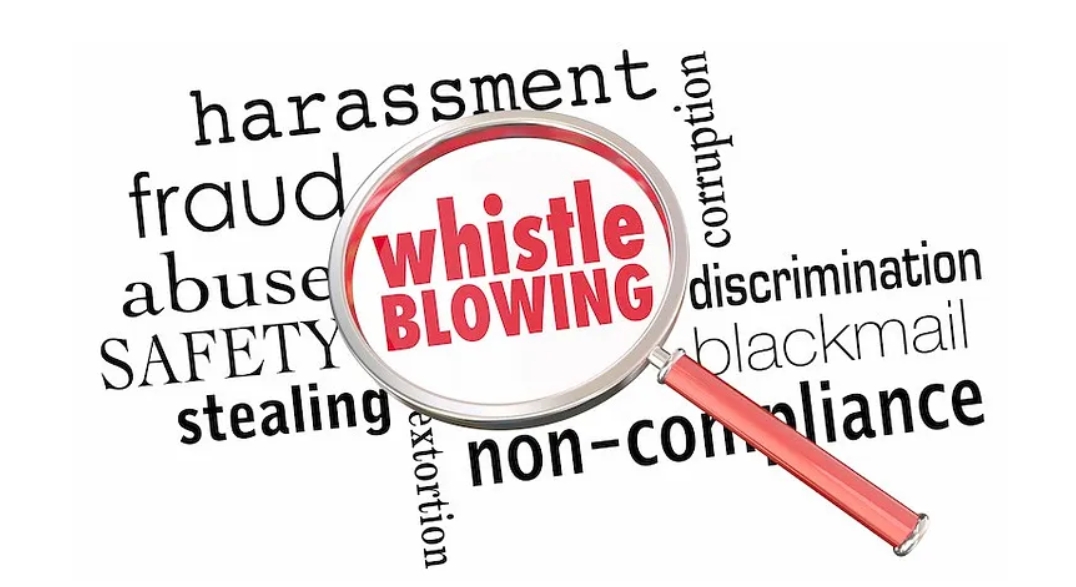
The Media Rights Agenda (MRA), has called on the Federal Government and other stakeholders to urgently enact a comprehensive whistleblower protection law that aligns with international standards, warning that individuals who expose wrongdoing in Nigeria continue to face intimidation, harassment, dismissal from employment, legal action, and even physical harm.
The organisation made the call in a statement issued in Lagos to commemorate the 2026 World Whistleblower Day, celebrated globally in recognition of the critical role whistleblowers play in promoting transparency, accountability, integrity, and good governance.
MRA’s Programme Officer, Ms. Adesewa Akintokun, expressed concern that Nigeria still lacks a robust legal framework to provide effective and enforceable protection for whistleblowers. She noted that while various policy measures have been introduced over the years to encourage the reporting of corruption and misconduct, they remain insufficient without legislation that guarantees confidentiality, protection against retaliation, access to remedies, and support mechanisms for those who disclose information in the public interest.
According to her, whistleblowers often serve as the first line of defence against corruption, fraud, abuse of office, human rights violations, environmental harm, and threats to public health and safety.
“Whistleblowers play a critical role in exposing corruption, fraud, abuse of office, human rights violations, threats to public health and safety, environmental harm, and other forms of wrongdoing that undermine democratic governance and the public interest,” Akintokun said.
She stressed that despite their contributions, many whistleblowers continue to suffer reprisals, creating a climate of fear that discourages others from reporting misconduct.
MRA argued that whistleblower protection is closely linked to the rights to freedom of expression, access to information, and media freedom, noting that individuals who expose wrongdoing contribute significantly to informed public discourse and help citizens hold institutions accountable.
The organisation urged public institutions, private companies, civil society groups, and professional bodies to establish internal policies that encourage the reporting of wrongdoing and protect individuals who raise concerns in good faith. It also called for the creation of secure and trusted reporting mechanisms as part of efforts to strengthen institutional integrity and combat corruption.
The group further appealed to journalists and media organisations to continue reporting responsibly on disclosures made in the public interest while taking adequate measures to protect confidential sources.
“A society that values accountability must also value and protect those who have the courage to expose wrongdoing,” Akintokun stated, calling for collective action to create an environment where whistleblowers can speak out without fear of retaliation.
MRA also paid tribute to whistleblowers in Nigeria and across the world whose disclosures have helped safeguard public resources, strengthen institutions, and advance accountability, describing their actions as vital to the promotion of openness and transparency in democratic societies.
The organisation said any future whistleblower protection legislation should include secure reporting channels, safeguards for whistleblowers in both the public and private sectors, independent investigation of disclosures, and effective sanctions against individuals or institutions that retaliate against whistleblowers.