Edo Govt, Power Sector Players Unite to Address Lingering Electricity Challenges
Oru Leonard
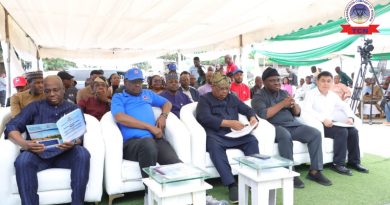
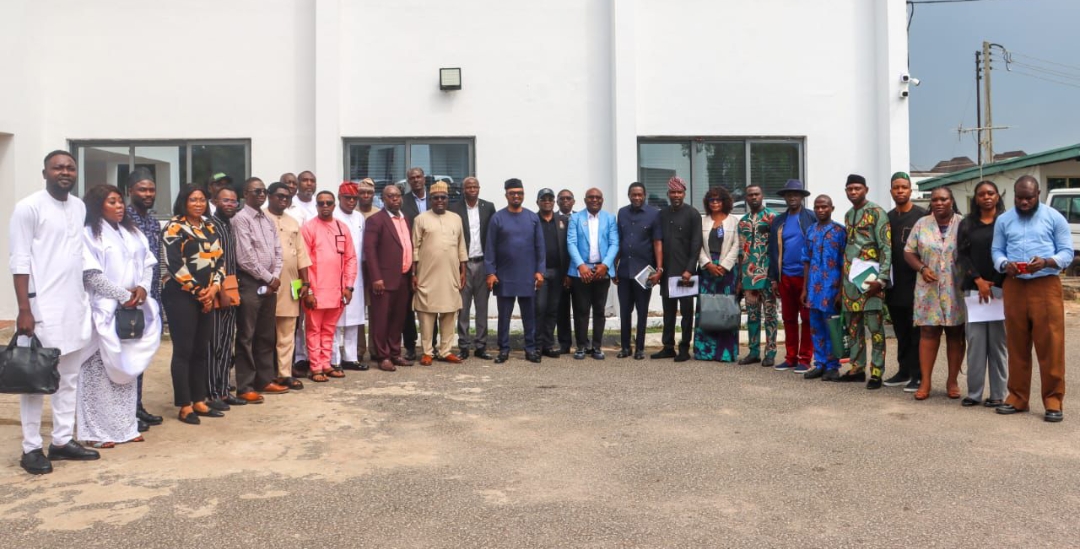
The Edo State Government has convened a high-level stakeholders’ meeting to address persistent electricity supply challenges, bringing together major players across Nigeria’s power sector to chart a path toward more stable power in the state.
The engagement, organised by the Edo State Ministry of Power, held at the Conference Hall of the Office of the Secretary to the State Government (SSG) in Government House, Benin City, on April 30, 2026. It drew participation from the Transmission Company of Nigeria (TCN), Benin Electricity Distribution Company (BEDC), generation companies, regulators, and community representatives.
Speaking at the meeting, the General Manager of TCN’s Benin Region, Engr. Charles Iwuamadi, described the transmission company as a critical link in the electricity value chain, responsible for wheeling bulk power from generation companies to distribution companies nationwide.
He noted that while Nigeria’s generation capacity has stagnated between 4,500MW and 5,000MW for over two decades, transmission infrastructure—both nationally and within Edo State—has continued to expand and remains capable of handling increased load.
Iwuamadi highlighted ongoing projects aimed at strengthening power transmission in the Benin axis, including the recently commissioned Ihovbor–Ajaokuta Transmission Line 1, designed to evacuate electricity from Benin to Ajaokuta and onward to Abuja. He also referenced the ongoing turn-in-turn-out project at the Irrua Transmission Substation, expected to further boost bulk power delivery upon completion.
According to him, TCN operates an N-1 contingency system within the region, ensuring alternative transmission routes in the event of faults, thereby enhancing supply reliability. He added that the Benin axis benefits from proximity to major generation sources such as the Azura Power Plant, enabling quicker restoration of supply during disruptions.
However, the TCN boss raised concerns over persistent vandalism and encroachment on transmission infrastructure, warning that such activities continue to undermine capacity expansion efforts. He called for stronger collaboration with the Edo State Government and host communities to safeguard critical assets.
He also urged authorities to address encroachments on transmission corridors, stressing that compensation had been duly paid before the installation of towers and lines. According to him, damage to these facilities often leads to prolonged outages and costly repairs.
While acknowledging efforts by security agencies, including the DSS and NSCDC, in arresting suspected vandals, Iwuamadi said more proactive measures were needed to deter further sabotage.
On operational efficiency, he emphasized TCN’s strict preventive maintenance regime and urged distribution companies to adopt similar standards to improve service delivery at the consumer level.
Also speaking, the Assistant General Manager, System Operations, Engr. Patrick Amos, clarified that TCN’s role is limited to transmitting electricity to distribution companies’ load centres, noting that supply to end users falls under the purview of distribution companies.
The meeting featured contributions from representatives of BEDC, Niger Delta Power Holding Company (NDPHC), Azura Power, GTL Power Ltd, the Nigerian Independent System Operator (NISO), Meter Asset Providers (MAPs), as well as civil society and community groups.
Stakeholders at the forum underscored the need for coordinated action across the power value chain to address longstanding inefficiencies and deliver more reliable electricity to residents and businesses in Edo State.