Between Promise and Reality: Policing Plateau State and the Test of CP Bassey Ewah
By Citizen Bolaji O Akinyemi
Plateau State Security Profile: A Theatre of Recurrent Fragility
Plateau State remains one of Nigeria’s most volatile theatres of ethno-religious violence, communal reprisals, and rural banditry. The recurring cycles of killings—especially in Jos North, Barkin Ladi, Riyom, and Bokkos—have exposed a pattern: violence is predictable, yet prevention is weak.
The policing crisis in Plateau is not merely about capacity; it is about failure of intelligence-led policing, weak deterrence, and absence of justice. Communities often complain of:
Delayed response to distress calls
Poor rural policing architecture
Lack of arrests and prosecutions after mass killings
Perceived bias or compromise within security structures
This has created a dangerous vacuum where citizens no longer trust the state’s monopoly of violence, and self-help tendencies grow.
The Policing Question: Structural Failures
The Nigeria Police framework in Plateau suffers from three critical defects:
a. Reactive Policing Culture
Security agencies arrive after attacks, count casualties, and promise investigations. Preventive intelligence is weak.
b. Urban-Centric Deployment
Police presence is concentrated in Jos metropolis, leaving rural communities exposed.
c. Weak Inter-Agency Coordination
Though collaboration is often promised, operational synergy between police, military, and DSS remains inconsistent.
These failures raise a fundamental concern: Is policing in Plateau designed to secure lives—or merely to manage crises?
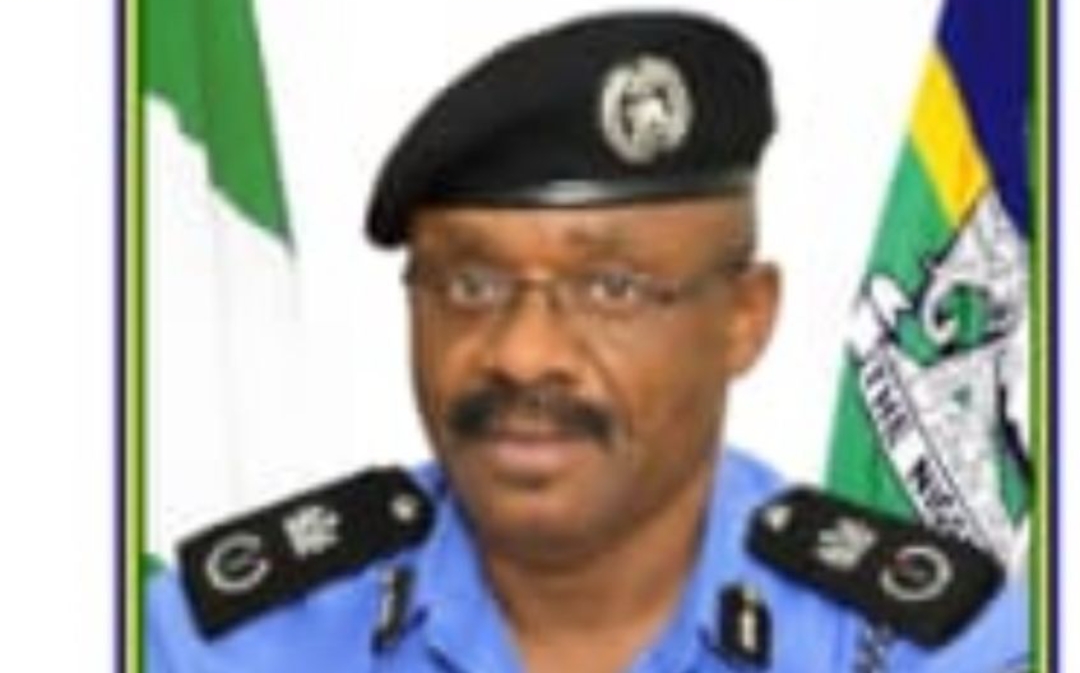
Profile of CP Bassey Ewah: Formation of a Career Officer
Bassey Ewah emerges as a seasoned officer with over three decades in the Nigeria Police Force. He joined the force in 1992 and has served across multiple commands including Lagos, Rivers, Anambra, Enugu, and Taraba.
Key elements of his profile:
Operational Depth: About 15 years in the Mobile Police Force (MOPOL), rising to Squadron Commander level
Command Experience: Served as Area Commander and Assistant Commissioner of Police (Operations)
Institutional Exposure: Instructor at the Police Staff College, Jos; Deputy Commandant, Police Academy, Wudil
Strategic Role: Former Force Provost Marshal at Force Headquarters
This blend of field operations, training, and discipline enforcement positions him as more than a routine posting.
His Posting to Plateau: Coincidence or Strategic Deployment?
Plateau is not an ordinary command—it is a conflict zone requiring hybrid policing (civil, paramilitary, intelligence-driven).
Ewah’s background suggests a deliberate choice:
MOPOL experience → suited for high-risk environments
Training background → capacity to reform internal discipline and doctrine
Provost Marshal role → emphasis on accountability within the force
His appointment signals an expectation: restore operational discipline and rebuild public trust.
Landmark Contributions in Previous Roles (Inferred Strengths)
While publicly documented “headline achievements” are limited (a common opacity in Nigerian policing), his career trajectory reveals institutional confidence:
Trusted with training future officers → indicates doctrinal competence
Elevated to Deputy Commandant of Police Academy → leadership grooming role
Served in multi-state conflict-prone environments → exposure to diverse security threats
These suggest a pattern: he is a system man, not a political policeman.
Why He May Succeed in Plateau
Ewah’s likelihood of success rests on three factors:
1. Operational Experience in Conflict Zones
Having served in volatile states, he understands asymmetrical threats and communal conflict dynamics.
2. Training-Oriented Leadership
His instructional background could translate into capacity-building within the command, improving response quality.
3. Emphasis on Collaboration
He has pledged community engagement and inter-agency cooperation, critical in Plateau’s fragmented security environment.
Why He May Fail (If Nothing Changes Systemically)
However, his success is not guaranteed. The constraints are systemic:
Centralized policing structure limits initiative
Political interference in security operations
Lack of prosecution of perpetrators (justice deficit)
Inadequate manpower and logistics for rural policing
Without structural reform, even the most competent CP risks becoming another voice making promises in a graveyard of broken assurances.
The Real Test: From Words to Deterrence
His statement—
“Monsters in human skin will fail”
—sets a moral tone. But Plateau does not need rhetoric; it needs deterrence.
The true test of his tenure will be:
Are attackers arrested and prosecuted?
Are rural communities protected before attacks occur?
Does intelligence disrupt violence proactively?
Does public trust in the police improve?
Conclusion: The Burden of Command
CP Bassey Ewah steps into Plateau not just as a police commissioner, but as a custodian of hope in a wounded land.
If he succeeds, it will not be because he made promises—but because he changed the policing culture from reaction to prevention, from presence to protection, and from authority to justice.
If he fails, it will confirm a painful truth:
Nigeria does not yet lack capable officers—it lacks a system that allows them to succeed.
Those who know him understand the weight of discipline and duty he carries. As he assumes this office, one can only wish him the strength and courage to match the enormity of the task before him. Plateau must know peace—and under his watch, it must not be a promise, but a reality.