Industrial Harmony Critical to National Development – Dingyadi
Oru Leonard
The Honourable Minister of Labour and Employment, Dr. Mohammed Maigari Dingyadi, has emphasized that Nigeria’s economic growth and national development depend largely on industrial harmony and the collective commitment of workers and employers.
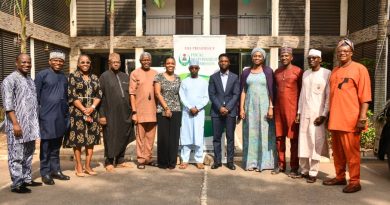
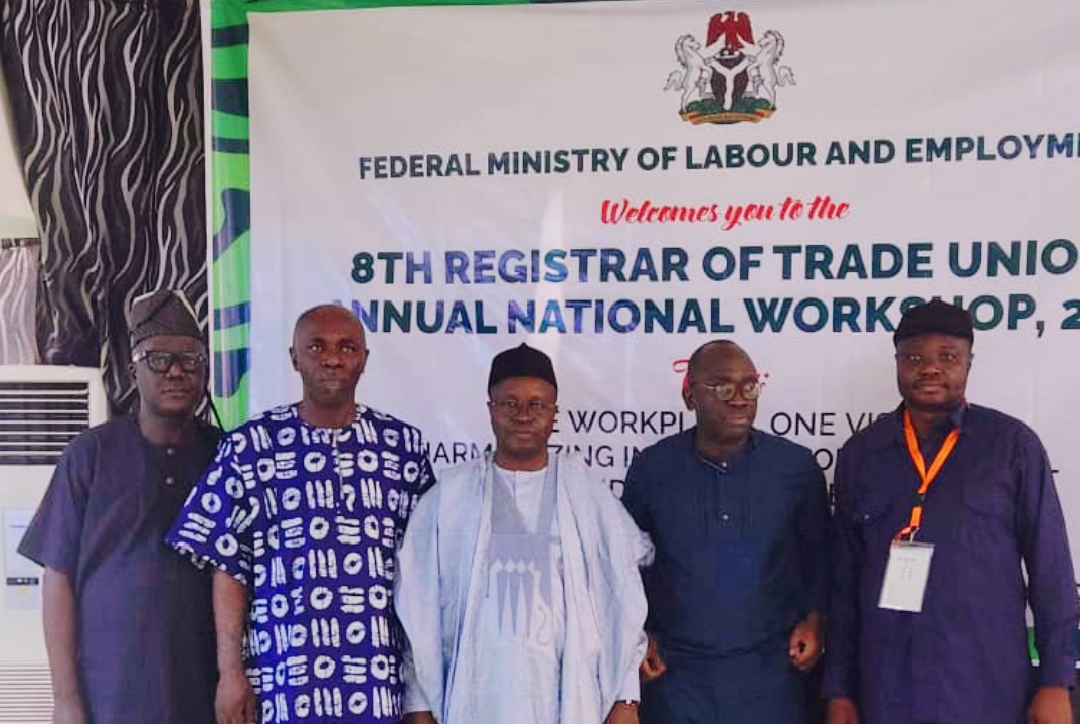
Speaking in Abuja at the 8th Annual Registrar of Trade Unions Workshop themed “One Workplace, One Vision: Harmonizing Interests for Industrial Peace and Sustainable Growth,” the Minister said the workplace should be seen as a space for collaboration and shared vision, not a battlefield for conflict and contestation.
Dingyadi noted that achieving sustainable national productivity requires mutual respect, open dialogue, and constructive cooperation between labour and employers.
He said the workshop objectives include promoting open and constructive communication between labour and management, build awareness of shared workplace goals that transcend individual interests, identify and resolve potential sources of conflict before they escalate, and develop strategies that support both employee welfare and organisational growth.
He further stated that “Nigeria’s economy is at a critical juncture today as we face global economic uncertainties, technological disruptions, and evolving labour dynamics. trade unions remain indispensable partners in shaping fair, inclusive, and productive workplaces across the nation.”
Dingyadi urged stakeholders to ensure that “we should build a Nigeria where “One Workplace, One Vision” is not just a theme, but a lived reality where harmonized interests lead to industrial peace, and industrial peace fuels sustainable national growth and long-term productivity.”
Earlier, in his welcome address, the Permanent Secretary, Ministry of Labour and Employment, Dr. Salihu Usman, described the workshop as a vital platform for strengthening labour-management relations.
He said it will help identify and resolve potential sources of workplace conflict, while building trust and collaboration that are indispensable to industrial peace.
Usman added that the initiative would rekindle the nation’s commitment to dialogue, equip stakeholders with tools for conflict resolution, and further position Nigeria’s workforce as a true driver of national development.
(FML&E Press)