
Unlicensed Project Managers Risk Jail As CIPMN Begins Nationwide Enforcement
Maryam Aminu
The Chartered Institute of Project Management of Nigeria (CIPMN) has commenced enforcement of licensing requirements for project management practitioners, warning that unlicensed professionals could face prosecution and a minimum of two years’ imprisonment.
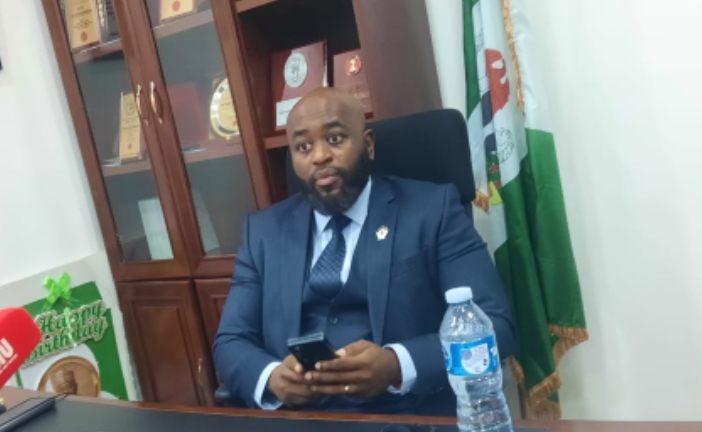
The Registrar-General and Chief Executive Officer of the institute, Mr Henry Mbadiwe, disclosed this at a press briefing organised by the Nigerian Institute of Project Management (NIPMN) ahead of its 3rd Annual Conference, 8th Induction Ceremony and International Project Management Day.
Mbadiwe said the institute had secured the support of the Inspector-General of Police to strengthen enforcement of the law regulating project management practice in the country, adding that police formations nationwide had been directed to assist in implementing the relevant provisions.
He explained that the institute had established enforcement mechanisms, including legal procedures, while engaging employers and organisations to encourage compliance before taking tougher action against defaulters.
According to him, companies that continue to engage unlicensed project managers despite ongoing sensitisation efforts could face legal consequences, alongside practitioners found to be operating without the required authorisation.
The CIPMN chief executive stressed that possessing foreign professional certifications, academic degrees or other qualifications did not automatically exempt practitioners from complying with Nigeria’s statutory licensing requirements.
He said the institute would publish an updated register of licensed project managers on its website in November to enable employers, organisations and members of the public to verify the professional status of practitioners before engaging their services.
Mbadiwe also disclosed that the institute had registered approximately 2,000 members since he assumed office on October 30, 2023, noting that more awareness campaigns were necessary to increase compliance and expand the number of licensed professionals.
On efforts to strengthen professional training, he said the institute had collaborated with the National Universities Commission (NUC) to develop a project management curriculum for Nigerian universities, which had been adopted by institutions.
He added that the initiative was designed to equip students with relevant professional knowledge before graduation and encourage them to pursue recognised qualifications that could improve their employment prospects.
The institute is also working with universities to integrate students into its professional membership system, providing a pathway for those interested in building careers in project management.
Addressing concerns over failed projects in Nigeria, Mbadiwe said the institute intended to strengthen accountability by ensuring that projects were managed by licensed professionals whose identities and credentials could be verified through its digital system.
He explained that the system would make it easier to establish the professionals responsible for managing projects that fail, potentially enabling investigations into professional misconduct, negligence and other breaches of established standards.
According to him, the institute has also digitised its licensing and examination procedures to improve transparency, reduce opportunities for manipulation and allow qualified candidates to take examinations remotely under electronic supervision.
The platform incorporates facial recognition and other monitoring mechanisms to verify candidates’ identities and discourage examination malpractice.
Mbadiwe said the enforcement initiative was part of broader efforts to promote professionalism, improve project delivery and strengthen public confidence in the management of projects across Nigeria.
The briefing also preceded activities marking the institute’s annual professional gathering and the celebration of International Project Management Day on November 5.
The conference and induction activities are expected to bring together project management practitioners and other stakeholders to discuss professional standards, accountability and the role of effective project management in national development.


