Tinubu’s Digital Switch-Over Initiative Ushers in New Era for Nigerian Broadcasting – Idris
Oru Leonard
The Minister of Information and National Orientation, Mohammed Idris, has said the launch of Nigeria’s Digital Switch-Over (DSO) platform, FreeTV, marks a new phase in the development of the country’s broadcasting industry.
Idris said the initiative, introduced under President Bola Ahmed Tinubu’s administration, is designed to expand access to digital television, improve content delivery and create new opportunities for local content producers, broadcasters and players in the creative industry.
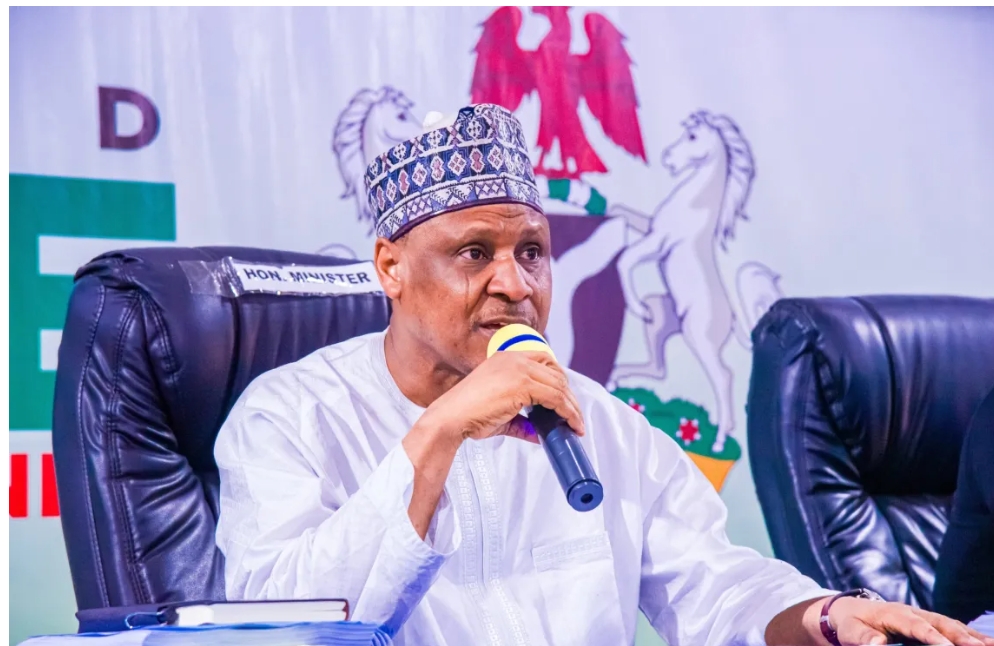
The Minister stated this on Thursday in Abuja while delivering his remarks at the 2026 Annual General Meeting of the Independent Broadcasting Association of Nigeria (IBAN).
Represented by his Special Assistant on Media, Rabiu Ibrahim, the Minister said the launch of the FreeTV platform on June 17, 2026, represented a significant milestone in Nigeria’s transition from analogue to digital broadcasting.
He noted that the platform would support the modernisation of the broadcasting industry while strengthening the capacity of Nigerian broadcasters to adapt to emerging technologies and changing audience preferences.
“Under President Bola Ahmed Tinubu’s administration, the Federal Government has taken an important step towards modernising the broadcasting sector through the launch of Nigeria’s Digital Switch-Over platform,” Idris said.
Reflecting on the industry’s development, the Minister recalled that broadcasting was deregulated 34 years ago through Decree 38 of August 24, 1992, paving the way for increased private-sector participation, investment, wider access to information and local content development.
He, however, observed that the industry was undergoing significant transformation driven by digital technology, streaming platforms and artificial intelligence, making innovation, investment and sustainable business models increasingly necessary.
According to him, the successful implementation of the digital transition requires stronger collaboration among government, regulatory agencies, broadcasters, technology providers and content producers.
“The success of this transition will depend on effective collaboration among government, regulators, broadcasters, technology providers and content producers,” he stated.
Idris urged industry stakeholders to support policies and initiatives that encourage investment, promote local content production, protect editorial independence and strengthen the competitiveness of Nigerian broadcasters in the evolving global media landscape.
He also commended the Independent Broadcasting Association of Nigeria for providing a platform through which independent broadcasters could engage government and regulatory authorities on issues affecting the industry.
The Minister encouraged the association to sustain its engagement with government while promoting professionalism, innovation and responsible broadcasting.
He stressed that the next phase of Nigeria’s broadcasting development should focus on building a stronger, more competitive and financially sustainable industry capable of taking advantage of emerging digital opportunities.
(FMINO Press. Thursday, November 26, 2026)