NBBF ELECTION CONTROVERSY: OYEDEJI VOWS LEGAL FIGHT, ALLEGES OUTCOME WAS PREDETERMINED
Oru Leonard
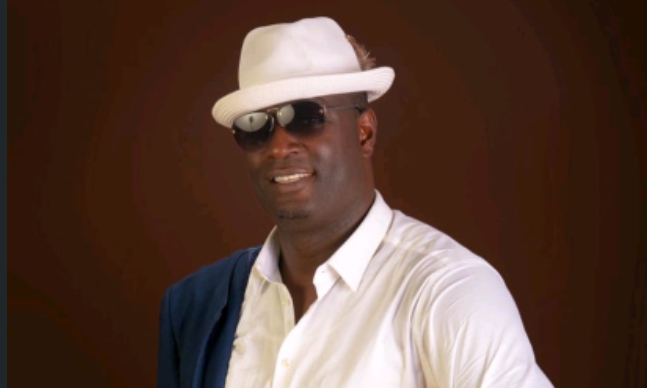
Former D’Tigers captain Olumide Oyedeji has vowed to pursue justice over the outcome of the Nigeria Basketball Federation (NBBF), elective congress in Abuja, alleging irregularities that, according to him, undermined the credibility of the exercise.
Oyedeji, who contested for the presidency and a South-West representative position during Thursday’s congress at the International Conference Centre (ICC), described the process as a “selection” rather than a genuine election, claiming that the outcome appeared to have been predetermined.
The former Nigerian international said his name was initially missing from the list of candidates for the South-West representative position and was only added to the ballot after he protested during the congress.
While acknowledging that he eventually lost the contest, Oyedeji questioned whether all aspirants were given equal opportunities to participate in the election.
“I am not saying there was no election, but there was a selection,” he said in an interview.
He maintained that developments at the congress reflected concerns he had raised before the election, urging stakeholders to revisit his earlier statements.
According to Oyedeji, his name was excluded from the South-West candidates’ list, while other aspirants, including Mustapha and Ugo, were listed.
He further alleged that similar omissions affected some presidential aspirants and candidates from other geopolitical zones, including the North-Central.
Oyedeji said he had to challenge the omission before his name was eventually included on the ballot, describing the experience as a troubling indication of weaknesses in the electoral process.
“Yes, I eventually lost, but I believe the outcome had already been predetermined,” he stated.
The President of the Nigerian Olympians Association and Chairman of the Nigerian Athletes Commission warned that failure to address the alleged irregularities could have far-reaching consequences for sports governance in the country.
He argued that the issue extended beyond his personal ambition, noting that other athletes, former internationals and individuals without significant influence could face similar challenges if appropriate safeguards were not established.
“If this could happen to me, it could happen to many other Nigerian athletes, former internationals and people who do not have a strong voice,” he said.
Oyedeji stressed that his primary demand was for fairness and adherence to established electoral procedures, rather than a guarantee of victory.
He maintained that every candidate should be allowed to compete under transparent conditions and that election results must reflect a credible process.
“All I wanted was justice. If I lose, I lose. I do not have to win. But the process must be fair, transparent and properly conducted. The right procedures must be followed, and the outcome must be declared with integrity,” he said.
The former D’Tigers captain vowed that his challenge would not end with public criticism of the congress, insisting that he would continue to pursue the matter through appropriate channels.
“However, this will certainly not end here. I am determined to seek justice, and I will continue to pursue it. This is not integrity,” Oyedeji declared.
Beyond the election dispute, Oyedeji defended the role of former athletes in sports administration, arguing that their practical experience, when combined with sound management knowledge, could contribute significantly to the development of Nigerian sports.
He cited his involvement in national and international sports administration, including his positions as President of the Nigerian Olympians Association, Chairman of the Nigerian Athletes Commission and former Vice-President of the Nigerian Olympic Committee.
He also highlighted his engagement with the International Olympic Committee (IOC) Athletes’ Commission, the World Anti-Doping Agency and the FIBA Players’ Commission as part of his experience in sports governance.
According to him, knowledge gained through active competition, combined with administrative expertise and international exposure, can strengthen decision-making and improve the management of sports institutions.
“Being a former sportsperson does not automatically make you a good administrator. You must have the necessary knowledge and skills,” he said.
Oyedeji, however, maintained that his record in sports administration demonstrated his capacity to contribute to the growth of Nigerian sports, pointing to the responsibilities he had undertaken and the projects he had pursued.
His position adds to the growing debate surrounding the conduct of the 2026 NBBF elections, with calls for transparency, accountability and strict adherence to electoral guidelines likely to remain central to discussions about the future of basketball administration in Nigeria.
(Maxwell Kumoye, Nigeria Basketball Network, 18 October 2026)