HUMANITARIAN AFFAIRS: FG DEVELOPS INTEGRATED SYSTEM TO TACKLE POVERTY, SUPPORT VULNERABLE NIGERIANS — DORO
,.. IOM pledges support for government’s poverty reduction initiatives
Oru Leonard
The Federal Government is strengthening reforms in the humanitarian sector through an integrated approach aimed at lifting vulnerable Nigerians out of poverty, reducing social crises and enabling beneficiaries to become economically self-reliant.
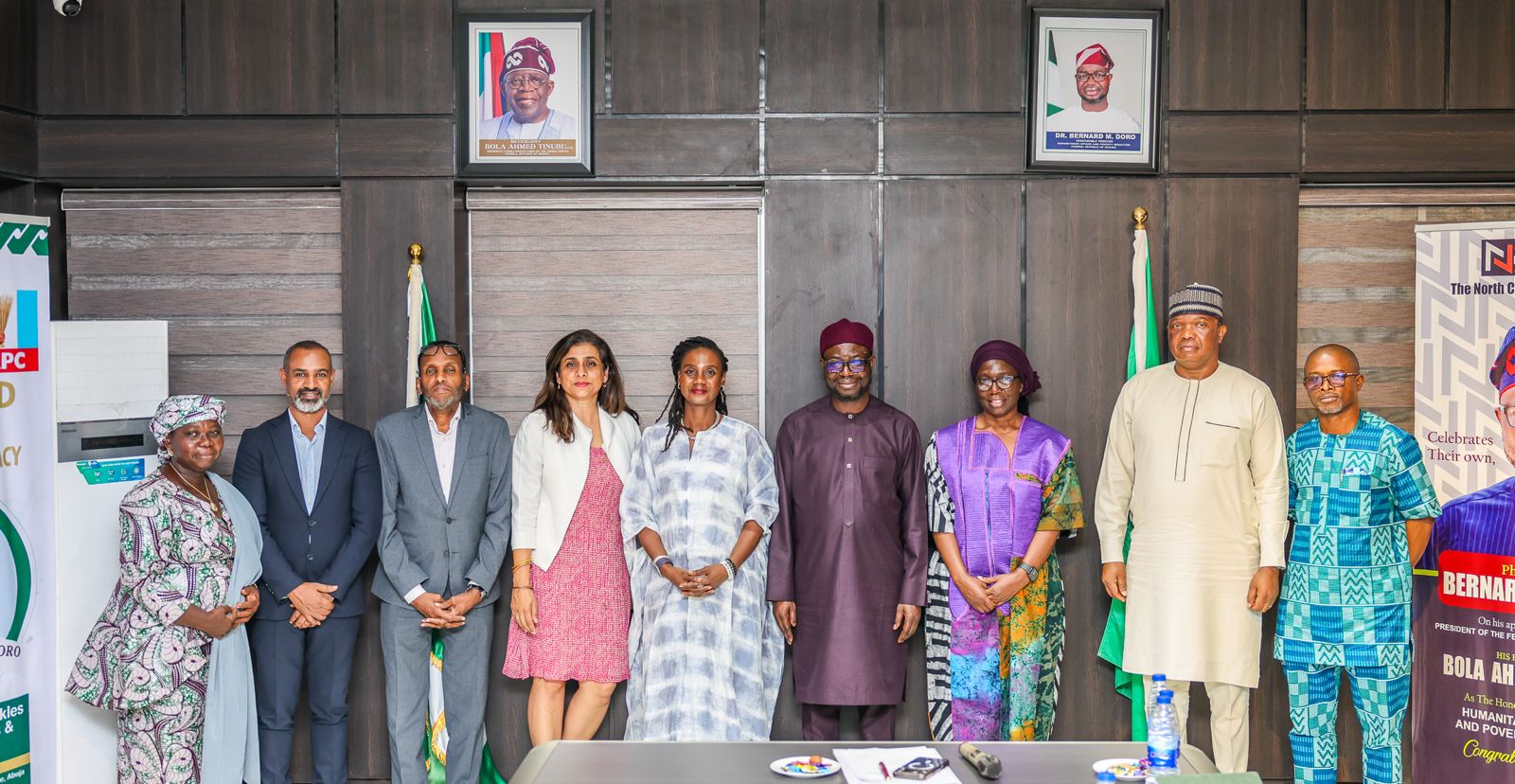
The Minister of Humanitarian Affairs and Poverty Reduction, Dr. Bernard M. Doro, disclosed this on Monday when a delegation from the International Organization for Migration (IOM), Nigeria, led by its Regional Director for West and Central Africa, Ms. Sylvia Ekra, paid him a courtesy visit in his office.
Doro said the reforms were designed to improve the coordination and delivery of humanitarian assistance and poverty reduction programmes, ensuring that vulnerable individuals receive the necessary support to achieve lasting economic stability.
He reaffirmed the ministry’s commitment to the Renewed Hope Agenda of President Bola Ahmed Tinubu, GCFR, noting that the administration’s vision is to improve the living conditions of poor and vulnerable Nigerians through targeted interventions and sustainable social protection mechanisms.
The minister disclosed that the proposed One Humanitarian, One Poverty Reduction System (OHOPRS) is awaiting approval by the Federal Executive Council (FEC).
According to him, the initiative is designed to establish an integrated framework that connects humanitarian assistance with social protection and poverty reduction interventions, from the point of identification to the eventual economic empowerment of beneficiaries.
He explained that OHOPRS would provide a coordinated platform for aligning interventions across federal, state and other subnational levels of government, thereby minimising duplication, strengthening collaboration and improving programme outcomes.
Doro added that the ministry was developing 20 models to identify vulnerable populations and guide them through structured pathways towards recovery, stability and economic independence.
As part of its human capital development strategy, the minister revealed that the government plans to train 12,000 out-of-school children through specialised educational and vocational programmes.
He explained that some of the targeted children might have exceeded the conventional age for regular classroom education, making alternative learning methods and skills-based training necessary.
Under the proposed initiative, beneficiaries would receive appropriate training, acquire relevant competencies and obtain certifications that could enable them to secure employment, pursue vocational opportunities and contribute meaningfully to the national economy.
Doro put the estimated cost of the programme at $20 million, disclosing that four foundations had already indicated interest in supporting the initiative.
He called on Nigerians in the diaspora to partner with the ministry in addressing poverty and humanitarian challenges, urging them to contribute their expertise, resources and networks towards programmes that would improve the lives of vulnerable citizens.
The minister also advocated the establishment of a National Economic Trust Fund to mobilise sustainable financing for humanitarian services and poverty reduction initiatives.
He expressed the hope that the Federal Government, development partners, private-sector stakeholders and philanthropists would collaborate to support the proposed fund and expand assistance to those in need.
Earlier, the IOM delegation leader and Regional Director for West and Central Africa, Ms. Sylvia Ekra, attributed the organisation’s progress in Nigeria to its constructive partnership with the Federal Government and the Nigerian people, particularly the Ministry of Humanitarian Affairs and Poverty Reduction.
Ekra commended Doro’s vision and leadership, expressing the organisation’s readiness to support the ministry in implementing the OHOPRS initiative and advancing efforts towards the establishment of a humanitarian trust fund.
She emphasised the importance of sustained collaboration between the government and international development partners in addressing humanitarian challenges and promoting inclusive development.
The minister, in turn, acknowledged IOM’s contributions to humanitarian services in Nigeria and congratulated the organisation on its achievements over the past 25 years.
He expressed optimism that the next 25 years of collaboration would deliver greater benefits to vulnerable populations and strengthen the collective response to humanitarian and poverty-related challenges across the country.
The ministry reaffirmed its commitment to building a more coordinated, inclusive and sustainable humanitarian system that prioritises the needs of vulnerable Nigerians and creates pathways towards long-term economic independence.
The Honourable Minister of Humanitarian Affairs and Poverty Reduction, Dr Bernard M. Doro, the visiting IOM delegation and some Directors in the Ministry in a group photograph after the meeting in his office, 26-10-2026.
(FMHAPR Media)