Gambia 2026: WSDGO Regional Executive Director Urges Citizens, Candidates to Uphold Peace Agreements
Oru Leonard
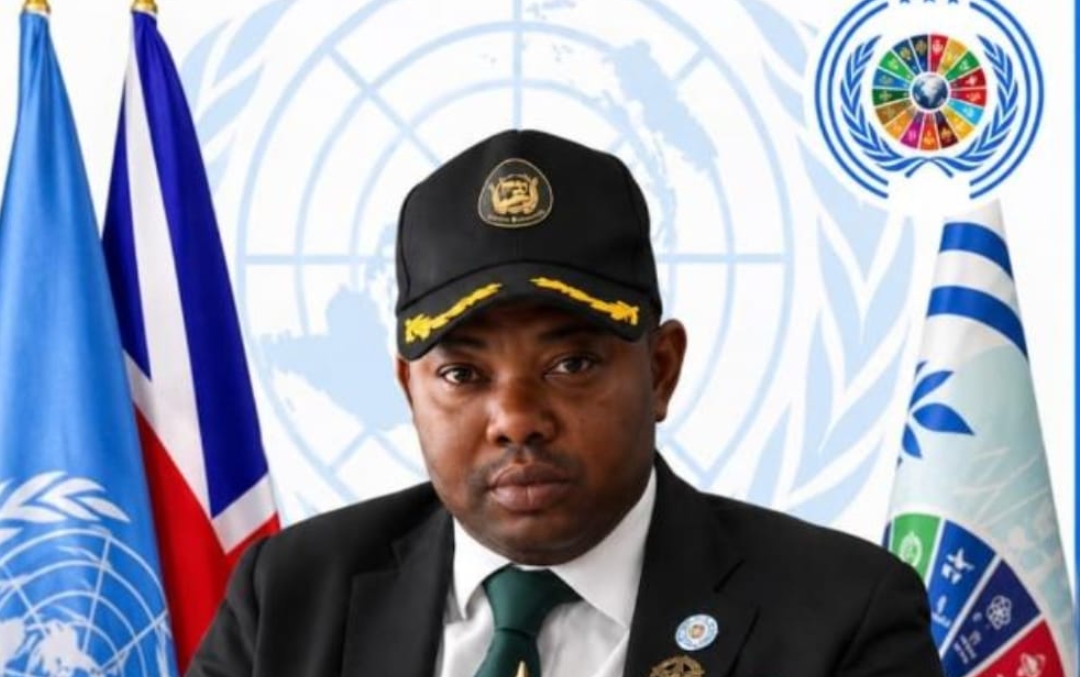
The West African Regional Executive Director of the World Sustainable Development Goals Organization (WSDGO), H.E. Fubes Ade Danor, has called on Gambians to maintain peace, political tolerance and national unity ahead of the country’s December 5, 2026 presidential election.
Danor made the appeal in a press release he signed on Friday in South Africa, urging citizens, political parties, candidates and their supporters to place the interest of the country above partisan considerations.
He specifically urged the eight presidential candidates who signed the two electoral peace agreements to abide by their commitments and conduct their campaigns in accordance with democratic principles and the rules governing the electoral process.
The regional director stressed that the signing of peace agreements must translate into concrete actions, warning that inflammatory statements, political intimidation, hate speech and violence could undermine the country’s democratic process.
He said political competition should be centred on ideas, policies and development programmes rather than hostility, personal attacks and confrontation.
Danor also urged the presidential candidates to demonstrate leadership and political maturity by ensuring that their supporters respect opposing views and refrain from actions capable of creating tension before, during and after the elections.
The eight presidential candidates and their respective political affiliations are Adama Barrow of the National People’s Party (NPP); A.N.M. Ousainou Darboe of the United Democratic Party (UDP); Talib Ahmed Bensouda of the UNITE Party; Dr Isatou Touray, an independent candidate; Modou Lamin Sima of the Alliance of Progressive Citizens (APC); Ebrima Tabora Manneh of the People’s Alliance Party (PAP); Lamin J. Darbo, an independent candidate under the Team Gambia Grand Coalition; and Almameh Gibba, an independent candidate.
According to Danor, the candidates have a responsibility to demonstrate that political differences can be managed peacefully without threatening the stability and unity of the country.
He further appealed to Gambian youths not to allow themselves to be used as instruments of political violence, urging them to embrace tolerance, responsible political participation and issue-based engagement.
He called on religious leaders, traditional rulers, civil society organisations, security agencies and the media to intensify public enlightenment and promote peaceful coexistence throughout the electoral period.
The WSDGO regional director also urged candidates and their supporters to respect the Independent Electoral Commission (IEC), allow the electoral process to proceed without interference and channel any grievances through lawful and constitutional procedures.
He maintained that peaceful elections remain essential to democratic governance, economic development and institutional stability, noting that political violence could reverse development gains and undermine public confidence in democratic institutions.
Danor said the principles of Sustainable Development Goal 16, which promotes peace, justice and strong institutions, should guide the conduct of all political stakeholders.
He added that the future of The Gambia should not be compromised by electoral disagreements, stressing that political offices are temporary, while national unity and peace remain the collective heritage of the people.
He urged all stakeholders to honour the two peace agreements they voluntarily signed and ensure that the 2026 presidential election becomes an exercise in democratic maturity, peaceful competition and national cohesion.