Beijing 2027 Standards Trigger Panic in Nigerian Athletics as Stakeholders Fear Mass Qualification Failure
Oru Leonard
Nigeria’s athletics community has been thrown into intense debate following the release of the qualification standards for the 2027 World Athletics Championships in Beijing, with stakeholders describing the marks as harsh, unforgiving and potentially disastrous for the country’s medal hopes.
Officials, journalists and athletics commentators warned that the demanding standards could leave many Nigerian athletes stranded unless urgent reforms are made to the nation’s competition structure and athlete development system.
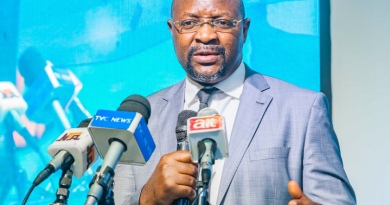
Reacting to the development, the Vice President of the Athletics Federation of Nigeria, Akuchukwu Chineze Aghazu, described the standards as “crazy” and questioned how athletes from developing systems were expected to qualify without adequate support and exposure.
According to her, the challenge goes beyond talent, stressing that Nigeria possesses world-class athletes but lacks sufficient competitions, sponsorship and infrastructure needed to help them attain elite standards.
Aghazu lamented the shortage of certified meets in Nigeria, noting that athletes struggle to earn ranking points because they are not exposed to enough international-standard competitions.
She called on corporate sponsors, state governments and stakeholders to urgently invest in athletics development by building more tracks, upgrading township stadiums and creating World Athletics-certified competitions across the country.
The AFN official also praised ongoing efforts by the National Sports Commission to improve sports infrastructure nationwide, insisting that grassroots development and elite exposure remain critical to Nigeria’s future success.
Veteran athletics journalist Ben Efe acknowledged that the standards were intimidating but maintained that several Nigerian athletes are already within range of qualification.
He expressed confidence in sprint stars including Rosemary Chukwuma, Blessing Ogundiran, Israel Okon, Nick Fakorede, Caleb John and Kanyinsola Ajayi, predicting further improvements before 2027.
Efe also highlighted the impressive form of Ella Onojuvwevwo in the women’s 400m and described Samuel Ogazi as one of Nigeria’s brightest prospects after his recent performances on the international stage.
However, respected athletics commentator Uzor Odigbo issued a stern warning, arguing that many Nigerian athletes may not be capable of meeting the brutal qualification demands.
Odigbo blamed years of weak domestic competitions and poor preparation for what he described as a culture of mediocrity among some athletes and coaches.
According to him, only a select group of athletes, including Tobi Amusan, Samuel Ogazi, Chukwuebuka Enekwechi, Kanyinsola Ajayi and Nigeria’s relay teams, currently appear capable of qualifying comfortably for Beijing.
Stakeholders were also united in their concern over Nigeria’s field and throws events, admitting that the country remains far from meeting global standards in those categories.
Many believe the throws programme requires long-term rebuilding through investment in coaching, athlete development and modern facilities, with realistic ambitions possibly extending beyond Beijing 2027.
Despite the differing opinions, stakeholders agreed on one major reality: the era of easy qualification is over.
For Nigerian athletics, the Beijing standards have become a major test of preparation, investment and ambition, with growing calls for urgent reforms to prevent the country from falling behind global competitors.