ACCI-NPAC Seeks 90-Day Business Reform Compact as Stakeholders Assess Impact of Economic Policies
Oru Leonard
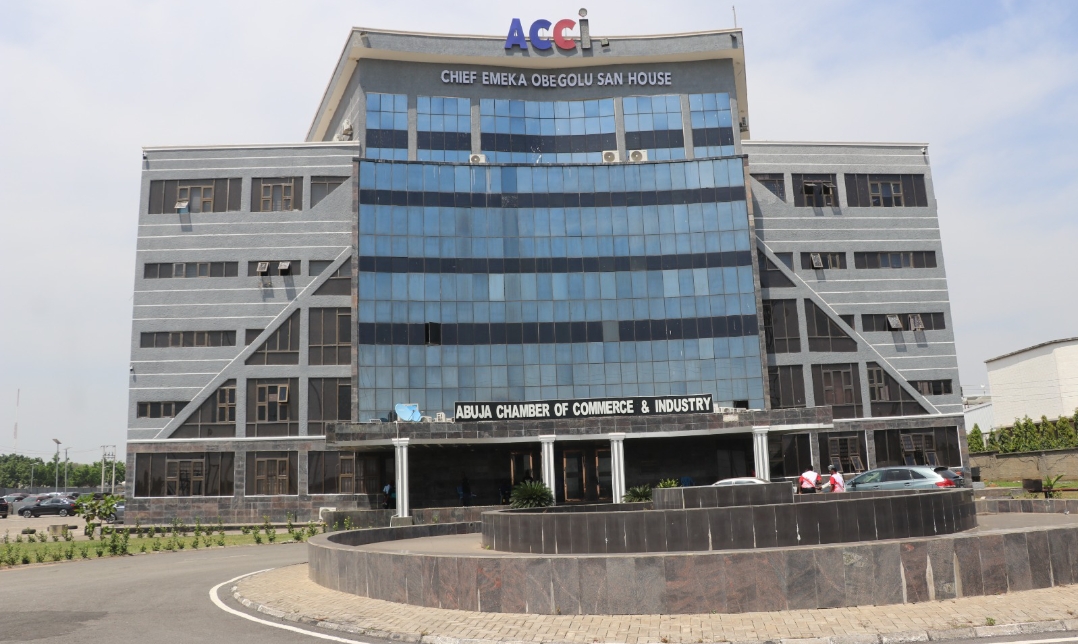
The Abuja Chamber of Commerce and Industry (ACCI), through its National Policy Advocacy Centre (NPAC), has called for a 90-day Business Reform Compact to address persistent challenges confronting Nigerian businesses despite ongoing economic reforms introduced by the Federal Government since 2023.
The call was made during a high-level policy webinar organised by ACCI-NPAC on Thursday, November 12, 2026, to examine the impact of government policies on businesses, particularly Micro, Small and Medium Enterprises (MSMEs), manufacturers and households.
The webinar, themed “Reform Reality: Are Government Policies Hurting or Improving Businesses?”, brought together government representatives, private-sector organisations, civil society groups and policy experts to assess the achievements, challenges and implementation gaps associated with the country’s economic reform programme.
Presenting an overview of Nigeria’s economic reform architecture, the Chief Executive Officer of the Centre for the Promotion of Private Enterprise (CPPE), Dr. Muda Yusuf, identified major policy changes, including foreign exchange liberalisation, petroleum subsidy removal, monetary and fiscal policy adjustments, tax reforms, trade and customs reforms, power sector restructuring and social protection initiatives.
Yusuf acknowledged some positive developments, including improved exchange rate stability, increased investor confidence, moderating inflationary pressures and growth in external reserves, which reportedly reached an 18-year high of $55 billion.
However, he warned that the macroeconomic improvements had yet to translate sufficiently into lower production costs, affordable credit, stronger consumer purchasing power and improved business profitability.
He urged the government to tackle structural constraints, reduce production costs, improve access to affordable financing and ensure policy consistency to enable businesses to benefit meaningfully from the reforms.
Also speaking, Mr. Olu Shirin Obafemi of the Presidential Enabling Business Environment Council (PEBEC) highlighted ongoing efforts to improve Nigeria’s business climate through regulatory efficiency, digitalisation, transparency, agency responsiveness and effective grievance redress mechanisms.
He disclosed that 69 business-facing government agencies had been assessed, with 98 per cent compliance recorded, while the Regulatory Impact Analysis framework now requires evidence-based assessments before new regulations are introduced.
Obafemi also highlighted initiatives to improve port efficiency, including the activities of the Ports and Customs Efficiency Committee and plans to deploy automated scanners at inspection points to reduce cargo clearance delays and the cost of doing business.
From the perspective of the organised private sector, the Technical Adviser to the National President of the Nigerian Association of Chambers of Commerce, Industry, Mines and Agriculture (NACCIMA) and Chairman of its AfCFTA Trade Group, Amb. Suleiman Audu, observed that businesses were experiencing mixed recovery.
He noted that while some enterprises were beginning to benefit from policy adjustments, many continued to grapple with high operating costs, limited access to finance and weak consumer demand.
Audu consequently advocated a 90-day Business Reform Compact to address outstanding challenges, strengthen accountability and accelerate the implementation of reforms with direct implications for businesses.
Adding a social and economic justice perspective, Hajia Suwaiba Muhammad of ActionAid Nigeria said subsidy removal, exchange rate liberalisation and electricity tariff increases had disproportionately affected households, small businesses and vulnerable populations.
She observed that rising energy, transportation and food costs, alongside declining purchasing power, had placed considerable pressure on livelihoods and enterprise sustainability.
Muhammad called for stronger social protection measures and policies that reflect the economic realities of ordinary Nigerians.
She also advocated greater transparency and accountability in the budgetary process, noting that several critical projects across key sectors remained unimplemented despite being captured in government budgets.
According to her, timely execution of budgeted projects is essential to addressing infrastructure deficits, reducing production costs and improving the competitiveness of Nigerian businesses.
Similarly, the Director of the Centre for Social Justice, Barrister Eze Onyekpere, stressed the need for government reforms to reflect the needs and expectations of the business community.
He argued that policies should be informed by practical economic realities and developed through sustained engagement with the organised private sector to stimulate investment, promote enterprise growth and achieve sustainable economic development.
Welcoming participants on behalf of ACCI’s Director-General, Mr. Agabaidu Jideani, the Deputy Director-General, Dr. Temitope Tinuke Ariyo, said economic reforms should ultimately create a more supportive business environment by improving productivity, stimulating investment, reducing operating costs and strengthening the competitiveness of Nigerian enterprises.
The webinar also featured a panel discussion involving representatives of NACCIMA, the Centre for Communication and Entrepreneurship, the Centre for Social Justice and ACCI, among others.
Participants identified poor policy sequencing, weak implementation, inadequate infrastructure, high financing costs and insufficient stakeholder consultation as major obstacles limiting the benefits of economic reforms.
They recommended improved coordination of fiscal, monetary and trade policies, restoration of the January-to-December budget cycle, effective implementation of Executive Order 001 and the Business Facilitation Act, digitalisation of trade processes and greater transparency in public expenditure.
The stakeholders also called for stronger collaboration between government, the private sector and civil society, stressing that existing policies should be fully implemented before additional regulatory measures are introduced.
They further urged PEBEC to sustain its assessment of business-facing agencies and subnational governments, deepen digital reforms, extend support to industrial and export hubs across the six geopolitical zones and strengthen engagement with foreign direct investors.
At the end of the webinar, participants agreed that the success of economic reforms should be measured by tangible improvements in business performance and citizens’ welfare rather than policy announcements.
The Executive Director of NPAC, Dr. Chidiebere Onwumere, commended the presenters for their contributions and disclosed that the Centre would consolidate the recommendations into a communiqué for submission to relevant government institutions, including the Federal Ministry of Industry, Trade and Investment.
He also pledged that the communiqué and presentations by speakers would be circulated to participants.
The webinar reaffirmed ACCI-NPAC’s commitment to evidence-based policy dialogue, advocacy for the organised private sector and the promotion of reforms that support enterprise growth, investment, job creation and inclusive economic development.
(ACCI Media)