AAAU Emerges as Potential SAF Training Hub, Strengthens Collaboration with NCAA
Oru Leonard
The African Aviation and Aerospace University (AAAU), Abuja, is positioning itself to play a strategic role in developing the human capacity required to support Nigeria’s emerging Sustainable Aviation Fuel (SAF) industry.
This followed discussions between the Nigeria Civil Aviation Authority (NCAA) and the university on the establishment of a structured capacity-development framework for professionals expected to drive the country’s transition towards lower-emission aviation.
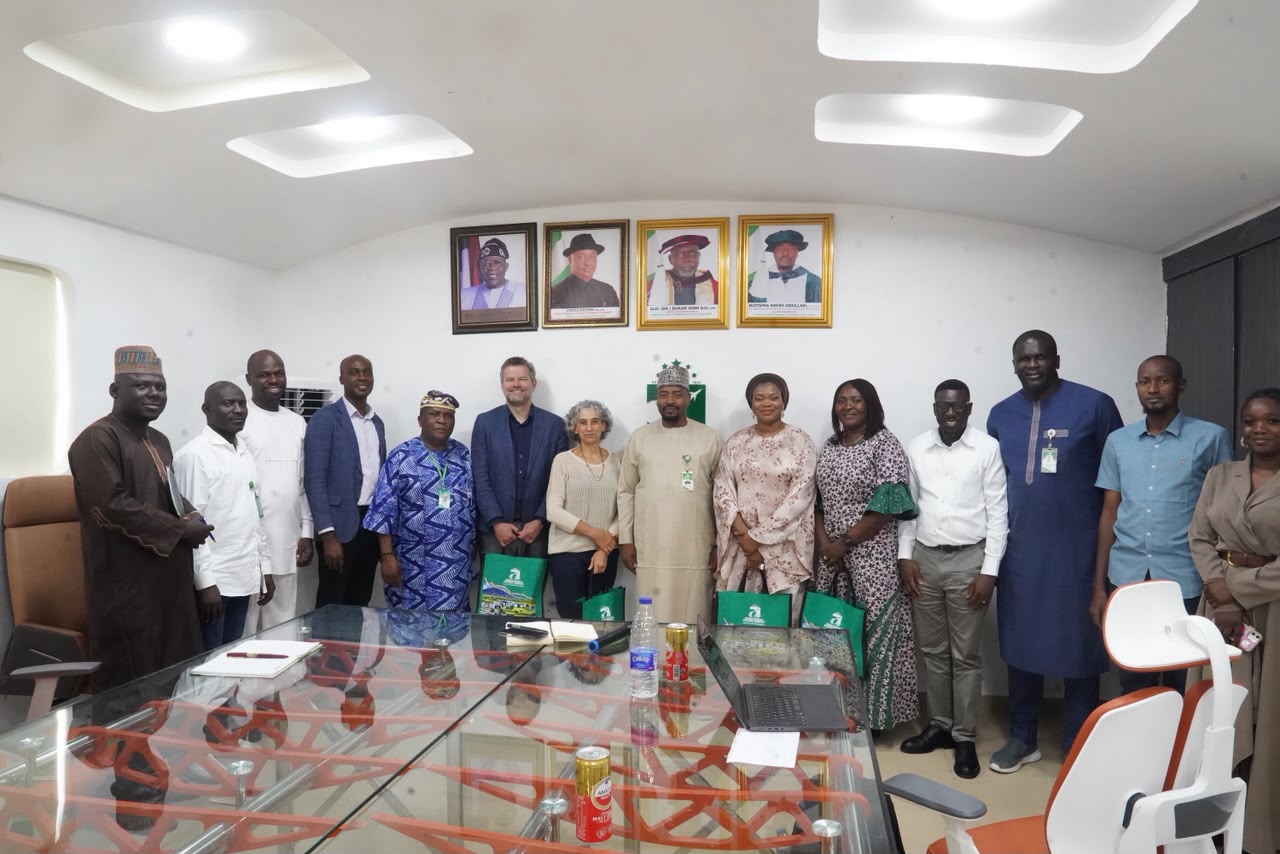
The discussions took place when an NCAA Environment Team, including SAF Technical Expert and ICAO Consultant, Mr. Jon McKechnie, visited AAAU to explore opportunities for training, knowledge exchange, technical expertise and institutional capacity development.
Receiving the team, the Acting Vice-Chancellor of AAAU, Dr. Mustapha Sheikh Abdullahi, Ph.D., FInstTA, FCMI, outlined the university’s growing focus on aviation, aerospace and environmental sustainability.
He also highlighted the activities of the African Centre for Climate Change and Aviation Decarbonization (ACCCAD), which is focused on research, knowledge development and capacity building in climate change and aviation decarbonization.
According to the Vice-Chancellor, previous studies and preliminary engagements have identified significant opportunities for Sustainable Aviation Fuel production in Nigeria based on available sustainable resources.
He said the current discussions were therefore aimed at moving beyond identifying the country’s SAF potential towards building the technical and institutional capacity required to develop the sector.
A major component of the proposed collaboration is a Training of Trainers (ToT) programme designed to create a pool of professionals and subject-matter experts who can subsequently transfer knowledge and support wider capacity development in the SAF ecosystem.
The proposed programme would bring together academic institutions, regulators, technical experts and industry stakeholders to address the multidisciplinary requirements of SAF development.
The NCAA team also discussed the structure and technical requirements of the proposed programme, including relevant areas of knowledge, tutor and trainer exchanges, subject-matter expertise and the institutional infrastructure needed to develop and transfer SAF knowledge.
The engagement is expected to further define areas of collaboration between the NCAA, AAAU, ACCCAD and other relevant stakeholders, particularly in training, research, technical expertise and knowledge exchange.
The development of local expertise is considered an important component of Nigeria’s efforts to translate its SAF potential into practical initiatives and strengthen the aviation sector’s capacity to respond to global decarbonisation requirements.
The latest engagement therefore marks a move towards building the human-resource and institutional foundations that could support Nigeria’s participation in the emerging Sustainable Aviation Fuel ecosystem.