House of Representative Hopeful, Nkem-Aruoma Urges FG to Expand Access to Loans, Cut Taxes to Revive Nigerian Businesses
Oru Leonard
The Immediate Past President of the Umuahia Chamber of Commerce and the Immediate Past President of the Traders Association of Nigeria, Abia State, RTN Chief Chidi Nkem-Aruoma, has called on the Federal Government to reduce the tax burden on businesses, improve infrastructure and provide affordable financing to small and medium-scale enterprises (SMEs).
Nkem-Aruoma said Nigerian entrepreneurs were struggling to survive amid rising operating costs, inadequate access to credit, unreliable electricity supply and poor road networks, warning that businesses could not thrive without a supportive economic environment.
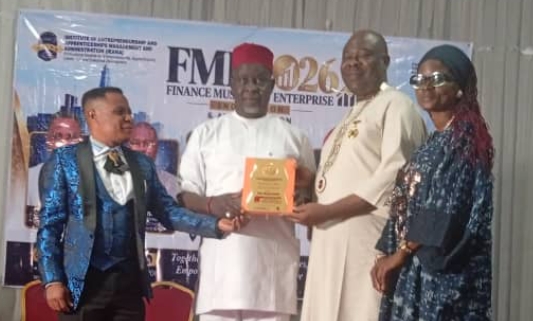
Speaking on the theme, “Finance Must Meet Enterprise,” he questioned how businesses could access the funding required for growth when they were confronted with unfavourable operating conditions and financial institutions charged interest rates that many entrepreneurs could hardly afford.
He noted that private-sector operators played a critical role in generating government revenue, creating employment and driving economic development, yet many were barely surviving despite their contributions.
According to him, businesses employing several workers could still struggle to meet their obligations when daily profits remained low in comparison with wages, transportation, electricity and other operational expenses.
The business leader urged the government to ensure that the Bank of Industry and the Bank of Agriculture provided accessible financing to entrepreneurs, manufacturers and farmers seeking to expand production.
He questioned the effectiveness of existing financing arrangements, asking how many small businesses and farmers had successfully accessed loans through the institutions to improve their operations.
Nkem-Aruoma stressed that funding was essential for businesses to acquire machinery, train workers, manufacture products, market their goods and distribute them to consumers.
He maintained that the facilities should be accessible loans rather than grants, explaining that entrepreneurs needed affordable financing to invest, expand their businesses and increase productivity.
He also called for a reduction in taxes and other business-related expenses, urging the government to create conditions that would encourage investment and discourage businesses from relocating to other countries.
Nkem-Aruoma identified poor road networks as another major obstacle to business growth, citing the difficulties traders encounter when transporting goods between Lagos and the eastern part of the country.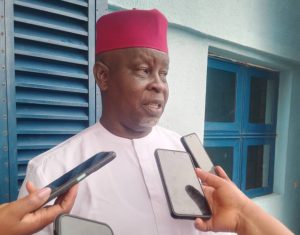
He observed that journeys that should take considerably less time could extend to nearly 24 hours because of deteriorating roads, resulting in delays, higher transportation costs and difficulties in delivering goods to markets.
He called for the development of an efficient railway network connecting Lagos, Port Harcourt and other commercial centres, noting that improved rail transportation would ease pressure on roads and facilitate the movement of goods across the country.
The business leader also lamented the high cost of electricity, saying many manufacturers were compelled to generate their own power at considerable expense.
He urged the government to improve electricity supply and facilitate affordable loans for businesses to acquire modern equipment and machinery.
According to him, the combination of inadequate financing, high energy costs and poor infrastructure continues to undermine the ability of Nigerian enterprises to compete and expand.
Nkem-Aruoma expressed concern over the challenges confronting local traders following the entry of Chinese companies into Nigeria’s commercial space.
He argued that Nigerian importers who travel to China to purchase goods for resale were being placed in a difficult position when foreign suppliers established businesses locally and sold directly into the same markets.
He said the situation raised concerns about the ability of local traders to compete and sustain their livelihoods, stressing the need for policies that would strengthen domestic businesses and promote a fairer competitive environment.
He further advocated a shift from dependence on imported finished products to the importation of technology that could strengthen local manufacturing capacity.
He said Nigerian businesses needed the necessary capital, technical expertise and institutional support to manufacture more goods locally, reduce import dependence and create employment opportunities.
The former chamber president urged Nigerians to embrace locally manufactured products, declaring that the country must move beyond promoting African products to encouraging Nigerians to patronise goods produced within their own country.
He commended Abia State Governor, Alex Otti, for promoting made-in-Aba products and demonstrating support for local manufacturers through his public appearances.
According to Nkem-Aruoma, Aba remains an important centre for small and medium-scale enterprises, with considerable capacity to produce goods for domestic consumption and international markets.
He urged Nigerians to recognise the capabilities of local manufacturers and support their businesses by purchasing Nigerian-made products.
He also commended the Abia State Government for what he described as visible changes in Umuahia, Aba and other parts of the state, recalling the governor’s appeal during the 2023 election campaign for an opportunity to demonstrate his capacity to govern.
Nkem-Aruoma also called for increased financing for farmers to strengthen agricultural production and improve food affordability.
He questioned how many Nigerians would be able to afford rice during the December period if prices continued to rise, arguing that improved access to agricultural financing could help farmers increase production and stabilise supply.
He identified rice-producing areas, including Bende in Abia State, Abakaliki in Ebonyi State and Uzo-Uwani in Enugu State, as places where increased production could contribute to meeting domestic demand.
He urged the Bank of Agriculture and other relevant institutions to make financing more accessible to farmers, enabling them to expand cultivation, improve productivity and contribute to national food security.
He maintained that supporting local agriculture would help reduce dependence on imported food products while creating economic opportunities for farmers and other participants in the agricultural value chain.
The business leader urged the relevant institute and organised business groups to intensify advocacy for policies that would ease the challenges facing entrepreneurs.
He said business organisations should engage the government more actively on taxation, financing, infrastructure and other issues affecting the survival of enterprises.
Drawing comparisons with countries such as Bangladesh, Vietnam and Indonesia, he observed that government support for local production and business development could help strengthen domestic industries.
He warned that the relocation of businesses from Nigeria to other countries could have adverse implications for employment, investment and economic growth.
According to him, supporting businesses is essential to protecting jobs and preventing workers from losing their means of livelihood when struggling enterprises are forced to close.
Nkem-Aruoma also disclosed his intention to contest for the Ikwuano/Umuahia Federal Constituency seat in the House of Representatives, Abia State, pledging to serve for one term if elected.
He said his performance should be assessed based on his achievements during the four-year tenure, urging citizens to look beyond political party affiliations and pay greater attention to the people who benefit from government policies and programmes.
He called on governments at all levels to prioritise entrepreneurship, improve the business environment and implement policies that would enable enterprises to grow and create more jobs.
Concluding his remarks, Nkem-Aruoma reiterated that access to finance must go hand in hand with enterprise development, insisting that neither businesses nor the wider economy could achieve sustainable growth without adequate funding and government support.
He encouraged Nigerians seeking practical examples of local enterprise development to visit Abia State, particularly Aba, where small and medium-scale businesses continue to play an important role in commercial and industrial activities.