Nigeria, AfDB Move to Accelerate Development Projects, Address High Borrowing Costs

…. Oyedele reaffirms Nigeria’s commitment to AfDB as both sides plan portfolio review and presidential visit
Oru Leonard
Bangkok, October 12, 2026 — Nigeria and the African Development Bank (AfDB) are strengthening their strategic partnership to improve development financing, accelerate project implementation and address the high cost of borrowing confronting African economies.
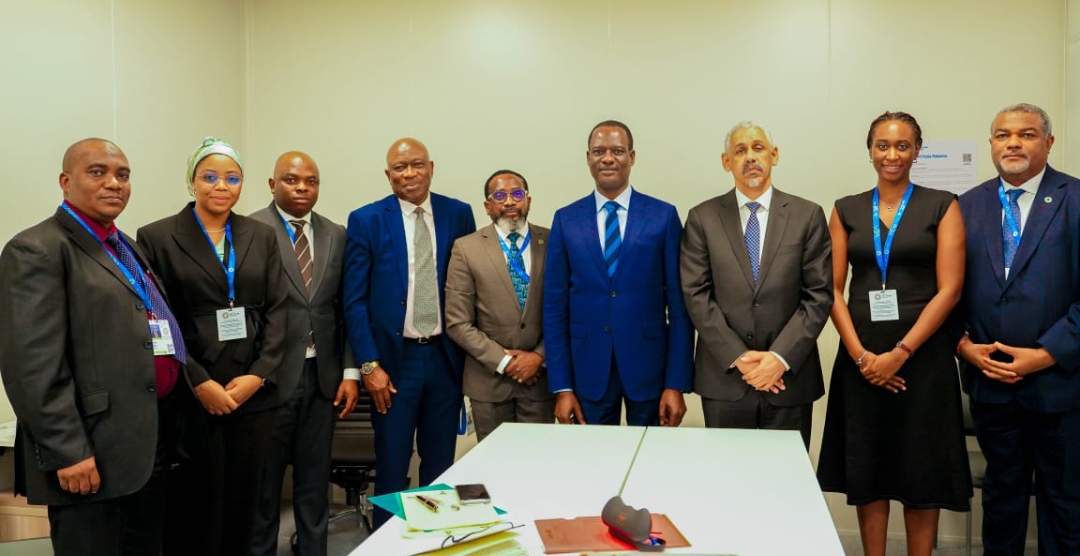
The renewed commitment emerged from a meeting between the Honourable Minister of Finance and Coordinating Minister of the Economy, Taiwo Oyedele, and the President of the African Development Bank, Dr. Sidi Ould Tah, on Monday, on the sidelines of the 2026 IMF and World Bank Group Annual Meetings in Bangkok, Thailand.
Both parties agreed to undertake a joint technical review of the AfDB’s portfolio in Nigeria to identify challenges affecting project implementation, improve delivery timelines and ensure that ongoing operations contribute more effectively to the Federal Government’s development objectives.
They also agreed to commence preparations for an official visit to Nigeria by the AfDB President, during which discussions are expected to involve President Bola Ahmed Tinubu, senior government officials and other key stakeholders.
Oyedele reaffirmed Nigeria’s commitment to maintaining its position as the Bank’s largest shareholder and fulfilling its capital subscription obligations. He emphasised that the longstanding relationship between Nigeria and the AfDB should translate into increased development financing and tangible economic benefits for the country.
The Finance Minister also expressed Nigeria’s support for the Bank’s Four Cardinal Points agenda under Ould Tah’s leadership, describing its objectives as consistent with the country’s economic development priorities.
The agenda focuses on closing Africa’s financing gap, strengthening the continent’s financial sovereignty, harnessing its demographic dividend and developing resilient infrastructure through the local processing and transformation of natural resources.
A major issue discussed at the meeting was the high cost of borrowing confronting African countries, particularly the impact of international credit ratings on access to affordable financing.
Oyedele observed that credit ratings do not always adequately reflect improvements in economic fundamentals and the progress countries make through policy reforms. He noted that such assessments can increase borrowing costs and constrain the ability of governments to finance critical development programmes.
In response, Ould Tah disclosed that the AfDB was developing a facility to provide African governments with technical and analytical assistance in their engagements with international credit rating agencies.
The proposed initiative is expected to help countries present credible economic data, strengthen their engagement with rating agencies and challenge assessments where evidence warrants a review.
The meeting also explored opportunities to deepen African financial integration, expand local currency transactions, strengthen trade insurance mechanisms and deploy credit enhancement instruments to reduce investment risks and attract greater private-sector capital.
Both sides further underscored the importance of retaining skilled professionals within Africa to support sustainable economic growth, strengthen institutional capacity and advance the continent’s development ambitions.
The agreed technical review and ongoing financing discussions are expected to provide a framework for improving the performance of AfDB-supported projects in Nigeria, while preparations continue for the Bank President’s proposed visit.
(Efe Ovuakporie, Head of Media
Federal Ministry of Finance,October 12, 2026)