Nigeria’s Over-60 Population To Triple By 2050, NSCC Warns Systems Must Prepare For Longer Lives
Maryam Aminu
Nigeria’s population of people aged 60 and above is projected to triple by 2050, raising fresh concerns about whether the country’s healthcare, pension and social protection systems are prepared to support longer lives with dignity.
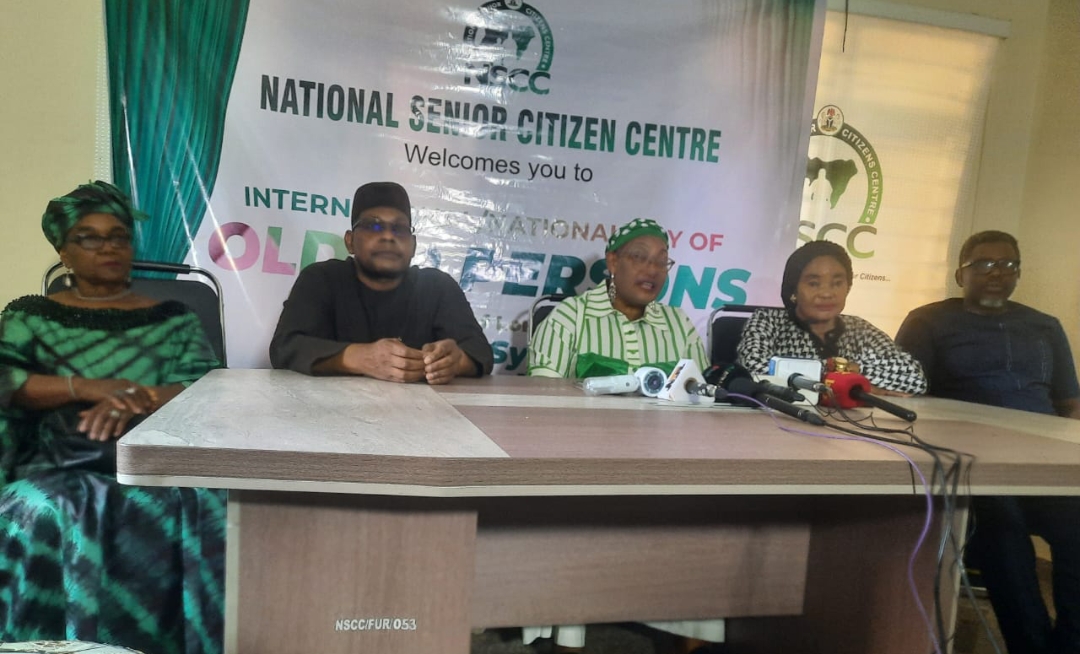
Director-General of the National Senior Citizens Centre (NSCC), Hon. Medinat Omobolanle Akinyemi-Obe, raised the concern on Thursday while commemorating the 2026 International Day of Older Persons, which coincides with Nigeria’s 66th Independence anniversary.
Akinyemi-Obe said the growing number of older Nigerians was a sign of progress in healthcare, nutrition and living conditions, but warned that longer lives must be matched with systems capable of meeting the needs of an ageing population.
The 2026 International Day of Older Persons is being observed under the theme, “The Age of Longevity: Rethinking Systems for Longer Lives.”
According to the NSCC Director-General, the challenge is no longer simply helping people live longer, but ensuring that they can do so with access to healthcare, financial security, social inclusion and dignity.
She noted that many older Nigerians still face long waits for healthcare and pensions, as well as loneliness, abuse and age discrimination.
“Longevity without dignity is not the goal,” she said.
Akinyemi-Obe said the NSCC was working on reforms aimed at preparing Nigeria for the realities of an ageing population, including finalising the National Policy on Ageing and the Older Persons Care Quality Assurance Framework.
She said the Centre was also training 5,000 community caregivers and advocating the establishment of geriatric desks in Primary Health Centres across the 774 Local Government Areas, stressing that older persons should not have to travel long distances simply to access appropriate healthcare.
On financial security, the NSCC said it was deepening collaboration with the National Pension Commission (PENCOM), Pension Transitional Arrangement Directorate (PTAD) and state governments to address pension delays.
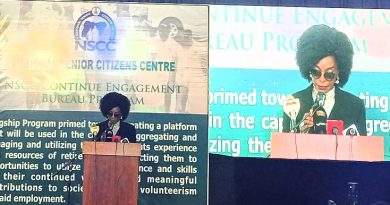
It is also expanding the NSCC Continuing Engagement Bureau to create opportunities for retired but capable senior citizens to continue contributing through mentoring, teaching and other forms of engagement, while indigent older persons are being linked to available social safety nets.
The Director-General also called for more age-friendly public spaces and services, including ramps at hospitals, seating at transport points and priority services for older persons.
She urged all 36 states to domesticate the Senior Citizens Act and establish State Councils on Ageing to strengthen support for older citizens at the sub-national level.
Beyond policies and infrastructure, Akinyemi-Obe called for a change in how society views older people, saying they should not be treated only as beneficiaries of government programmes.
“Older persons are not just beneficiaries; they are drivers,” she said, pointing to their continuing roles as farmers, traders, faith leaders, grandparents and custodians of family and community knowledge.
She also urged Nigerians to reject ageism and strengthen intergenerational solidarity, reminding young people that the way society treats older persons today could shape how they themselves are treated in later life.
Addressing older Nigerians across the country, Akinyemi-Obe said: “We see you. We hear you. You built this nation.”
She called on the private sector, civil society organisations, traditional and religious leaders and the media to partner with the NSCC in building systems that support Nigerians throughout the different stages of life.
“As we celebrate Independence and our elders today, let us remember: A nation’s greatness is measured by how it treats its most vulnerable its children and its older persons,” she said.
Akinyemi-Obe, on behalf of the management and staff of the NSCC, wished senior citizens a healthy and dignified International Day of Older Persons and called for renewed commitment to ensuring that ageing in Nigeria comes with dignity, inclusion and opportunity.