Nigerian High Commissioner Raises Concerns Over Trial Delays Affecting Citizens in Indian Jails
Oru Leonard
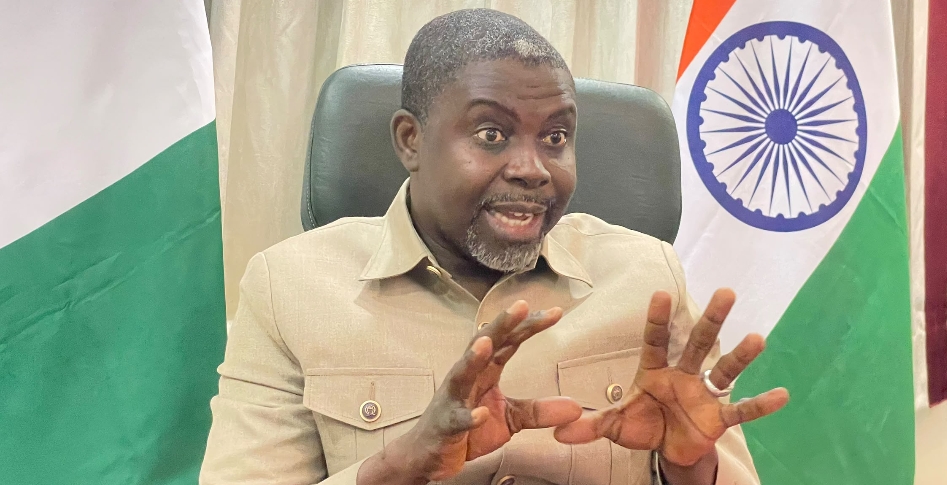
NEW DELHI – Nigeria’s High Commissioner to India, Ambassador Saidu Dahiru Muhammad, has disclosed that he recently visited correctional facilities across India and held direct interactions with 198 Nigerian citizens in detention as part of efforts to strengthen what he described as Nigeria’s citizen-centred diplomacy.
Speaking during an interactive session with diplomatic correspondents in New Delhi, where journalists had gathered to cover the 2026 BRICS Summit, Muhammad said the visits were aimed at understanding the welfare and concerns of Nigerians incarcerated in India.
According to the envoy, he visited several correctional centres, including facilities housing 16, more than 70, and over 50 Nigerian inmates, as well as 19 women and girls in detention. In total, the mission interacted directly with 198 Nigerians over a three-day period.
“This is to show that our government is concerned about its citizens. We call it citizen-centred diplomacy,” Muhammad said.
He explained that during the visits, detainees raised concerns ranging from alleged maltreatment and racial discrimination to limited access to legal representation, delays in court proceedings and inadequate medical attention.
The High Commissioner said he immediately engaged prison authorities on the issues raised and found that many of the challenges stemmed from prolonged investigations and delays within the judicial process rather than the conduct of prison officials.
“We realised that prison officials were generally cooperative, but many detainees are awaiting trial and the judicial process takes time,” he said.
Muhammad stressed that the mission had sought to bridge communication gaps by engaging relevant authorities and advocating for the rights of Nigerian citizens.
He emphasised that regardless of the allegations against detainees, their fundamental human rights must be respected.
“Universal principles require that all human beings be treated fairly. Their fundamental rights must not be abused, distorted or violated in any way, and their welfare must be taken care of,” he stated.
The envoy said the mission submitted a detailed report to Nigeria’s Ministry of Foreign Affairs outlining the concerns raised during the visits and recommending actions to address them.
According to him, the report received prompt attention from Foreign Affairs Minister Bianca Odumegwu-Ojukwu, who expressed appreciation for the mission’s efforts and pledged to elevate the issues to the highest levels of government.
Muhammad said the initiative reflects Nigeria’s commitment to ensuring that citizens abroad remain connected to their country, even when facing legal challenges.
“Nigeria remembers them. That is why we are going there,” he said.
The High Commissioner also revealed that since assuming office seven weeks ago, he has sent an average of one dispatch per week to the Ministry of Foreign Affairs, while keeping senior officials informed of developments involving Nigerians in India.
He noted that the mission has strengthened engagement with the Nigerian community, encouraging community leaders and organisations to bring their concerns directly to the High Commission.
“We have told them that this mission is open to them. They can come here with their concerns and activities. We use those opportunities to advise them, caution them where necessary and address legitimate complaints,” he said.
Muhammad acknowledged operational challenges, particularly funding constraints, given India’s vast size and population of more than 1.4 billion people.
He said the mission lacks the resources to establish consular offices across the country but remains committed to reaching Nigerians wherever they reside.
“We should have the capacity to go out and reach our people, so they know that we are here for them,” he said.
He added that despite resource limitations, the mission remains focused on serving Nigerians in India and strengthening bilateral relations through people-to-people engagement.