Why Veterinary Regulation Is Critical to Nigeria’s Economic Growth
Maryam Aminu
When conversations about Nigeria’s economic diversification come up, attention is often directed at oil, manufacturing, technology and crop farming. Yet, one sector that quietly powers the economy and one institution that keeps it functioning is veterinary regulation.
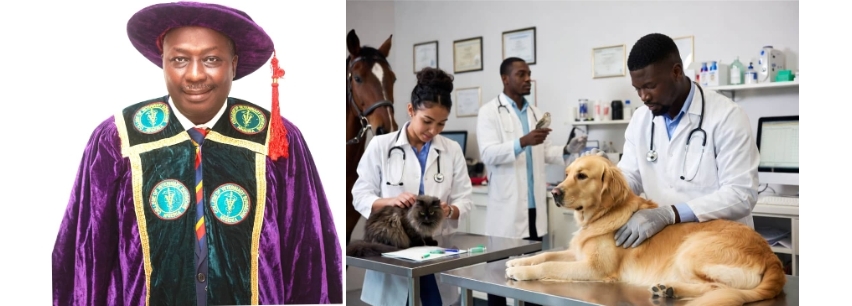
The Veterinary Council of Nigeria (VCN), the country’s statutory regulator of veterinary practice, is playing a far bigger role in national development than many Nigerians realise. Beyond licensing veterinary doctors and regulating the profession, the Council is helping to protect food security, strengthen public health, attract investment and support millions of livelihoods that depend on livestock.
Nigeria’s livestock industry remains one of the largest employers within the agricultural sector. From cattle and poultry to sheep, goats and fisheries, millions of farmers rely on healthy animals for income and survival. But without qualified veterinary professionals and effective regulation, disease outbreaks can wipe out entire herds, threaten food supplies and inflict huge economic losses.
This is where the Veterinary Council of Nigeria becomes indispensable.
Established under the Veterinary Surgeons Act, the Council ensures that veterinary practice is carried out only by qualified professionals who meet established ethical and professional standards. It also regulates veterinary education, licenses veterinary premises and promotes continuous professional development across the sector.
The economic impact of these responsibilities is enormous.
Healthy livestock means increased productivity, better-quality meat, milk and eggs, improved incomes for farmers and a more resilient agricultural economy. It also means fewer losses from preventable animal diseases that continue to affect livestock production across many parts of the country.
The Council’s work is equally important in protecting public health. Diseases such as rabies, anthrax and avian influenza can spread from animals to humans if not properly managed. By promoting high veterinary standards and supporting disease surveillance, the Council contributes to preventing outbreaks that could pose serious health and economic consequences.
Food safety is another area where veterinary regulation makes a difference. Consumers expect safe animal products, while international markets demand strict compliance with veterinary and sanitary standards. Effective regulation therefore strengthens Nigeria’s chances of expanding agricultural exports while protecting local consumers.
Beyond its regulatory responsibilities, the Veterinary Council of Nigeria continues to invest in the professional development of veterinary practitioners, ensuring they remain equipped to tackle emerging diseases, adopt new technologies and respond to evolving challenges within the livestock sector.
This commitment also boosts investor confidence. A well-regulated veterinary profession creates a more predictable environment for investments in livestock production, veterinary pharmaceuticals, animal feed manufacturing and other agricultural value chains that generate jobs and stimulate economic activity.
For rural communities, where livestock often serves as both a source of food and financial security, the benefits are even more direct. Protecting animal health helps families safeguard their incomes, improve nutrition and build resilience against poverty.
As Nigeria continues to pursue economic diversification, institutions like the Veterinary Council of Nigeria deserve greater recognition for the critical role they play behind the scenes. Their work goes beyond regulating a profession it strengthens agriculture, protects public health, supports food security and contributes to national economic growth.
The path to a stronger economy is not built solely on infrastructure or investment. It also depends on strong institutions that safeguard national assets and ensure professional excellence. By promoting quality veterinary regulation, the Veterinary Council of Nigeria is helping to lay that foundation for a healthier, safer and more prosperous Nigeria.