International Widows’ Day: FG Reaffirms Commitment to Justice, Dignity, Economic Empowerment for Widows
Oru Leonard
ABUJA – The Federal Government has reaffirmed its commitment to protecting the rights of widows and expanding opportunities for their economic empowerment, as Nigeria joined the global community to commemorate the 2026 International Widows’ Day.
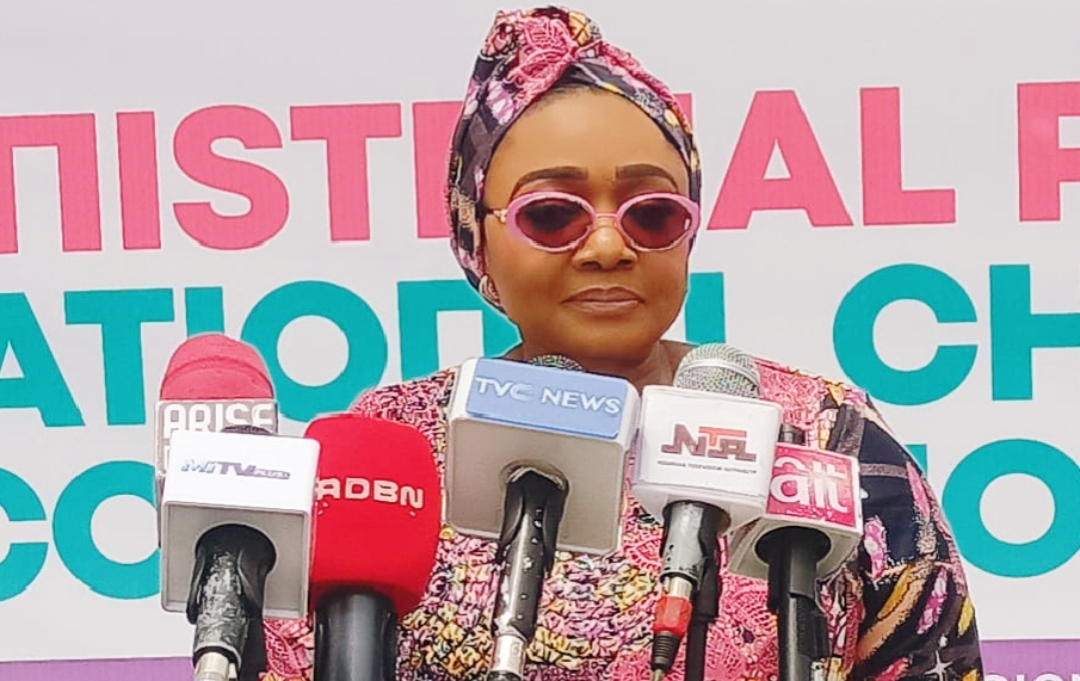
In a statement marking the occasion, the Minister of Women Affairs and Social Development, Hon. Imaan Sulaiman-Ibrahim, said the theme of this year’s celebration, “Justice, Dignity and Economic Power for Widows,” underscores the need for deliberate and transformative actions to address the challenges faced by widows across the country.
The minister described widows as vital contributors to family stability, community development, and national progress, noting that their resilience in the face of loss deserves greater institutional support.
According to her, Nigeria is home to more than two million widows, many of whom shoulder the responsibilities of caregiving and breadwinning under difficult socio-economic conditions.
She lamented that widowhood often exposes women to poverty, discrimination, loss of inheritance, social exclusion, and harmful traditional practices, including property grabbing, forced remarriage, degrading mourning rites, and accusations linked to the death of spouses.
Sulaiman-Ibrahim stressed that such practices are criminal and prohibited under the Violence Against Persons (Prohibition) Act, 2015, which prescribes penalties for offenders.
“Widowhood should never become a sentence to poverty, exclusion, discrimination, or despair. Government will continue to enforce legal protections and strengthen public awareness so that no widow suffers in silence,” she said.
The minister highlighted the administration’s efforts under President Bola Ahmed Tinubu’s Renewed Hope Agenda to strengthen social protection systems and improve the welfare of vulnerable groups, including widows.
She noted that 2026 has been designated as the Year of Families and Social Development, reflecting the government’s recognition of the family as the foundation of national stability and widows as indispensable pillars within that structure.
Sulaiman-Ibrahim said the Ministry’s Renewed Hope Social Impact Intervention (RHSII-774) is being implemented across all 774 local government areas to deliver empowerment, protection, and economic opportunities to vulnerable women and families.
She disclosed that in 2025, the ministry partnered with Helpline Support for the Needy to enrol 17 clusters of widows into the National Health Insurance Scheme, while each cluster received grants of ₦500,000 to support cooperative enterprises and livelihood initiatives.
According to her, many beneficiaries have improved their incomes and embraced modern backyard farming, contributing to household food security and economic resilience.
The minister further revealed that thousands of widows nationwide have benefited from vocational training, entrepreneurship support, digital skills development, agricultural assistance, financial inclusion programmes, and psychosocial support initiatives.
She said the interventions are helping widows transition from vulnerability to productivity and from dependence to economic participation.
Sulaiman-Ibrahim also linked the commemoration to the Ministry’s National Women Mega Empowerment and Rally initiative, themed “The Power of 10 Million: One Voice. One Movement. One Choice,” which seeks to mobilise women, including widows, for greater inclusion and national development.
She called on traditional rulers, religious leaders, governments, development partners, civil society organisations, and the private sector to intensify efforts to eliminate harmful widowhood practices and strengthen economic and legal protections for widows.
The minister assured widows across the country that they remain valued and supported, reiterating the government’s resolve to build a society where widowhood does not translate into vulnerability but becomes a pathway to resilience, dignity, and economic empowerment.