UNODC Unveils Ambitious 2026–2030 Country Programme to Tackle Crime, Corruption, Terrorism in Nigeria, Commends Gen Marwa for effective Leadership
Oru Leonard
ABUJA — The United Nations Office on Drugs and Crime has announced plans to roll out a comprehensive five-year Country Programme aimed at addressing Nigeria’s evolving challenges in crime, corruption, drug trafficking, and terrorism.
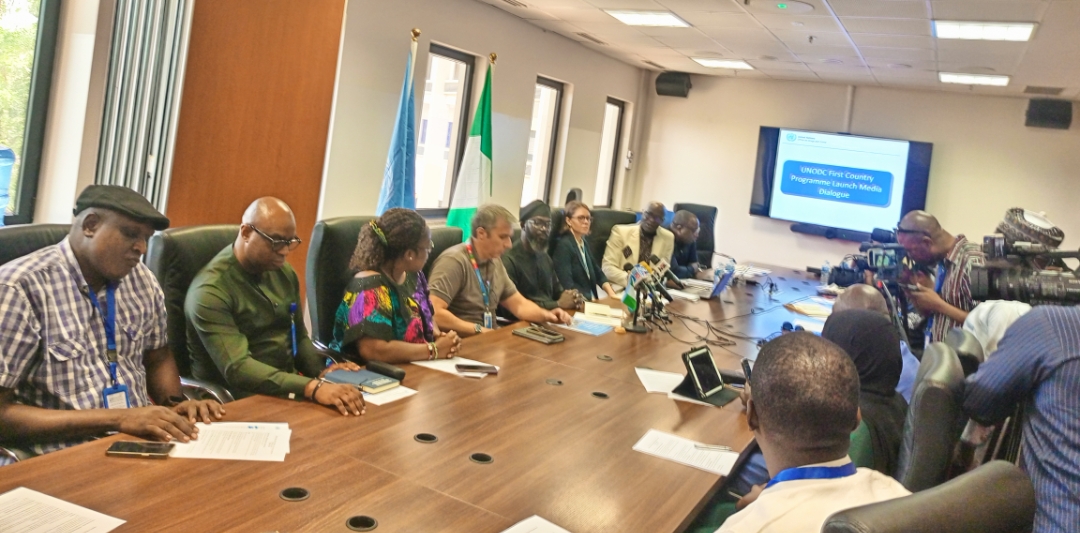
Speaking at a media dialogue held Tuesday at the UN House in Abuja, the UNODC Country Representative, Cheikh Toure, described Nigeria as a nation at a “critical moment,” balancing vast potential with complex security and governance threats.
Toure commended the Nigerian media for its sustained partnership with UNODC, noting that journalists have played a vital role in amplifying key issues, shaping public discourse, and holding institutions accountable.
He said the new Country Programme (2026–2030) represents a strategic shift in response to increasingly sophisticated criminal networks, rapid technological changes, and evolving global development dynamics.
“This calls for a more coordinated, adaptive, and forward-looking approach,” he said, adding that the initiative is the first of its kind in Nigeria and reflects a commitment to deeper collaboration under the theme “Farther Together.”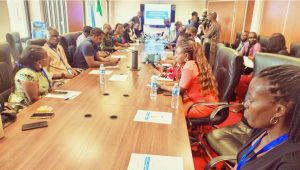
The programme is structured around four key pillars, including justice and rule of law, security and counter-terrorism, anti-corruption and governance, and the protection of vulnerable groups.
According to Toure, the framework is aligned with Nigeria’s national priorities, the African Union’s African Union Agenda 2063, and the United Nations Sustainable Development Goals, while also incorporating a rights-based, gender-sensitive, and inclusive approach.
He outlined five strategic outcomes of the programme, which include strengthening criminal justice systems, combating corruption and illicit financial flows, enhancing security and counter-terrorism efforts, tackling organized crime, and improving responses to drug-related challenges and public health concerns.
Toure emphasized that the programme adopts an integrated model, combining legal, social, economic, and security interventions, rather than isolated actions. He added that it was co-designed with national and local stakeholders to ensure relevance, ownership, and long-term sustainability.
He also highlighted emerging threats identified during the programme’s development, such as cybercrime, environmental crimes, risks affecting children, and gaps in justice and law enforcement systems.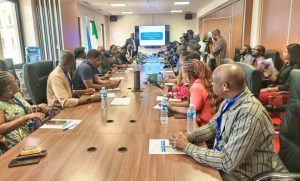
Despite the challenges ahead, Toure expressed confidence in the strength of existing partnerships and the commitment of stakeholders to drive meaningful change.
He particularly commended the National Drug Law Enforcement Agency (NDLEA), under the leadership of the Chairman, Brig Gen Buwa Marwa (rtd), for effectively implementing programs on alternative to Cannabis farming.
The Media and other stakeholders raised issues of justice and rehabilitation for victims of terrorism attacks, just as derecalization process is on.
He said his greatest wish is to have a resource center in Nigeria which will galvanize all the efforts being made by very relevant groups and government to provide solution that are targeted.
The UNODC Country Programme is scheduled for official launch next week, 27th March 2026, with expectations that it will deepen collaboration between the government, development partners, and the media in promoting security, justice, and sustainable development in Nigeria.