Nigeria Rallies Stakeholders to Advance Eco and Domestic Tourism at Fourth National Conference
Maryam Aminu
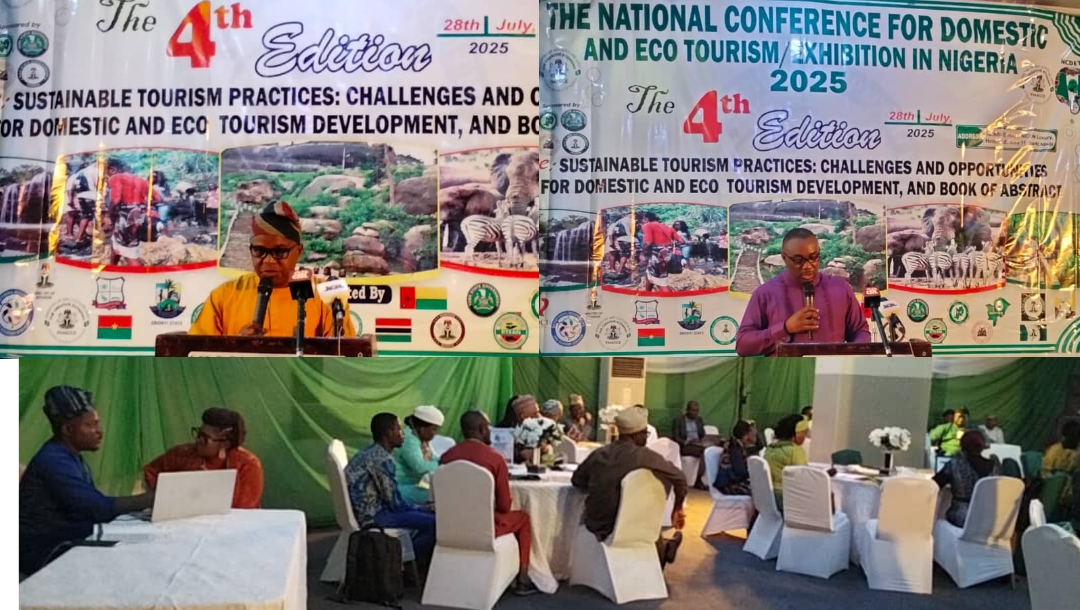
In a spirited push to elevate sustainable tourism as a catalyst for national development, Everything Hospitality and Tourism Services hosted the Fourth National Conference for Domestic and Eco-Tourism and Exhibition in Abuja on Monday, July 28, 2025. The event convened policymakers, tourism professionals, academics, and community leaders from across the country to discuss the theme: “Sustainable Tourism Practices: Challenges and Opportunities for Domestic and Eco-Tourism Development.”
Representing the Honourable Minister of Arts, Culture, Tourism and Creative Economy, Barrister Hannatu Musa Musawa, was Mr. Sunday Bisong, Acting Director of Domestic Tourism, who delivered the keynote address. In his remarks, he highlighted the Federal Government’s renewed focus on repositioning tourism as a key pillar of economic recovery and national integration under President Bola Ahmed Tinubu’s “Renewed Hope” Agenda.
He acknowledged the persistent challenges limiting the sector’s growth including inadequate financing, poor infrastructure, and weak management but assured stakeholders of the ministry’s unwavering commitment to change.
Mr. Bisong noted that the Ministry has begun implementing a National Tourism Master Plan, which outlines actionable strategies for sustainable development, job creation, cultural preservation, and innovation.
“Tourism, when properly managed, has the power to accelerate economic diversification, foster cultural exchange, and unite our diverse communities,” Mr. Bisong emphasized.
“We are creating an enabling environment through policy reforms, capacity building, and infrastructure to make Nigeria a global destination of choice.”
He called for increased public-private partnerships, regional collaborations, and adoption of digital tools to modernize the sector, urging all stakeholders to seize the opportunity to shape a sustainable tourism future.
In his address, Chief Dr. Obinna Ugochukwu Alexander Onyeocha, convener of the conference, offered a powerful reflection on tourism as more than a leisure activity but as a transformative vehicle for economic resilience, cultural identity, and environmental preservation.
“Tourism is a bridge between our past and future connecting communities, preserving culture, and fostering shared prosperity,” Dr. Onyeocha stated.
He emphasized the strategic importance of shifting Nigeria’s focus toward domestic tourism, noting that local destinations such as the artisans in Jos, eco-lodges in Cross River, cultural festivals in Osun, and wildlife parks in Gashaka Gumti possess immense potential to drive inclusive growth if properly harnessed.
Dr. Onyeocha stressed that eco-tourism must be approached not just as a business model, but as a philosophy of respect for ecosystems, upliftment of indigenous communities, and conservation of natural heritage.
He acknowledged the real challenges facing the sector, such as infrastructure deficits and lack of coherent policies, but underscored that these obstacles also offer fertile ground for innovative solutions, policy reforms, and stakeholder collaboration.
He called for bold leadership, grassroots inclusion, and digital transformation as essential drivers in advancing tourism in a way that does not compromise environmental integrity or community values. “This conference is a clarion call,” he said, “for policymakers, investors, tour operators, conservationists, and students to rise, collaborate, and implement ideas that will define Nigeria’s tourism identity. Our goal is clear: a tourism sector that celebrates heritage, generates jobs, and safeguards our future.”
The first paper, presented by Dr. Adedayo L.O. and Prof. Afolabi F.I. of Yaba College of Technology, focused on “Digital Innovation in Sustainable Tourism.” The study examined how tools such as virtual tours, mobile applications, and data analytics can promote eco-friendly destinations in Lagos State. Drawing comparative lessons from Dubai, the presenters emphasized the need for strong digital infrastructure and policy alignment to achieve similar success in Nigeria.
A second paper, by Dr. Mirikwe Uribiara Victoria and Dr. Chukwuemeka Oyinyechi Esther, explored how eco-tourism exhibitions can serve as platforms for public engagement, cultural expression, and sustainable development. They noted challenges such as limited funding and infrastructure, but highlighted significant prospects in job creation, community empowerment, and national image-building.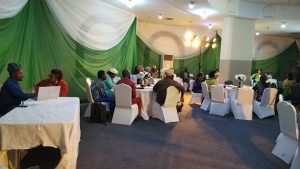
A third paper by Olowookere Ayodele et al. addressed the “Environmental Conscious Behaviors of Tourists” and their implications for Africa’s eco-tourism destinations. It called for educational campaigns and policy interventions to encourage responsible behavior among tourists and destination managers alike.
Demonstrating a shared national commitment, representatives from Abia, Ebonyi, Enugu, and Yobe States outlined their local strategies to promote eco-tourism and heritage conservation.
Senator Ireti Heeba Kingibe, representing the FCT, called for integrated approaches and renewed investments in tourism, while delegates from Edo State’s Ministry of Arts, Culture and Tourism, and professional bodies such as the Institute of Tourism Professionals Nigeria (ITPN), and Nigerian Association of Tour Operators and Guides (NATOP), expressed support for reform, professionalization, and deeper industry-government collaboration.
Their messages reinforced the conference’s overarching vision: tourism must not only entertain, but educate, empower, and sustain.
In recognition of outstanding contributions to Nigeria’s tourism sector, awards were presented to governors, thought leaders, and industry champions for their innovative practices and policy leadership. The honors served as a reminder that sustainable tourism is built on committed action and visionary leadership.