INEC Chairman Charges Broadcasters on Fair Coverage as BON Hosts 81st General Assembly
Oru Leonard
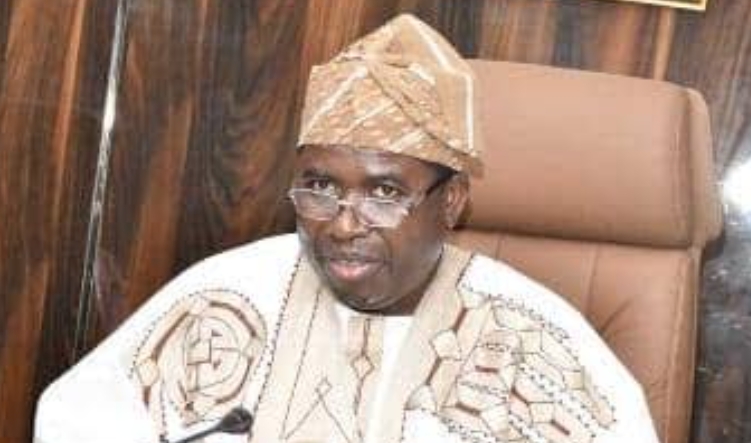
Abuja — The Chairman of the Independent National Electoral Commission (INEC) has called on broadcast media organisations to uphold fairness, professionalism, and accuracy in election coverage, warning that the integrity of Nigeria’s democracy increasingly depends on how the “airwaves” are managed.
Delivering a keynote presentation at the 81st General Assembly of the Broadcasting Organisations of Nigeria (BON), the INEC Chairman described the information space as a decisive battleground in modern elections, where public perception can shape electoral outcomes as much as the ballot itself.
He commended BON member stations for their performance during the Anambra 2025 and FCT 2026 elections, noting that their coverage strengthened public trust by effectively communicating electoral processes to Nigerians.
According to him, “the airwaves have become the primary infrastructure of our democracy,” stressing that while credible information enhances transparency, misinformation poses a serious threat to the sovereign will of the people.
The Chairman’s presentation, titled “The Management of the Airwaves: An Assessment of the Electoral Act 2026 on Broadcast Media Coverage of Elections,” provided a comprehensive review of the legal, institutional, and operational framework guiding political broadcasting in Nigeria.
He highlighted key provisions of the Electoral Act 2026, particularly those mandating equal access to broadcast platforms for all political parties and candidates. The law, he said, prohibits the use of state-owned media to favour any political interest and requires equitable airtime allocation, especially during prime hours.
The Act also criminalises hate speech, incitement, and the dissemination of false information in political broadcasts, while introducing a 24-hour media blackout before and on election day to allow voters make independent decisions without undue influence.
Despite these safeguards, the INEC Chairman identified major challenges undermining effective implementation, including weak enforcement, regulatory overlap between INEC and the National Broadcasting Commission (NBC), and the growing influence of money in determining access to airtime.
He further raised concerns over the dominance of incumbents in media coverage, the commercialisation of political advertising, and the rapid spread of misinformation across digital platforms, which continue to complicate electoral communication.
To address these issues, he advocated for legal, institutional, and industry reforms. These include clearer definitions of “equal access,” improved coordination between regulatory bodies, and stronger independence for oversight institutions.
The INEC boss also urged media organisations to strengthen internal editorial policies, invest in real-time fact-checking mechanisms, and ensure transparency in political advertising.
With less than a year to the 2027 general elections, he called for a strategic alliance involving INEC, BON, security agencies, and the judiciary to safeguard the credibility of the electoral process.
He issued three key directives to broadcast executives: prioritise fact-checking to combat misinformation, mobilise citizens for increased voter turnout, and uphold professionalism over financial gains from political advertising.
“The most dangerous weapon in the 2027 elections may not be violence, but misinformation amplified through uncritical broadcasting,” he warned.
The Chairman concluded by stressing that elections are no longer won solely at polling units but also within the information space, urging broadcasters to ensure that Nigeria’s airwaves remain a platform for truth, fairness, and democratic accountability.