FIBA Clears Sam Ahmedu for NBBF Board, Highlights Decades of Basketball Experience
Oru Leonard
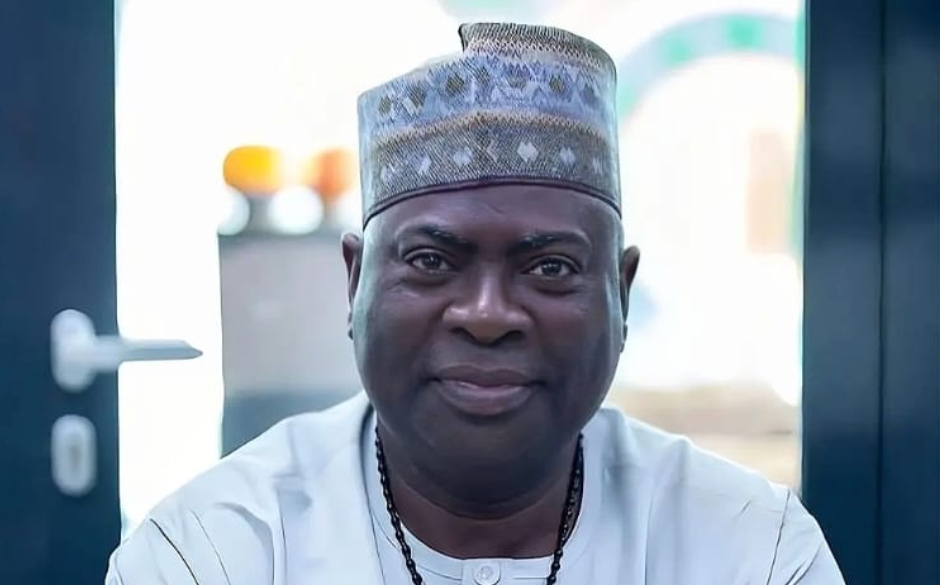
The International Basketball Federation (FIBA) has confirmed that retired Colonel Sam Ahmedu faces no regulatory impediment to serving on the Board of the Nigeria Basketball Federation (NBBF), drawing attention to his decades of experience in international basketball administration.
The confirmation was contained in a letter dated October 19, 2026, addressed to the NBBF President, Dr Abdullahi Mustapha, and signed by FIBA Secretary General, Andreas Zagklis.
According to the letter, Ahmedu has served on FIBA bodies since 1997, a record that places him among Nigeria’s most experienced representatives in the international basketball governing structure.
FIBA’s clarification comes against the backdrop of the NBBF elective congress held on October 15, 2026, which produced a new board for the 2026–2030 administration.
The development has renewed discussions about the place of experience, institutional continuity and international representation in the management of Nigerian basketball.
Ahmedu, who currently serves as President of FIBA Africa Zone 3, has spent decades contributing to the administration and development of basketball at the continental and international levels.
His supporters believe that his wealth of experience, established international relationships and knowledge of basketball governance could be valuable in advancing the interests of Nigerian basketball.
In its correspondence, FIBA congratulated Mustapha and the newly elected NBBF Board members, while expressing support for the federation’s commitment to good governance and electoral processes conducted in line with its constitution and applicable FIBA regulations.
The international governing body also acknowledged the contributions of the outgoing NBBF Board under the leadership of Engr. Ahmadu Musa Kida.
With FIBA now confirming that no regulatory restrictions prevent Ahmedu from serving on the NBBF Board, attention has shifted to how his experience and international standing could be harnessed to strengthen the country’s basketball administration.
Observers believe that maintaining a strong connection between Nigeria’s domestic basketball administration and the international game could support efforts to improve governance, talent development and the country’s competitiveness in international basketball.
Beyond the question of board membership, the development has highlighted the importance of preserving institutional knowledge and making effective use of the expertise accumulated by individuals who have represented Nigerian basketball over several decades.
FIBA’s position has clarified the regulatory question surrounding Ahmedu’s eligibility. The broader challenge for Nigerian basketball stakeholders is how to utilise available experience and international connections to advance the sport’s development.
Source: Maxwell Kumoye, Nigeria Basketball Network, October 20, 2026