Cardoso Urges Stronger African Regulatory Alliance to Manage Cross-Border Financial Risks
Oru Leonard
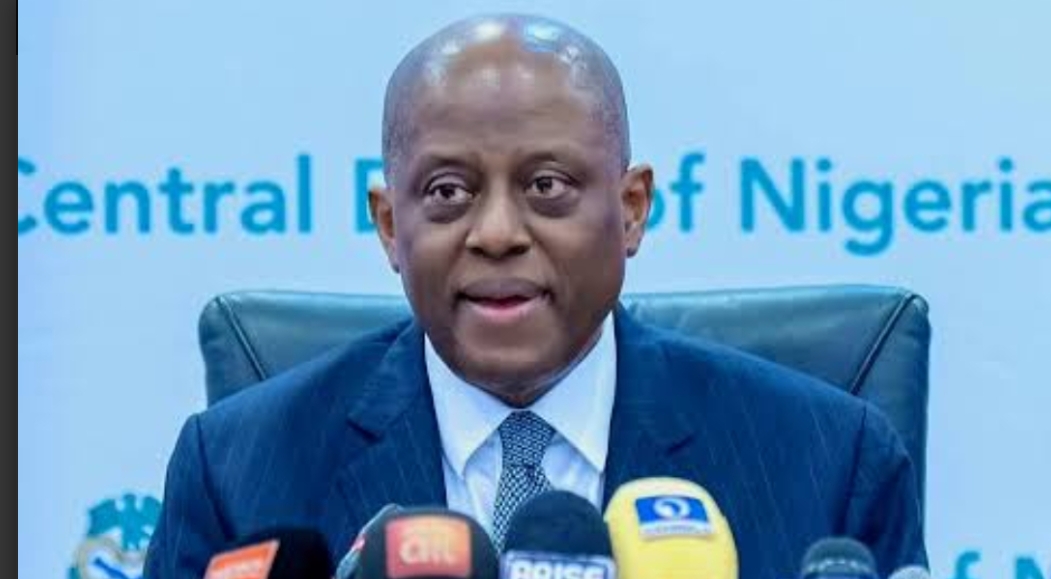
ABUJA – Governor of the Central Bank of Nigeria, Olayemi Cardoso, has called on African financial regulators to intensify collaboration in tackling cross-border risks, stressing that deeper cooperation is vital to sustaining financial stability across the continent.
Speaking at the 4th Annual IMF/AFRITAC West 2 High-Level Executive Forum for Financial Sector Regulation and Supervision held in Abuja, Cardoso noted that the growing interconnectivity of African financial systems demands a coordinated regulatory response.
He warned that regional financial integration is advancing faster than political coordination, urging regulators to adopt harmonised prudential frameworks tailored to Africa’s unique realities. According to him, such alignment would enable timely and collective responses to emerging risks while supporting inclusive economic growth.
Highlighting Nigeria’s proactive approach, Cardoso referenced the CBN’s 2024 Banking Sector Recapitalisation Programme, designed to strengthen the resilience of financial institutions. He said the initiative has not only reinforced Nigeria’s banking sector but also inspired similar reforms across the continent.
Despite economic headwinds, including subsidy removal and exchange rate adjustments, Nigerian banks attracted ₦4.61 trillion in fresh capital, with a significant portion sourced from foreign investors, while also expanding their presence across African markets.
Reaffirming the apex bank’s stance on governance, Cardoso declared zero tolerance for regulatory breaches, noting that the CBN has ended years of leniency to strengthen accountability and compliance within the sector.
He explained that restrictions have been placed on banking services for large-ticket obligors with non-performing loans, describing the move as critical to enforcing credit discipline, protecting depositors, and safeguarding financial system stability.
“Our position on corporate governance remains firm. We have tightened supervision, strengthened compliance standards, and reinforced accountability across the banking system,” he said.
On monetary policy, Cardoso reiterated the bank’s commitment to orthodox measures aimed at restoring price stability and reinforcing policy credibility through consistency and discipline.
He also underscored the growing influence of financial technology, noting that the CBN is actively working to balance innovation with regulatory oversight. He said ongoing reforms, including the Bank’s Fintech Policy Report, are focused on enhancing supervisory capacity in response to the rapidly evolving digital finance landscape.
Cardoso further described the forum as a critical platform for collaboration, knowledge-sharing, and coordinated action among African regulators, expressing optimism that stronger partnerships would position the continent’s financial systems as drivers of sustainable growth.
In his remarks, Ivohasina Fizara Razafimahefa, Director of IMF AFRITAC West 2, said the forum promotes open dialogue between the International Monetary Fund and national regulators, enabling the exchange of technical expertise and policy innovation.
He noted that this year’s discussions focused on emerging risks to financial stability, particularly those linked to digital finance, fintech growth, artificial intelligence, and climate-related challenges—areas requiring stronger regional coordination and forward-looking regulation.
The forum, which brought together senior officials including central bank deputy governors from six member countries, reaffirmed its commitment to collective action in addressing Africa’s evolving financial sector risks.
Photo Credit: Economic Times