As Amupitan Leads INEC Delegation to Bangladesh’s 13th Parliamentary Election
Oru Leonard
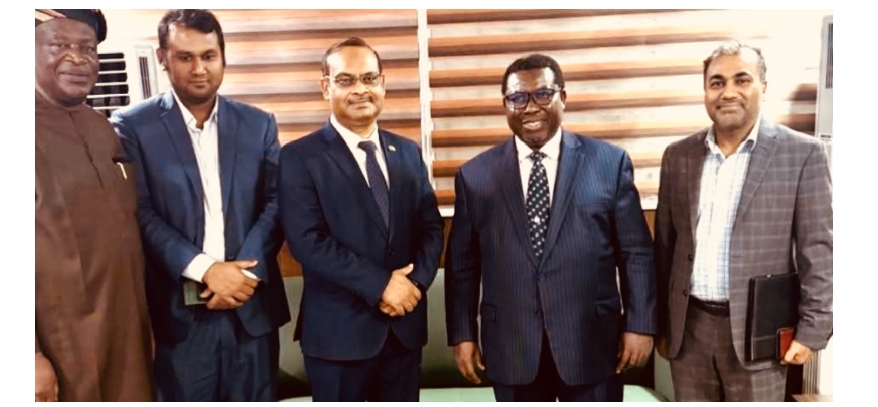
The High Commissioner of Bangladesh to Nigeria, H.E. Mr. Miah Md. Mainul Kabir, met with the Chairman of Nigeria’s Independent National Electoral Commission (INEC), Professor Joash Ojo Amupitan, on January 29, 2026. The meeting was to discuss Professor Amupitan’s visit to Bangladesh to observe the 13th Parliamentary Election and Referendum, scheduled for February 12, 2026.
Professor Amupitan accepted the invitation and will lead a five-member delegation to Bangladesh for the event. This visit highlights the strong ties between Nigeria and Bangladesh, especially in electoral cooperation.
Bangladesh is gearing up for its 13th national parliamentary election and a constitutional referendum on February 12, 2026. Here are some key points about the election:
– Election Schedule: Voting will take place from 7:30 a.m. to 4:30 p.m., with campaigning ending at 7:30 a.m. on February 10.
– Candidates: 1,981 candidates, including 288 from the Bangladesh Nationalist Party (BNP), 224 from Jamaat-e-Islami, and 32 as independents, are vying for 300 parliamentary seats.
– Referendum: A constitutional referendum on the July Charter will be held alongside the election, aiming to strengthen democratic institutions and balance state powers.
– International Observers: The Commonwealth will conduct an election observation mission, while other organizations like the EU and UN have been invited to observe to ensure credibility.
Addressing Security Concerns
There are concerns about potential violence and unrest, with reports of clashes between rival parties and activists. The Bangladeshi Government has implemented several security measures for the upcoming election on February 12, 2026. These include:
– Deployment of Security Personnel: Over 943,050 security personnel will be deployed nationwide, including 150,000 police officers, 100,000 army personnel, and 576,000 Ansar members.
– Border Security: The Border Guard Bangladesh (BGB) has intensified security measures along the country’s borders to prevent any disruptions.
– Surveillance: 25,500 body-worn cameras and 500 drones will be used to monitor polling stations, with special surveillance at high-risk centers.
– Transportation Restrictions: Restrictions on transportation will be imposed from February 10 to 12, with motorcycles banned from February 10.
These measures aim to ensure a peaceful, free, and fair election. Would you like to know more about the election schedule or the candidates contestin
The election is seen as a crucial step in Bangladesh’s democratic journey, with the potential to shape the country’s future.
Oru Leonard Oru (frpa, mnim), is the Managing Director/ CEO of Oru Medias and Integrated Global Resources Limited, Publisher/ Editor of News Dot Africa, An Alumni of VisitBangladesh. He is a regular visitor to the country with vast knowledge of Political, Economic and Business trend in Bangladesh.
WhatsApp: +234 8022426520