
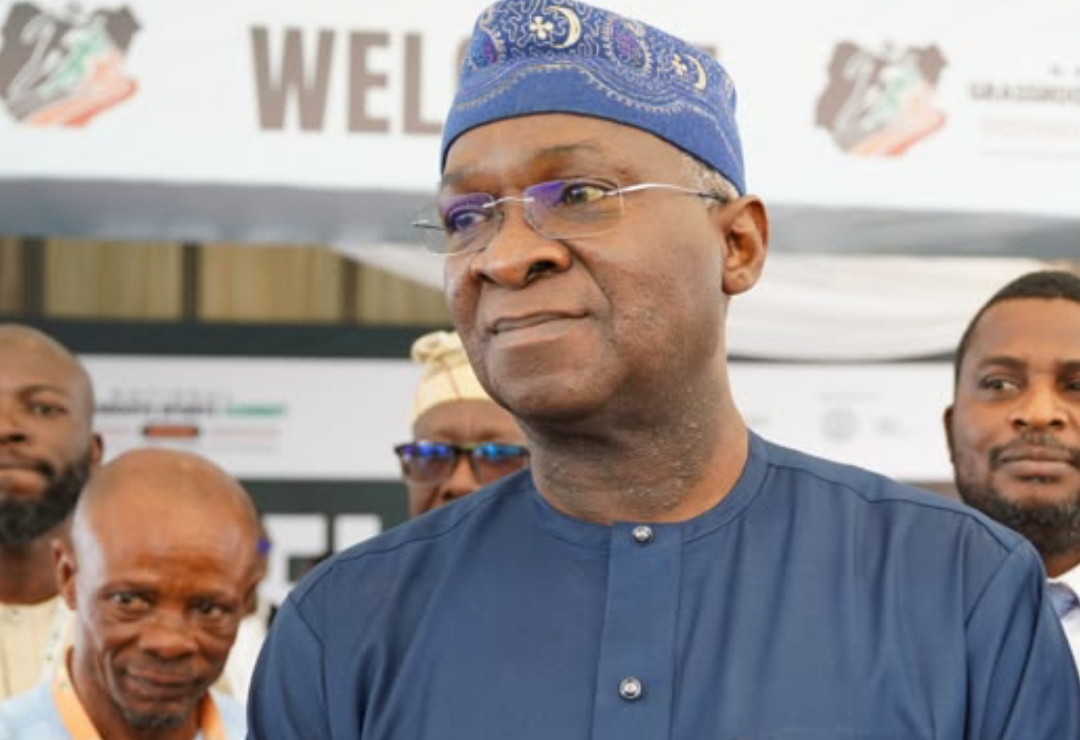
Fashola Urges End to National Sports Festival Postponements, Calls for Stable Sports Calendar
Oru Leonard
Former Lagos State Governor, Babatunde Fashola, has called for an end to the repeated postponement of the National Sports Festival, insisting that the country must establish a predictable and sustainable sports calendar to accelerate the development of the sector.
Fashola made the call on Thursday while delivering the keynote address at the National Grassroots Sports Summit held at the State House, Abuja.
He stressed that effective sports development requires proper planning, consistency and institutional discipline, noting that competitions must take place as scheduled to give athletes and other stakeholders the confidence to prepare adequately.
According to him, a structured national sports calendar is critical to the growth of Nigerian sports, as it enables athletes, coaches, sports federations, government institutions and corporate sponsors to plan their activities ahead of major competitions.
He warned that frequent postponement of sporting events disrupts athletes’ training programmes, affects administrative planning and weakens sponsorship commitments, thereby slowing the growth of the country’s sporting ecosystem.
Fashola maintained that the National Sports Festival, being one of Nigeria’s foremost platforms for identifying and nurturing sporting talents, deserves a permanent and respected place on the nation’s sporting calendar.
He noted that beyond promoting competition among states, the festival plays a significant role in discovering young athletes capable of representing Nigeria at continental and international sporting events.
The former governor also underscored the importance of calendar stability in attracting private-sector investment into sports, explaining that sponsors and potential investors are more likely to commit resources when event dates and organisational arrangements are predictable.
He argued that Nigeria’s ambition to attain greater prominence in international sports would remain difficult to achieve without sustained investment, effective administration, continuity and accountability.
Fashola’s position reinforces the need for sports authorities and policymakers to move beyond occasional competitions and adopt a more disciplined approach to sports management.
He maintained that respecting established competition schedules should become a fundamental responsibility of sports administrators if Nigeria is to build a sustainable grassroots sports development system and create opportunities for athletes to excel.


