Abdullahi Emerges NBBF President, Udezue Elected Vice President
Oru Leonard
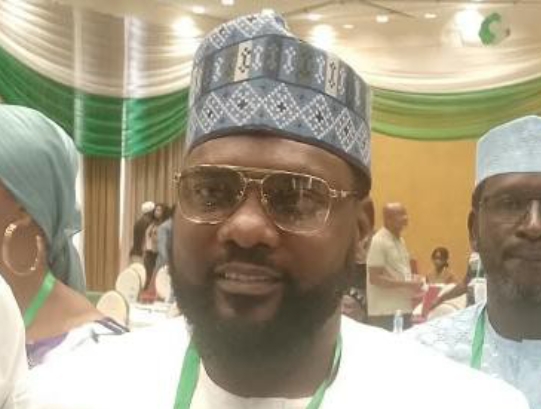
Dr Mustapha Abdullahi has emerged as the new President of the Nigeria Basketball Federation (NBBF), following an election in which he was widely favoured to lead the country’s basketball governing body.
Abdullahi’s emergence was largely unopposed, as most of the other contenders were either disqualified or withdrew from the race for various reasons, paving the way for his election.
His emergence marks a new chapter for Nigerian basketball, with expectations mounting that the new leadership will prioritise the development of the sport, strengthen domestic competitions and improve Nigeria’s competitiveness in international basketball.
Also elected was Ugo Udezue, who secured the position of Vice President of the federation. Udezue had earlier been re-elected to represent the South-East geopolitical zone on the NBBF board, reinforcing his position within the federation’s leadership structure.
The composition of the new board also reflects representation across Nigeria’s six geopolitical zones, an arrangement expected to promote broader consultation and coordinated efforts towards advancing basketball development nationwide.
The other zonal representatives elected to the board are Fubara Fobika, representing the South-South; Babatunde Oguntade, South-West; Yusuf Surajo, North-East; Abubakar Abba Kaka, North-West; and Abdullahi Mustafa, North-Central.
Their inclusion is expected to provide regional perspectives on the challenges confronting the sport and contribute to the formulation of policies aimed at expanding basketball participation and improving talent development across the country.
With the new leadership now in place, attention is expected to shift towards the priorities and programmes that will define the administration.
Among the critical issues facing the federation are grassroots development, improved basketball infrastructure, stronger domestic leagues, effective talent identification and the welfare of players, coaches and officials.
There are also expectations that the new administration will work towards creating a more sustainable structure for Nigerian basketball by attracting private-sector investment, strengthening partnerships with corporate organisations and improving the management of competitions at different levels.
Nigeria has continued to produce basketball talents who have represented the country in international competitions. However, sustaining that progress requires deliberate investment in youth development, coaching education, facilities and a well-organised domestic basketball system.
The new board will therefore be expected to build on existing achievements while addressing institutional and operational challenges that could hinder the growth of the game.
Equally important will be the need to strengthen relationships with state basketball associations, clubs, schools and other stakeholders to ensure that development programmes reach aspiring players beyond the major basketball centres.
Abdullahi’s administration will also face expectations to promote transparency, accountability and inclusive decision-making in the federation’s affairs.
Although the election has settled the question of leadership, the effectiveness of the new administration will ultimately be measured by its ability to translate its mandate into tangible improvements in the sport.
For Nigerian basketball stakeholders, the emergence of Abdullahi and the election of the new board present an opportunity to renew efforts towards building a stronger domestic structure and restoring sustained momentum for the game at the international level.
The coming months are expected to provide a clearer indication of the federation’s direction under the new leadership, particularly in the areas of competition management, grassroots participation and preparations for future international engagements.