
Nigeria’s Conservation Renaissance: How Dr. Ibrahim Goni Is Reshaping the National Park Service
Oru Leonard
As Nigeria reflects on 66 years of independence, the country’s natural heritage deserves a prominent place in the national conversation. Beyond its economic resources, cultural diversity and human capital, Nigeria possesses an invaluable ecological inheritance comprising forests, wetlands, savannahs, mountains and diverse wildlife.
Protecting these resources is not merely an environmental responsibility; it is essential to national security, economic development and the well-being of future generations.
At the centre of this responsibility is the National Park Service (NPS), which, under the leadership of its Conservator-General, Dr. Ibrahim Musa Goni, has pursued a series of reforms aimed at strengthening conservation, modernising wildlife protection and expanding the economic and social value of Nigeria’s protected areas.
Since his appointment in April 2017 and subsequent reappointment in May 2022, Dr. Goni has advanced an approach that recognises conservation as more than the preservation of forests and animals. It is also about protecting communities, promoting sustainable tourism, improving institutional capacity and ensuring that Nigeria’s natural resources remain available to future generations.
The results of this approach can be examined through the Service’s expansion, improved enforcement mechanisms, community engagement programmes, wildlife recovery initiatives and infrastructure development.
Expanding Nigeria’s Conservation Frontiers
One of the most significant developments associated with Dr. Goni’s leadership has been the expansion of Nigeria’s national park network.
In 2020, the Federal Government approved the establishment of 10 additional national parks, increasing the number from seven to 17. The development represented a major expansion of the country’s protected-area system and strengthened the institutional framework for safeguarding biodiversity across different ecological zones.
The additional parks included Allawa, Apoi, Edumenum, Galgore, Hadejia-Nguru-Bade, Kogo, Kampe, Marhai, Oba Hills and Pandam.
This expansion increased the geographical reach of the National Park Service and created opportunities for broader conservation interventions across the country.
In 2024, the Service also moved to strengthen the operational management of Hadejia Wetlands National Park in Jigawa State, Oba Hills National Park in Osun State and Marhai National Park in Nasarawa State.
These developments demonstrate the importance of sustained government commitment to conservation. However, the long-term value of expanding protected areas will depend on adequate funding, effective management, professional staffing and the cooperation of surrounding communities.
The ultimate objective must be to ensure that national parks function not merely as designated geographical areas but as effective centres of biodiversity protection, environmental research and sustainable economic activity.
Technology and Intelligence-Driven Wildlife Protection
Wildlife conservation in the modern era requires more than physical patrols. It demands intelligence, technological innovation, reliable information and the capacity to respond quickly to environmental threats.
Under Dr. Goni, the National Park Service has pursued a more technology-driven approach to park protection, incorporating tools such as drones, the Spatial Monitoring and Reporting Tool (SMART), power chutes and GSM-based tracking systems to strengthen surveillance and field operations.
These technologies can improve the monitoring of remote locations, help rangers identify illegal activities and support more informed deployment of personnel.
The importance of these measures is reflected in the enforcement figures reported by the Service for 2024, when it recorded 621 arrests for wildlife-related offences, 466 successful prosecutions and 94 formal warnings.
These figures point to increased enforcement activity and demonstrate the importance of strengthening the legal and operational mechanisms used to combat poaching, illegal logging and other threats to protected areas.
Nevertheless, enforcement must remain part of a broader conservation strategy. Effective wildlife protection also requires reliable intelligence, judicial cooperation, public awareness and economic alternatives for communities whose livelihoods may otherwise depend on illegal exploitation of natural resources.
The reported collaboration with international partners, including the United Nations Office on Drugs and Crime and the United States Consulate, further illustrates the value of partnerships in addressing environmental crimes.
Building a More Professional Ranger Force
No conservation system can succeed without trained, motivated and adequately equipped personnel.
Park rangers operate in challenging environments where they are expected to protect wildlife, monitor forest activities, enforce conservation regulations and sometimes confront security threats.
Recognising these demands, the National Park Service has prioritised capacity development and professional training.
In 2024, 100 park rangers received training in tactical operations and counterterrorism in collaboration with the Nigerian Army. In addition, 30 Federal Capital Territory Forest Guards underwent training in forest conservation.
Such initiatives are important in strengthening operational preparedness and improving the capacity of personnel to respond to threats within protected areas.
The election of Assistant Conservator of Parks Mohammed Dikko Bala as Africa’s Regional Representative on the Executive of the International Ranger Federation also represents an opportunity to strengthen Nigeria’s participation in international conservation discussions.
Beyond training, however, sustained investment in ranger welfare, equipment, insurance, field accommodation and career development will be necessary to maintain professional standards and operational effectiveness.
Conservation Must Benefit Local Communities
A major lesson in environmental management is that conservation becomes difficult to sustain when communities living around protected areas feel excluded from their benefits.
For this reason, community participation has become an important element of the National Park Service’s conservation approach.
Under Dr. Goni’s leadership, the Service has promoted Support Zone Community programmes designed to encourage alternative livelihoods, reduce conflicts and strengthen relationships between park authorities and neighbouring settlements.
This approach recognises that local communities are not simply inhabitants of areas surrounding protected forests. They are important stakeholders whose cooperation can determine whether conservation initiatives succeed or fail.
Environmental education has also received attention, with conservation clubs reportedly established in more than 238 schools across communities surrounding national parks.
Through such programmes, children and young people can develop a better understanding of biodiversity, wildlife protection and the long-term consequences of environmental degradation.
The benefits of these initiatives could extend beyond the classroom, encouraging a generation that views conservation as a shared responsibility rather than an exclusively governmental duty.
For these programmes to achieve lasting results, community participation must translate into tangible benefits, including employment opportunities, skills acquisition, improved livelihoods and meaningful involvement in decisions affecting local resources.
Restoring Degraded Landscapes and Protecting Endangered Species
Nigeria’s environmental challenges include deforestation, habitat degradation, biodiversity loss and the effects of climate change. Addressing these problems requires a combination of restoration, scientific research and long-term management.
The National Park Service has pursued restoration initiatives through the Federal Government’s Green Bond programme, with 161 hectares of degraded land reportedly replanted and maintained across national parks.
Although the scale of restoration must continue to grow to meet the country’s environmental needs, such efforts demonstrate the potential of targeted investment to support ecosystem recovery, create employment and strengthen the environmental value of protected landscapes.
The rehabilitation and release of 25 African Grey Parrots rescued from traffickers in Cross River National Park also represents an important conservation intervention.
The incident highlights the need for sustained action against illegal wildlife trafficking and the importance of rehabilitation programmes that give rescued animals an opportunity to return to their natural habitats where appropriate.
Such initiatives also reinforce Nigeria’s responsibilities under international frameworks governing the protection and trade of endangered species.
The broader challenge is to ensure that these interventions form part of a coordinated national strategy supported by scientific monitoring, effective law enforcement and cooperation among relevant government agencies.
A National Strategy for Elephant Conservation
Perhaps one of the most important policy developments highlighted during Dr. Goni’s tenure is the introduction of Nigeria’s National Elephant Action Plan for 2024–2034, developed in collaboration with the Elephant Protection Initiative.
The 10-year strategy provides a framework for addressing the threats facing Nigeria’s elephant populations, including habitat loss, poaching, fragmented migration corridors and conflicts between humans and wildlife.
For a country whose elephant population has suffered a severe decline over several decades, the importance of a structured conservation plan cannot be overstated.
The strategy offers an opportunity to strengthen population monitoring, improve habitat protection and develop practical responses to conflicts involving elephants and surrounding communities.
Its success, however, will depend on consistent implementation, reliable funding, scientific evidence and cooperation among conservation agencies, local communities and international partners.
A policy document becomes meaningful only when its objectives are translated into measurable improvements in wildlife populations and habitat conditions.
Research as a Foundation for Sustainable Conservation
Modern conservation increasingly depends on scientific research capable of explaining how ecosystems function and how human activities affect biodiversity.
The National Park Service has encouraged research at different academic levels, with PhD, master’s and bachelor’s degree studies reportedly taking place across its parks.
Research conducted in Cross River National Park, including doctoral work examining the relationship between foraging activities and tree-species composition in the Nigeria-Cameroon forest ecosystem, illustrates the importance of scientific inquiry in understanding ecological change.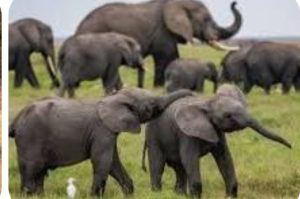
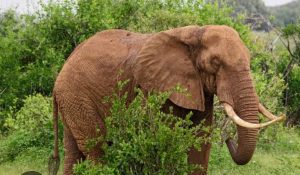
Such studies can help policymakers and conservation managers make better decisions about habitat protection, resource management and the relationship between human activities and environmental sustainability.
To maximise their value, research findings must be integrated into operational policies, park management plans and national conservation programmes.
Stronger collaboration between the Service, universities, research institutions and international conservation organisations would further improve the quality and practical application of conservation science in Nigeria.
Infrastructure and the Economic Value of National Parks
Conservation requires more than policies and personnel. It also depends on infrastructure that allows park authorities to protect ecosystems effectively while providing visitors with safe and responsible access to natural attractions.
Under Dr. Goni, the National Park Service has undertaken improvements to its headquarters, ranger accommodation, tourist facilities and access routes.
The reported renovation of the Service’s headquarters, construction and rehabilitation of ranger barracks, development of eco-chalets, demarcation of park boundaries and opening of jeep tracks represent important aspects of institutional renewal.
Properly maintained infrastructure can improve the working conditions of rangers, strengthen patrol coverage and make national parks more accessible to researchers, tourists and educational groups.
It can also support the development of ecotourism as a source of revenue and employment.
Nigeria’s national parks possess considerable potential to attract domestic and international visitors interested in wildlife, nature, outdoor recreation and environmental education.
Realising this potential will require continued investment in accommodation, roads, visitor safety, hospitality services and effective marketing. It will also require strict environmental safeguards to ensure that tourism does not undermine the ecosystems it is intended to celebrate.
The concept of a nature-based economy is therefore particularly relevant. When responsibly managed, national parks can contribute to rural employment, local enterprise development and the diversification of Nigeria’s economy.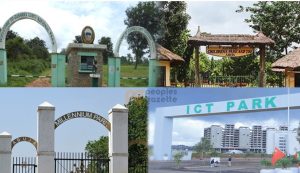
Conservation as a National Security Priority
The importance of the National Park Service extends beyond environmental protection.
Protected forests and remote natural landscapes can become difficult terrain for security agencies to monitor, particularly where illegal activities, criminal networks and unauthorised exploitation of natural resources occur.
Consequently, effective park management can contribute to broader security objectives through improved surveillance, intelligence sharing and cooperation among relevant agencies.
At the same time, the protection of forests and wetlands strengthens Nigeria’s resilience to climate-related pressures, supports water systems, safeguards wildlife habitats and helps preserve the natural resources on which communities depend.
These responsibilities make conservation an important component of national development planning.
Environmental protection should therefore receive sustained attention in government budgeting, security coordination, educational programmes and economic policy.
The Challenges That Remain
While the reported achievements under Dr. Goni’s leadership indicate progress in several areas, it is important to recognise that Nigeria’s conservation challenges remain substantial.
Expanding the number of national parks is only the beginning. Each park requires sufficient funding, qualified personnel, effective infrastructure and a management system capable of responding to changing environmental and security conditions.
Poaching, illegal logging, habitat loss, climate change and human-wildlife conflict remain concerns that demand sustained intervention.
There is also a need for transparent reporting of conservation outcomes. Beyond arrests, prosecutions and hectares restored, regular publication of data on wildlife populations, habitat conditions, revenue generation and community benefits would provide a clearer picture of the Service’s long-term performance.
Such accountability would strengthen public confidence, help policymakers identify gaps and ensure that conservation investments deliver measurable results.
The next phase of reform should therefore focus not only on maintaining existing achievements but also on improving the quality, transparency and sustainability of conservation management.
A Legacy That Must Be Sustained
As Nigeria marks another milestone in its national journey, the protection of its natural heritage deserves recognition as an essential part of nation-building.
The work undertaken by the National Park Service under Dr. Ibrahim Musa Goni highlights the role that institutional leadership, technological innovation, community participation and policy development can play in strengthening conservation.
The expansion of the park network, improved enforcement activities, ranger training, environmental education, restoration projects, elephant conservation planning and infrastructure development represent important areas of intervention.
Yet the true measure of success will ultimately be determined by the condition of Nigeria’s ecosystems, the survival of endangered species, the welfare of conservation personnel and the extent to which surrounding communities benefit from the protection of their natural environment.
As the country looks towards the future, conservation must be treated as a continuing national responsibility rather than the achievement of any single administration.
Dr. Goni’s tenure provides an opportunity to reflect on the progress made and the work that remains. Sustaining that progress will require political commitment, adequate financing, scientific research, international cooperation and the active participation of Nigerians at every level.
Nigeria’s forests, wetlands, savannahs and wildlife are not merely natural features on a map. They are part of the country’s heritage, environmental security and economic future.
Protecting them today is an investment in the Nigeria that future generations will inherit.